New Doors · Elmira
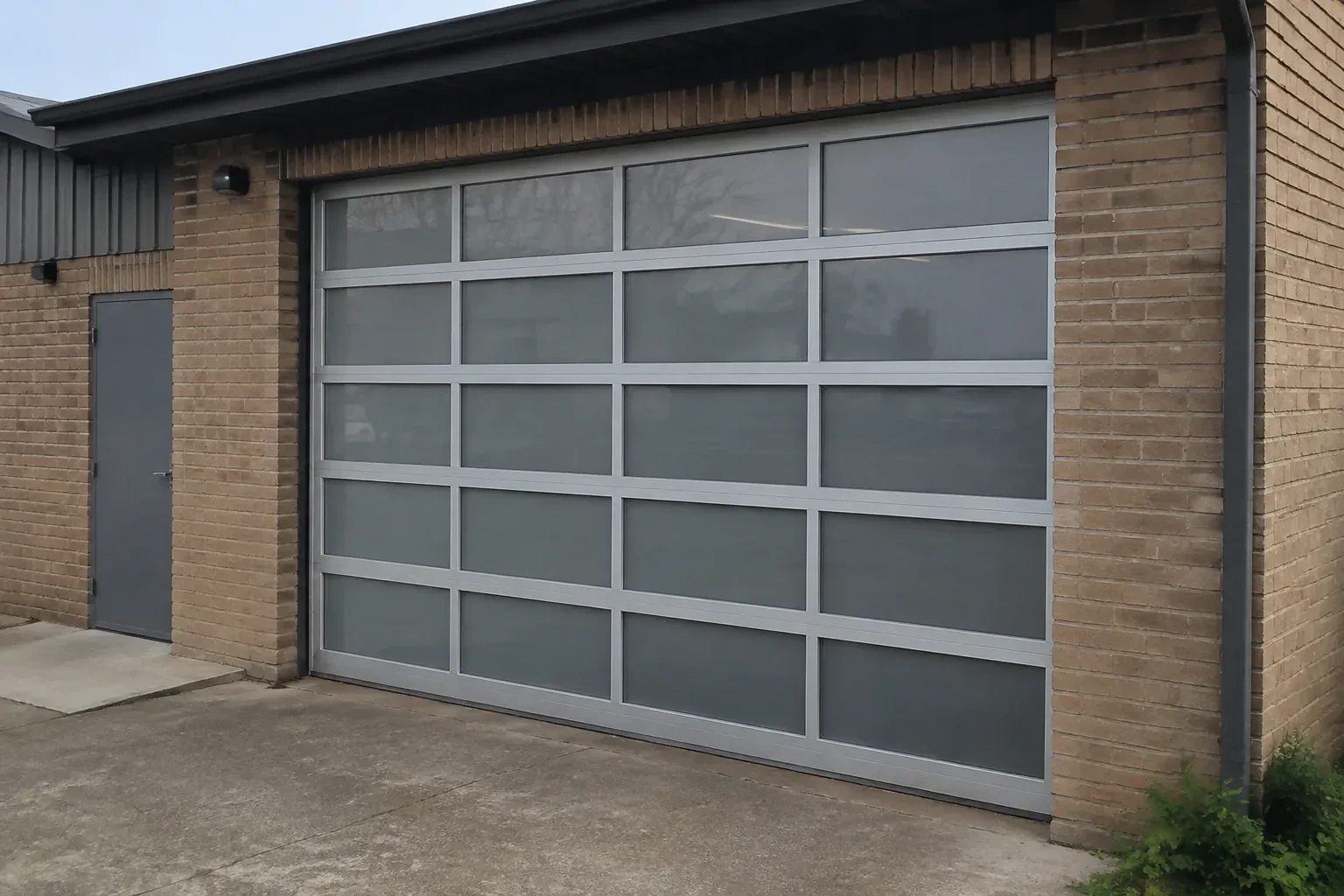
Full-View Glass Garage Door Installation in Elmira
Your workshop faces the driveway and needs a professional, welcoming frontage without putting tools on display.
In plain words
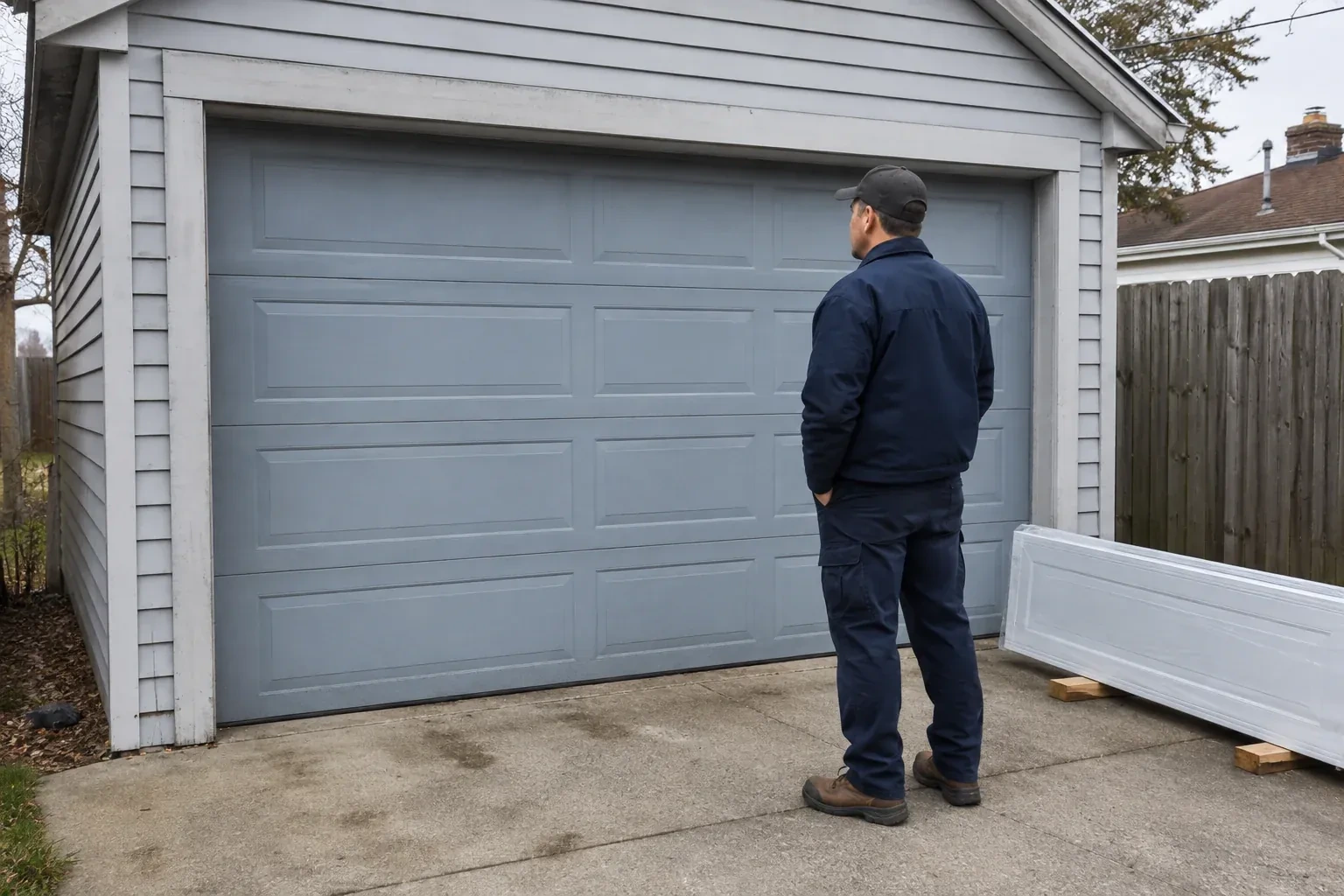
A glazed door can weigh and flex differently from the solid door it replaces, so the supporting hardware deserves equal attention. The installer verifies the ordered configuration, builds the specified track layout, places each protected section, connects hinges and rollers, and fits cables with the correct counterbalance equipment. Spring tension is set with the door secured, then manual movement is checked before powered operation begins. This careful sequence gives the new door controlled travel and helps the operator move a properly balanced load.
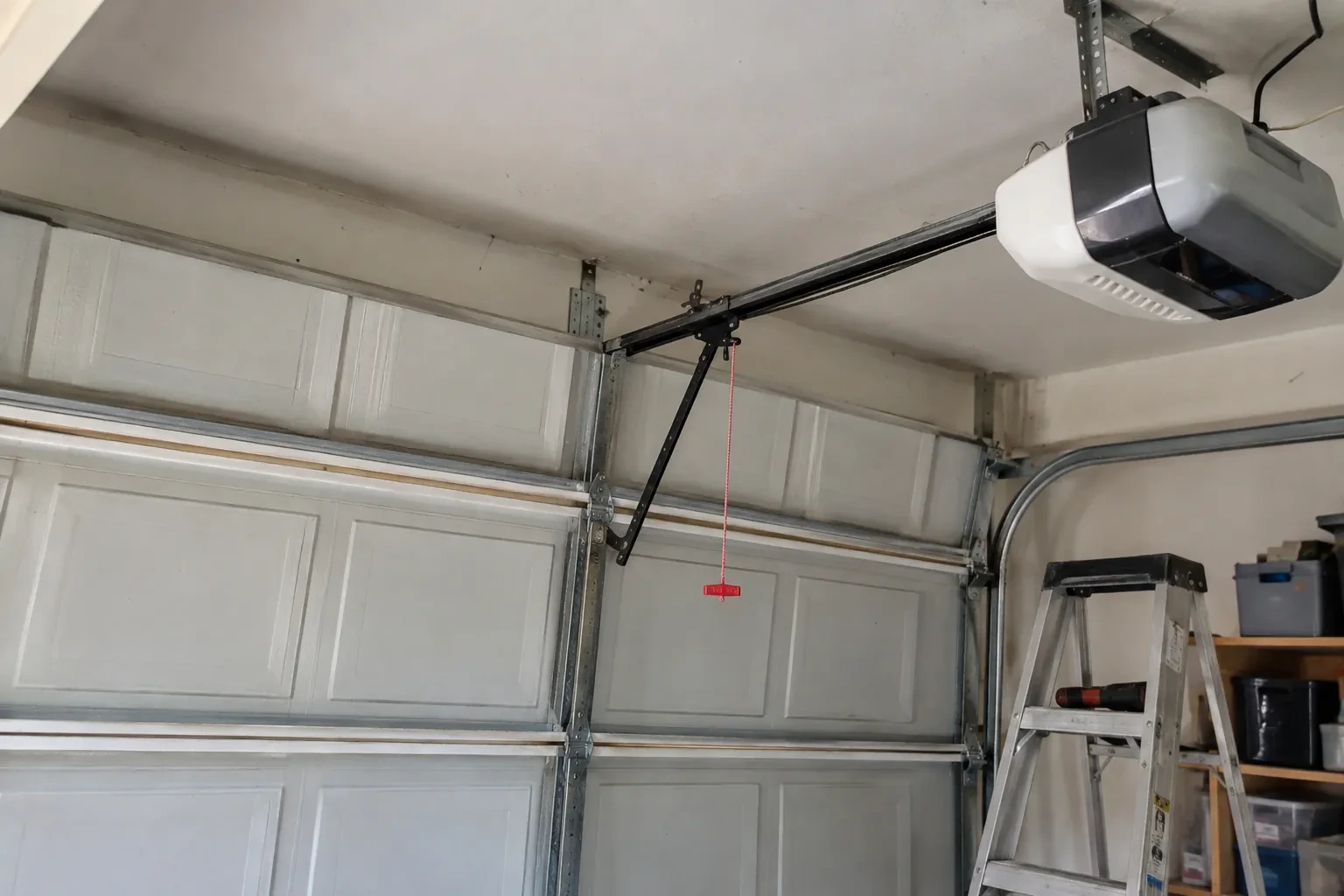
How the visit goesThe ceiling has bulkheads, lighting and an opener competing for space above the opening. Before ordering a glazed door, you need to know which track arrangement will travel cleanly through that limited headroom.
Full-View Glass Garage Door Installation
How the visit goes
Reading the threshold and weather exposure
The bottom edge deserves a close look because glass makes a clean exterior line especially noticeable. The installer checks the slab for slope, humps, cracks and low corners, then considers which bottom-seal profile can follow it. Jamb surfaces are inspected for continuous perimeter-seal contact, and the exposure to rain, drifting snow and road spray is noted. Drainage near the opening and any water staining inside help set realistic sealing expectations. Small floor or trim corrections can be identified before the new frame is aligned above them.
Commissioning every operating function
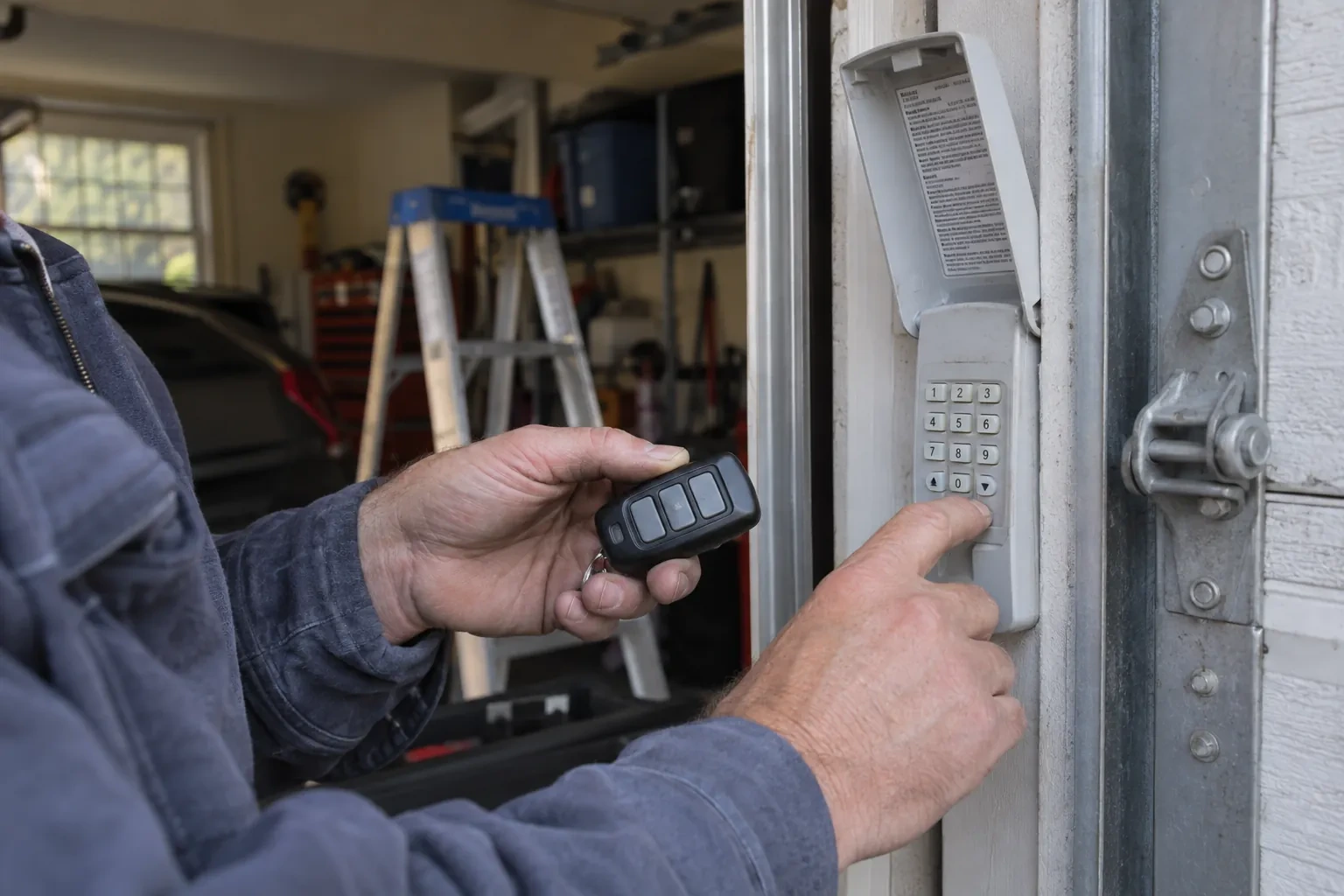
Final commissioning observes repeated powered opening and closing from a clear work area. Open and closed limits are refined, the bottom seal lands consistently, and the upper section clears the header and operator hardware. Photo-electric interruption and the operator's contact-reversal procedure are tested according to its instructions. The emergency release is demonstrated after stable balance has been confirmed, followed by positive re-engagement. Labels remain visible, protective film is removed as directed, and the exact cleaning method is reviewed before controls and records are handed over.
Seals ready for changing seasons
Perimeter and bottom seals provide their most useful contact when tracks, floor and frame remain aligned. During the first seasonal changes, look for daylight at a corner, a flattened section of weatherstrip or ice holding the bottom edge to the slab. Clear leaves and grit from the threshold, rinse road residue from the lower frame and keep drainage moving away from the opening. A modest gap caused by floor shape is documented at installation, while a new gap or rubbing seal provides a practical reason to have alignment checked.
Full-View Glass Garage Door Installation
In the van
Operator reinforcement bracket
Rear track hangers
Vertical and horizontal tracks
Bottom fixtures and lift cables
Torsion springs and shaft
Full-View Glass Garage Door Installation
What affects the quote
Removal of the existing door
Controlled dismantling, material handling and removal from the property add labour and logistics compared with installation into a prepared opening. Door size and access influence that scope.
Glazing material
Tempered glass, laminated glass, insulated units, acrylic, polycarbonate and solid infill have different specifications, weights and handling needs. The selected combination shapes the complete door order.
Counterbalance system
Springs, shaft, drums and cables are selected for the ordered door weight and lift. Larger or heavier configurations require correspondingly specified lifting hardware.
What to have ready
- Are ceiling lights, ducts or storage near the door path?
- Is the opening changing as part of a renovation?
- Will the existing opener be considered for reuse?
Full-View Glass Garage Door Installation: questions
QuestionsCan I open the new door manually during a power outage?
Yes, once the door has been confirmed balanced and is fully closed, the operator's emergency release allows manual movement. The installer demonstrates the exact release and re-engagement sequence at handover. Use the provided handle or designated gripping points, keeping fingers away from joints and tracks. A door that feels unusually heavy or drifts provides useful information for service.
Is the glazing always made from glass?
No. Depending on the selected door system, infill choices may include tempered or laminated glass, acrylic, polycarbonate and solid aluminium panels. Each has its own weight, appearance, privacy, impact and cleaning characteristics. Availability also changes with door size, insulation and frame construction, so the material is confirmed as part of the complete ordered configuration.
What maintenance does a full-view door need?
Routine care combines gentle surface cleaning with observation of the moving system. Watch complete cycles, keep sensor paths clear, inspect seals and glazing gaskets, and note new rubbing or uneven movement. Use the operator manual for reversal checks. Springs, cables, drums and bottom brackets store substantial tension, so trained personnel handle adjustments involving those components.
Related services
- Insulated Steel Garage Door InstallationThe existing door opens on old tracks that crowd storage near the ceiling.
- Wind-Rated Garage Door ReplacementNew windows would improve the door's appearance, but they also change the section layout and reinforcement pattern.
- Carriage-House Garage Door InstallationA front elevation update has brought new trim, lighting and a deeper colour palette, leaving the garage door as the remaining piece.