Garage Doors in Winterbourne, OntarioEvery remote,on the same page.
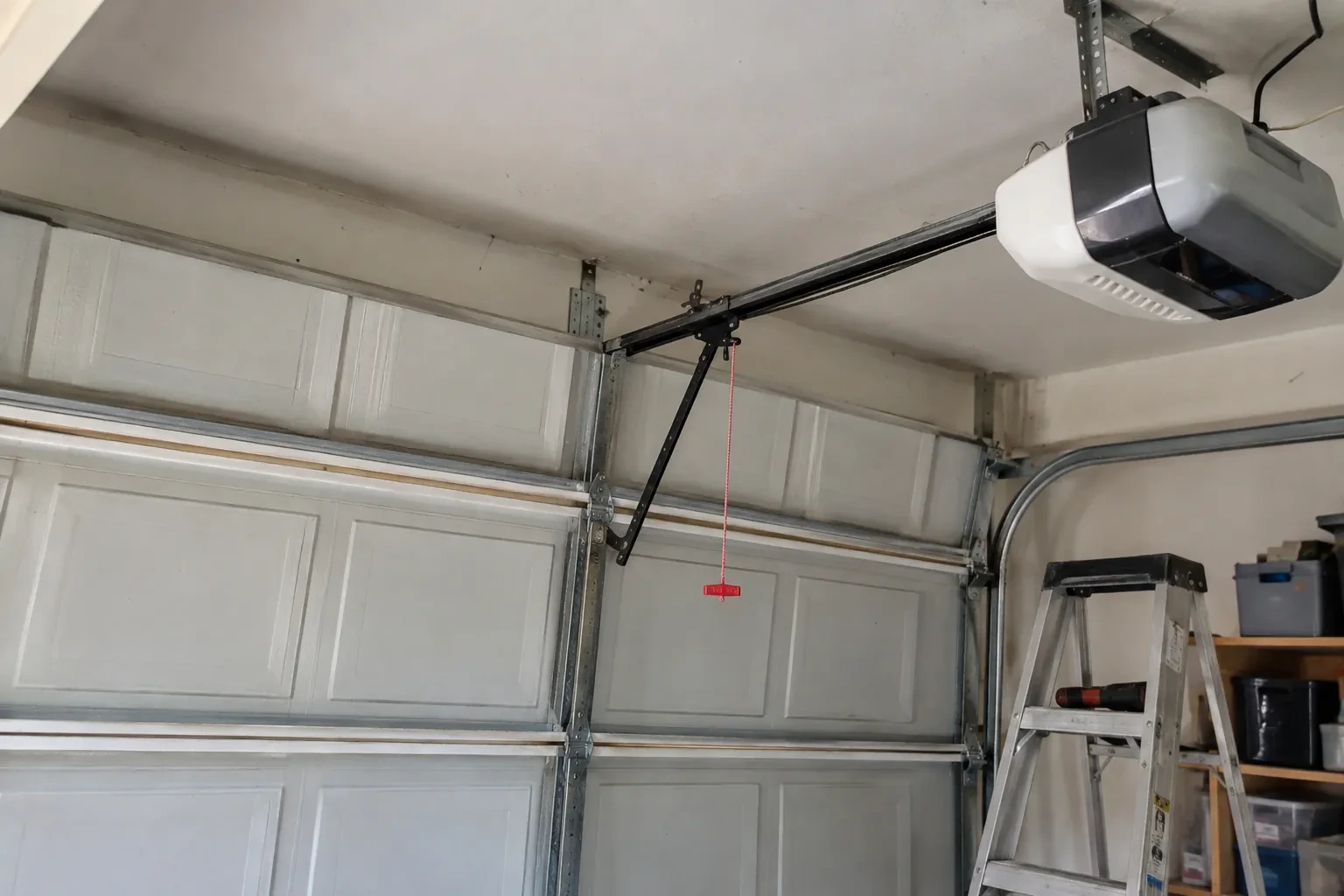
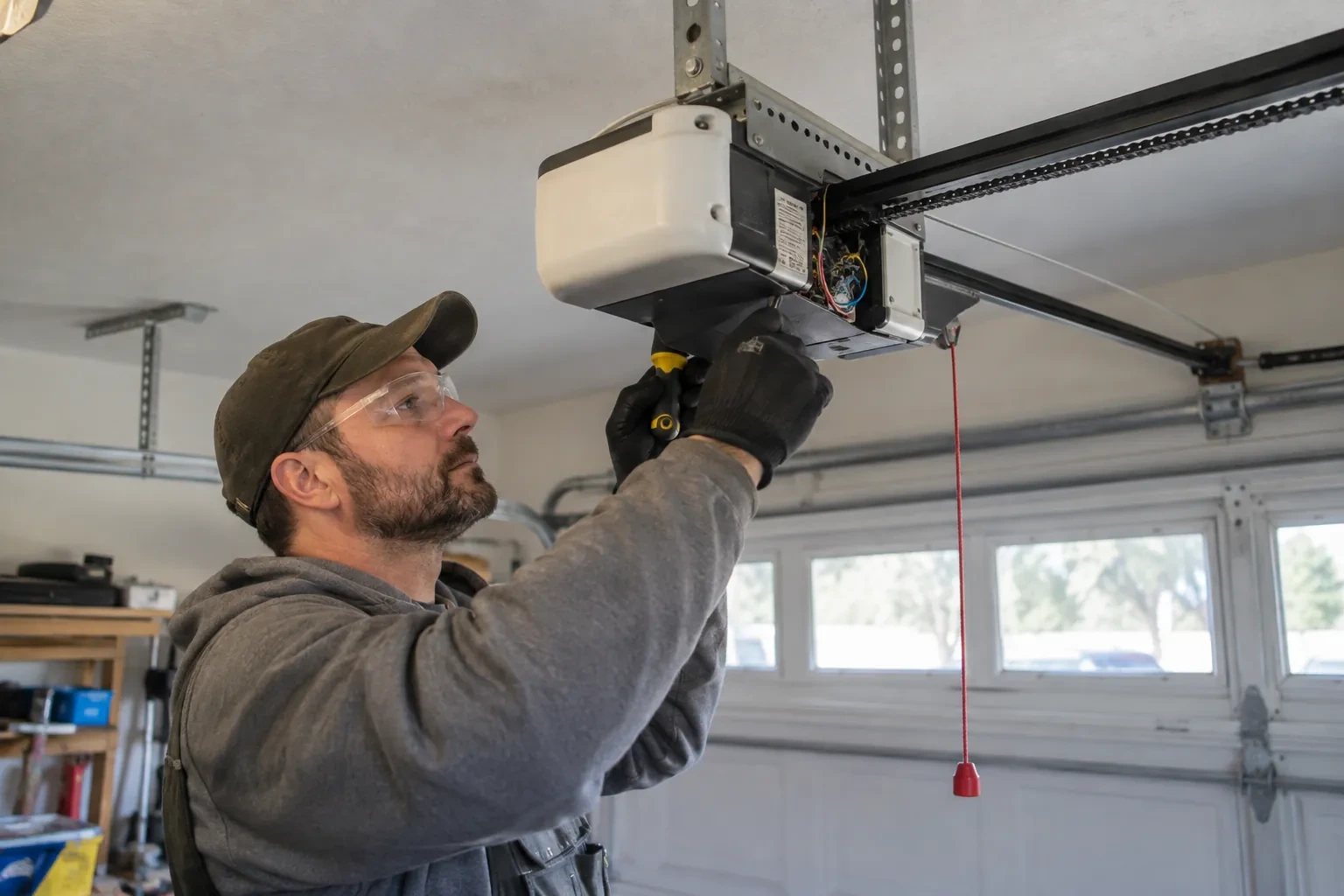
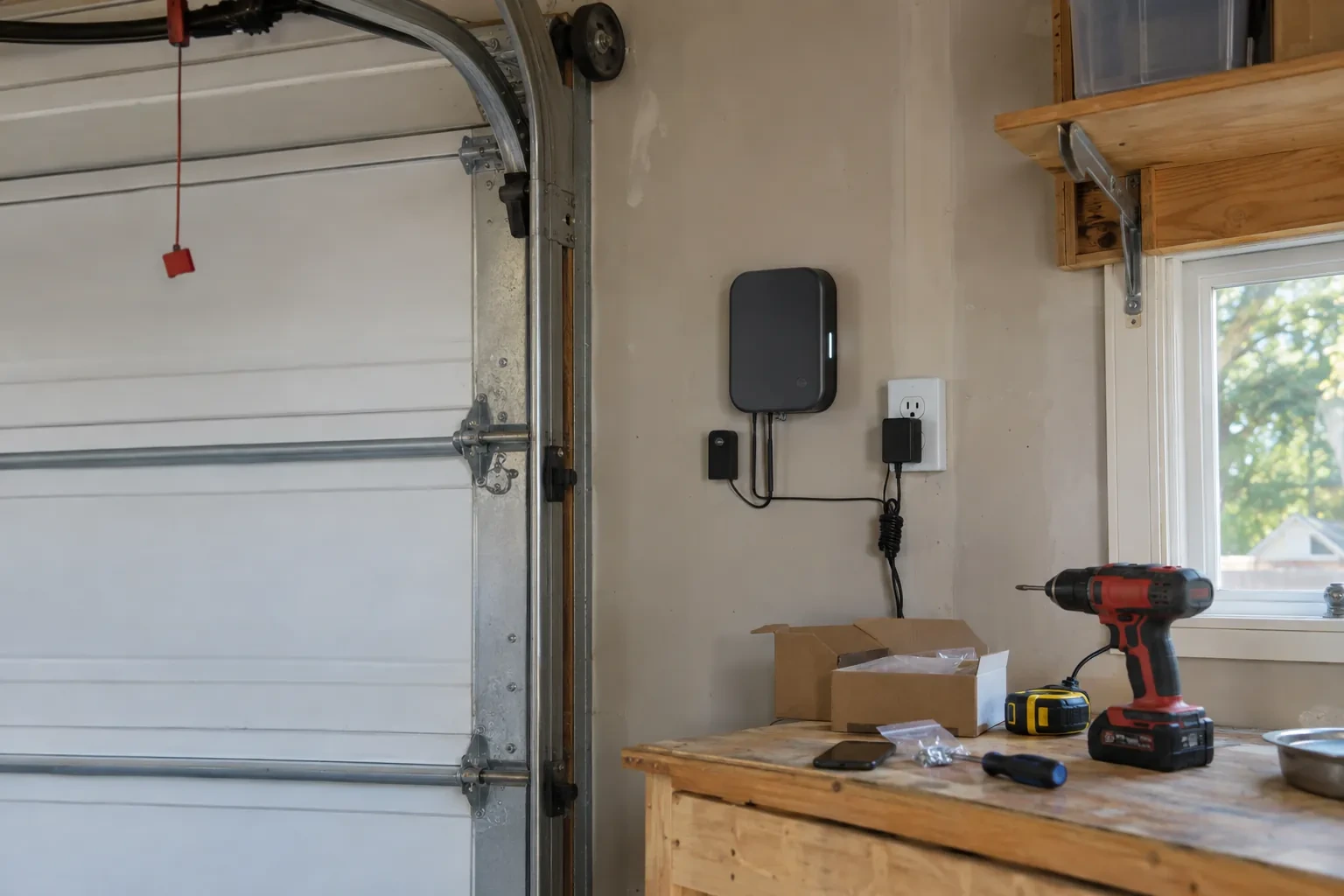
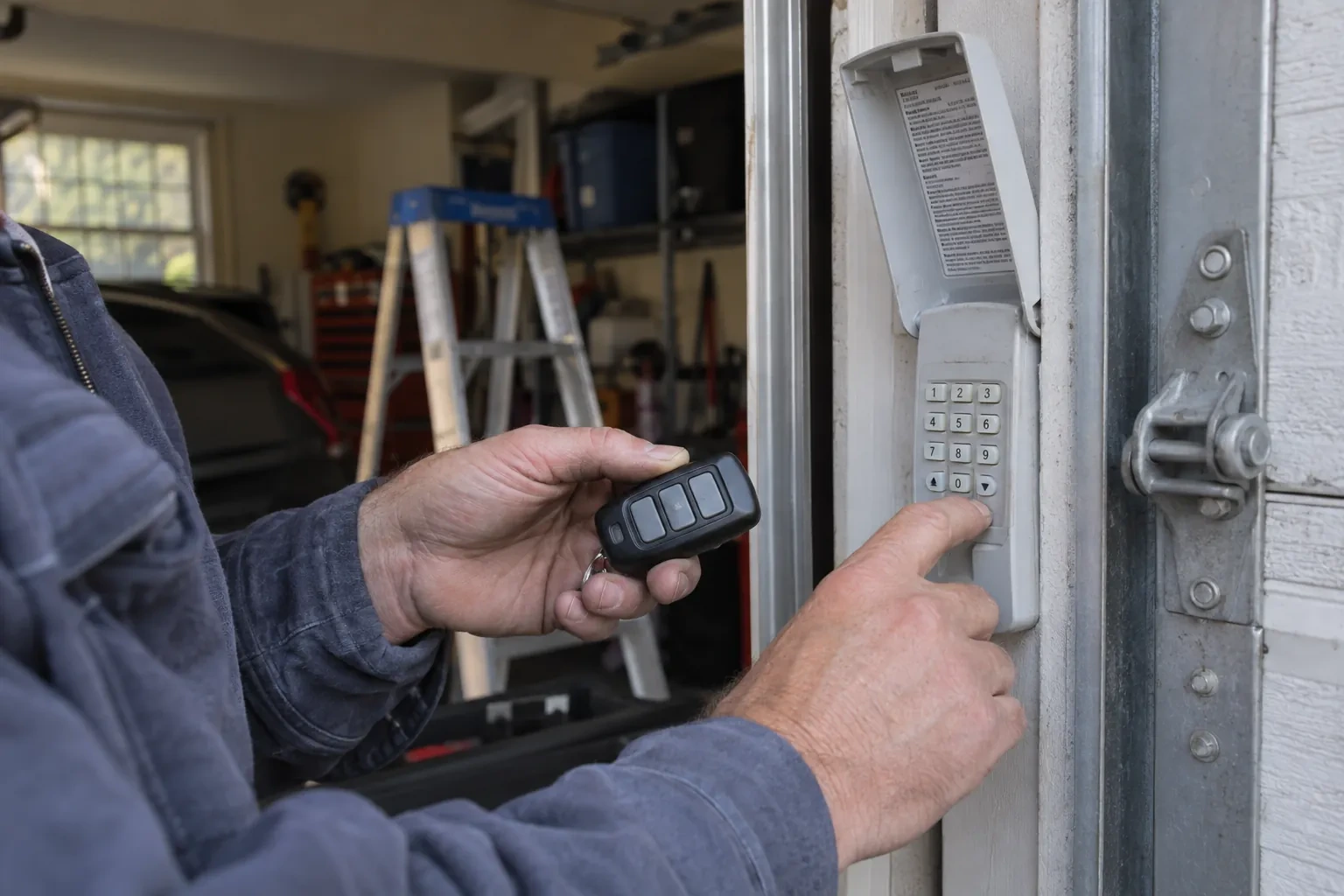
Remotes, the wall keypad, the button by the kitchen door and the app on your phone all need to agree with the opener. For homeowners in Winterbourne we program them cleanly, erase codes from remotes that went missing years ago, and show you how to add a new one yourself when the time comes.
Remotes, the wall keypad, the button by the kitchen door and the app on your phone all need to agree with the opener. For homeowners in Winterbourne we program them cleanly, erase codes from remotes that went missing years ago, and show you how to add a new one yourself when the time comes.
Careful work on heavy doors.
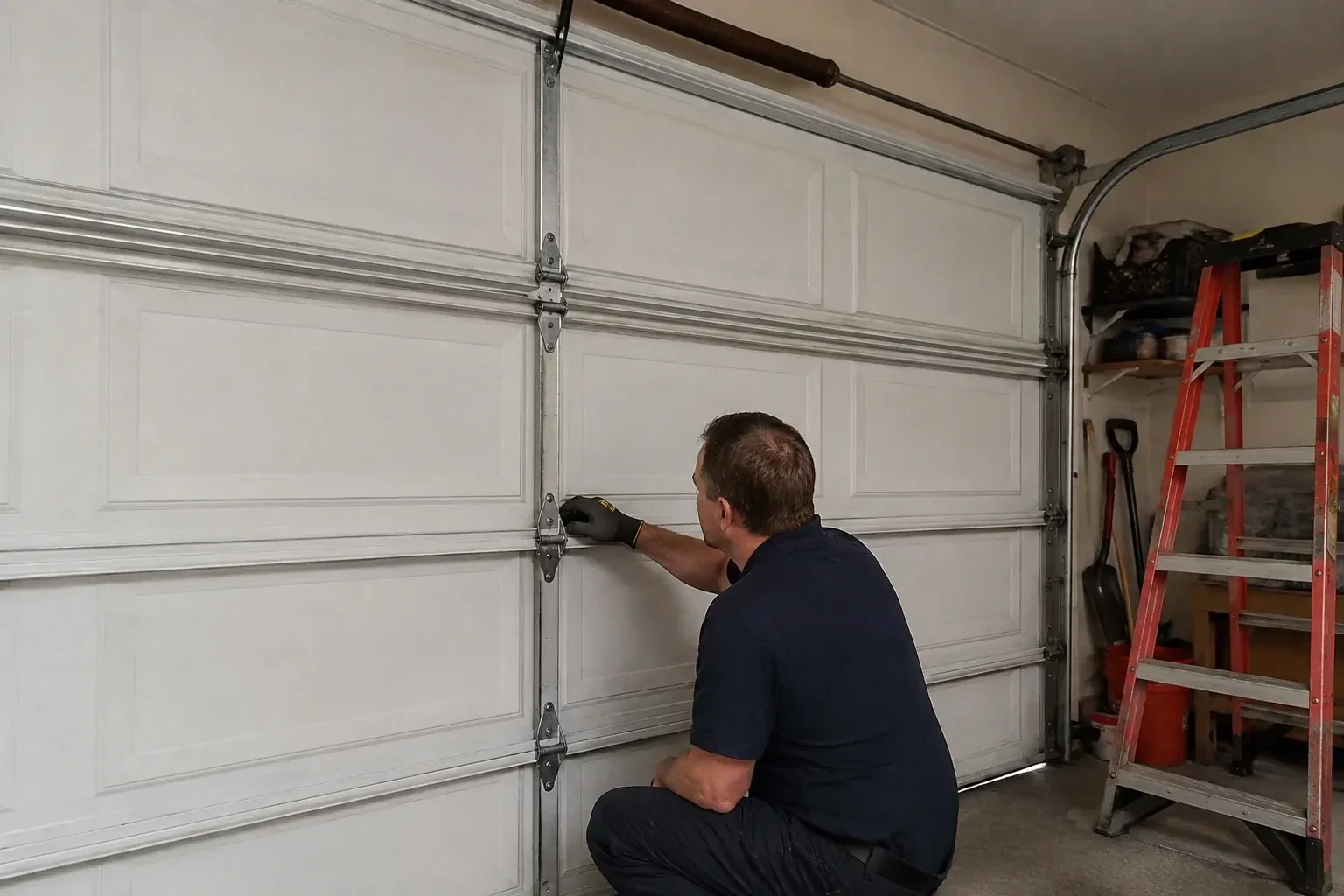
When a garage door in Winterbourne has stopped, the household is usually stuck too, so we organise the day around getting the door moving safely. The technician clears the fault, checks the rest of the door so the next part does not follow, and explains what he did before he drives away.
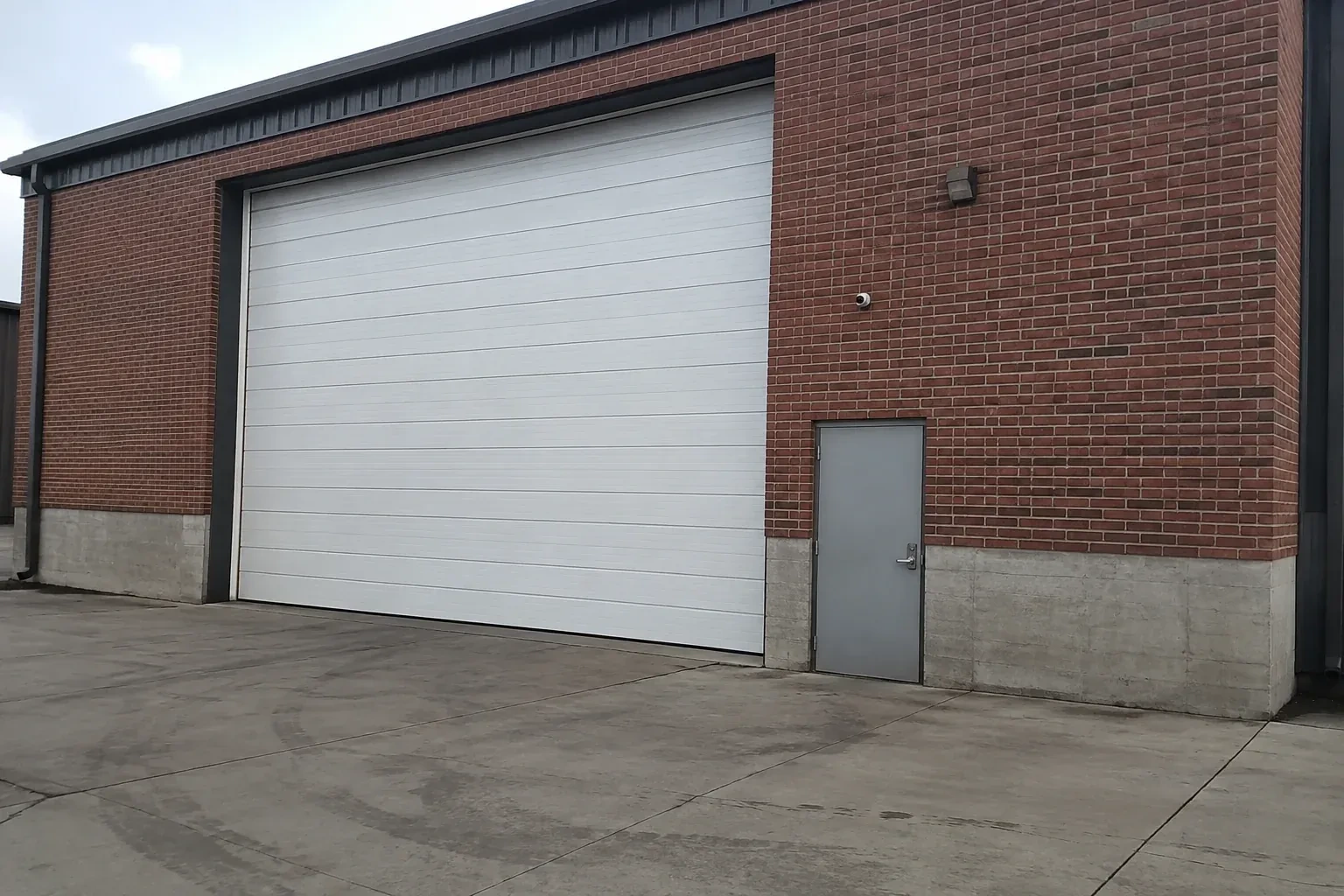
Businesses in Winterbourne depend on their doors more than they think about them, until one stops. We service rolling steel doors, sectional commercial doors and the heavy-duty openers that run them, keeping the right hardware on the shelf so a service call finishes the job. For homes in the area, the same technicians handle residential repairs and installations with the same care.
20years in business
24/7open every day
Understanding first. We explain the fault in plain terms and check that it makes sense to you before moving on to the repair.
Respect for the space. Drop sheets, careful handling of stored items, and a full clean-up. We are guests in your garage and act like it.
Choices laid out plainly. Each option comes with what it involves, how long it tends to last and what it means for the opener and the rest of the door.
Request a visit for a stuck or noisy door in Winterbourne.
Businesses in Winterbourne need doors that keep moving; homeowners need doors that are safe and quiet. We serve both. Commercial services include rolling and sectional door repair and operator replacement; residential services run from spring and roller work to openers, seals and new insulated doors.
About 47% of homes in Woolwich were built in 1980 or earlier, according to the 2021 Census.
A blend of older and newer homes usually means a blend of expectations too: keeping an original door running as long as sensible, or bringing a builder-grade door up to a quieter standard. Both are worthwhile, and the choice is explained at the door with the options side by side.
Single-detached houses make up about 76% of homes in Woolwich (2021 Census).
Mostly houses
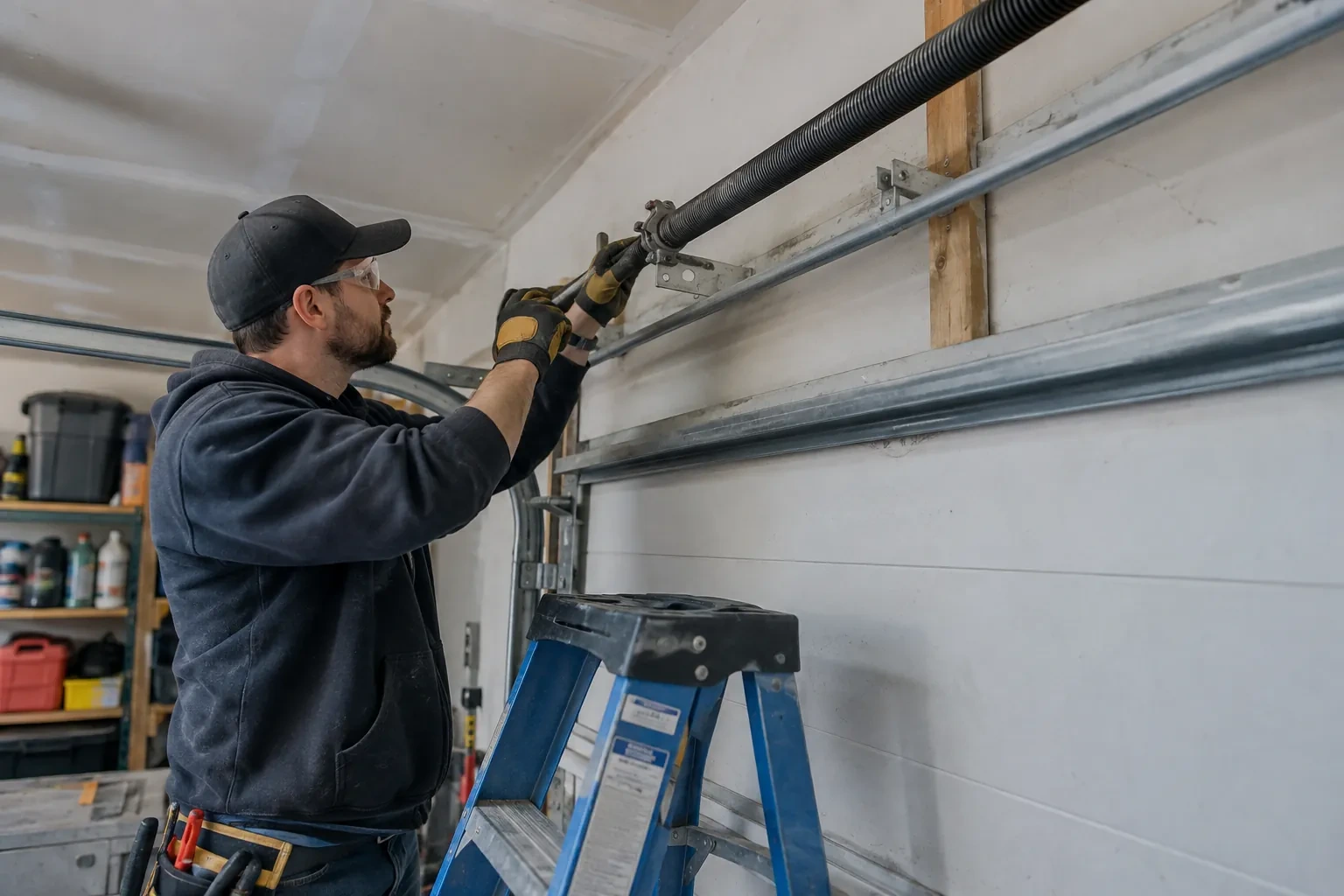
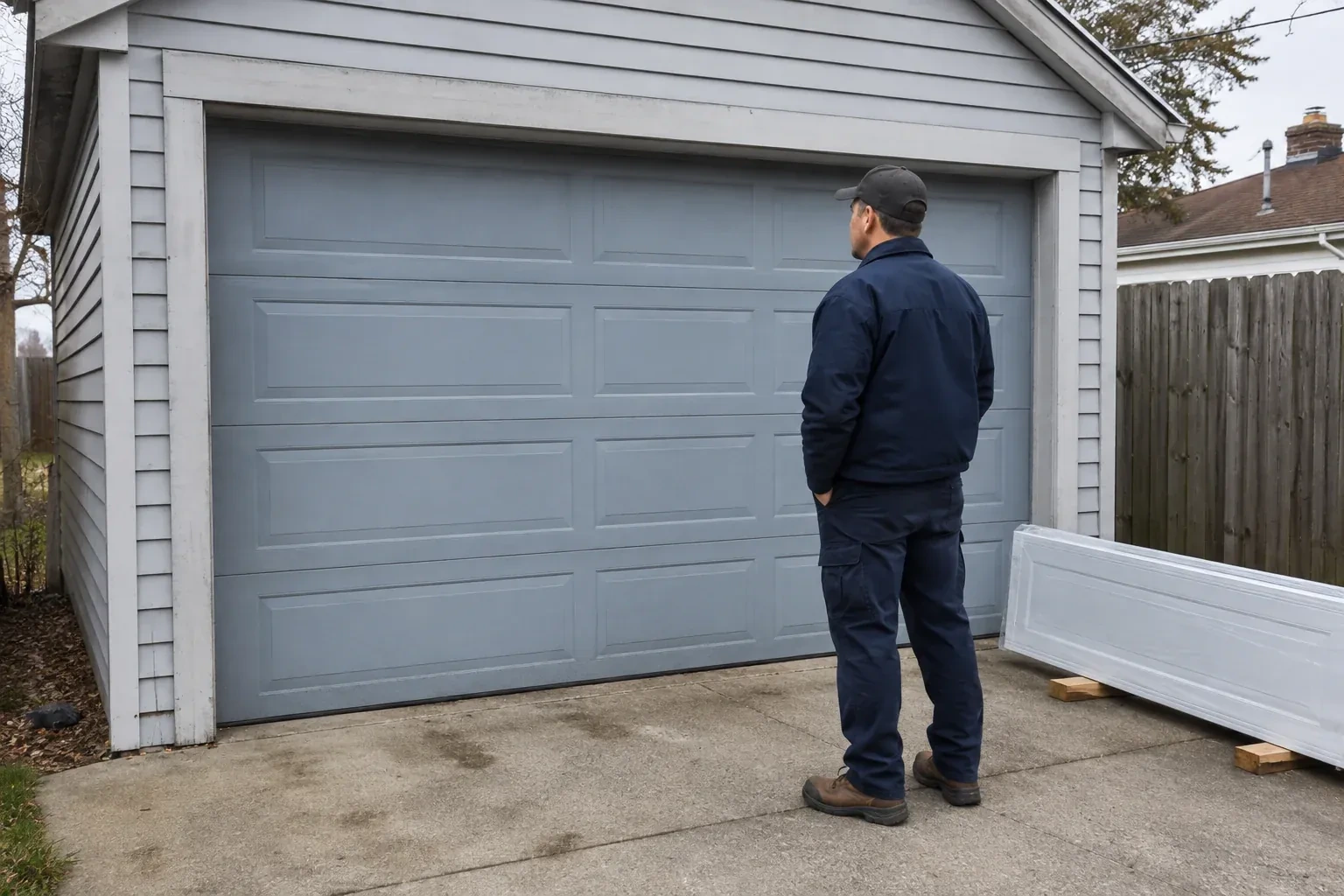
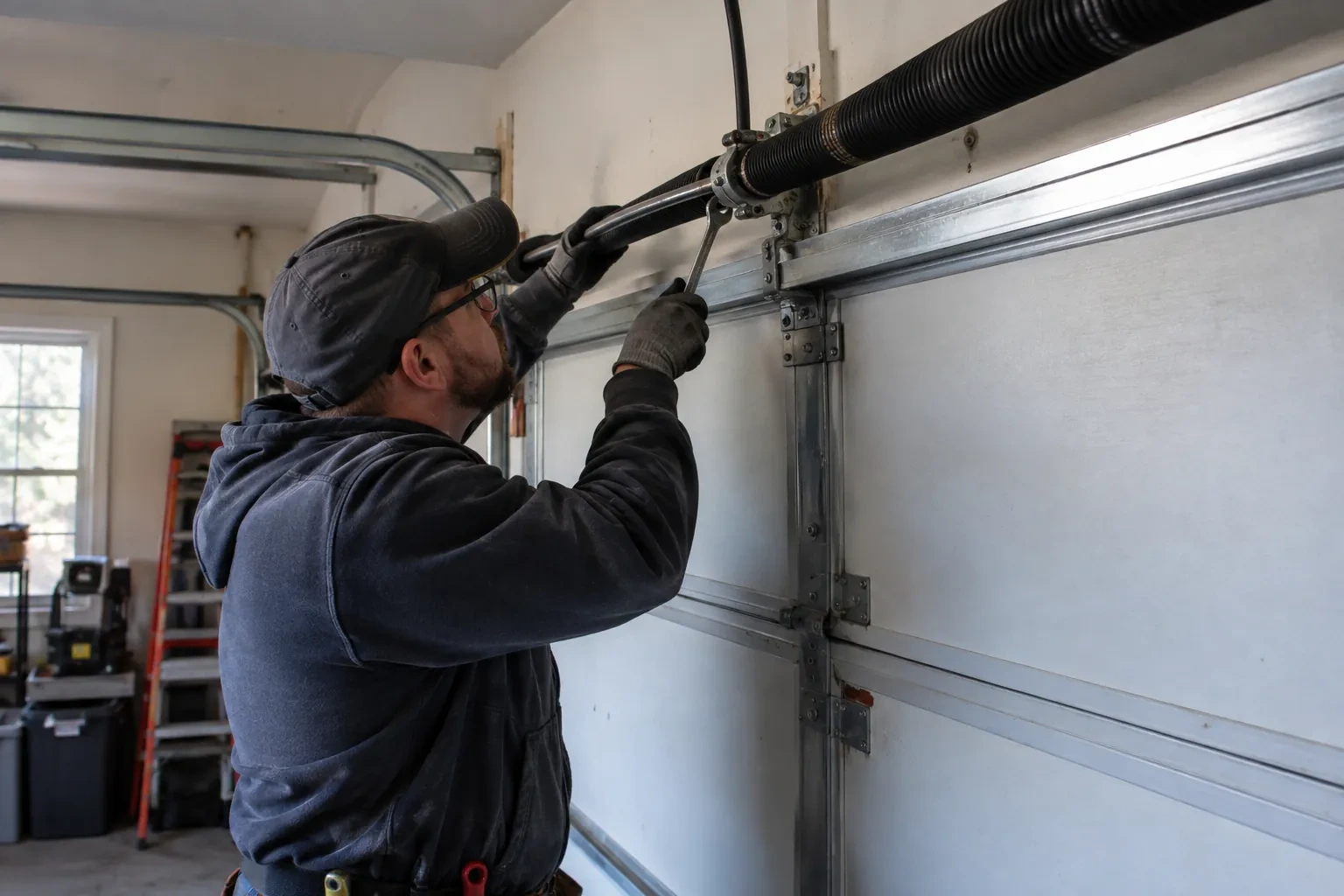
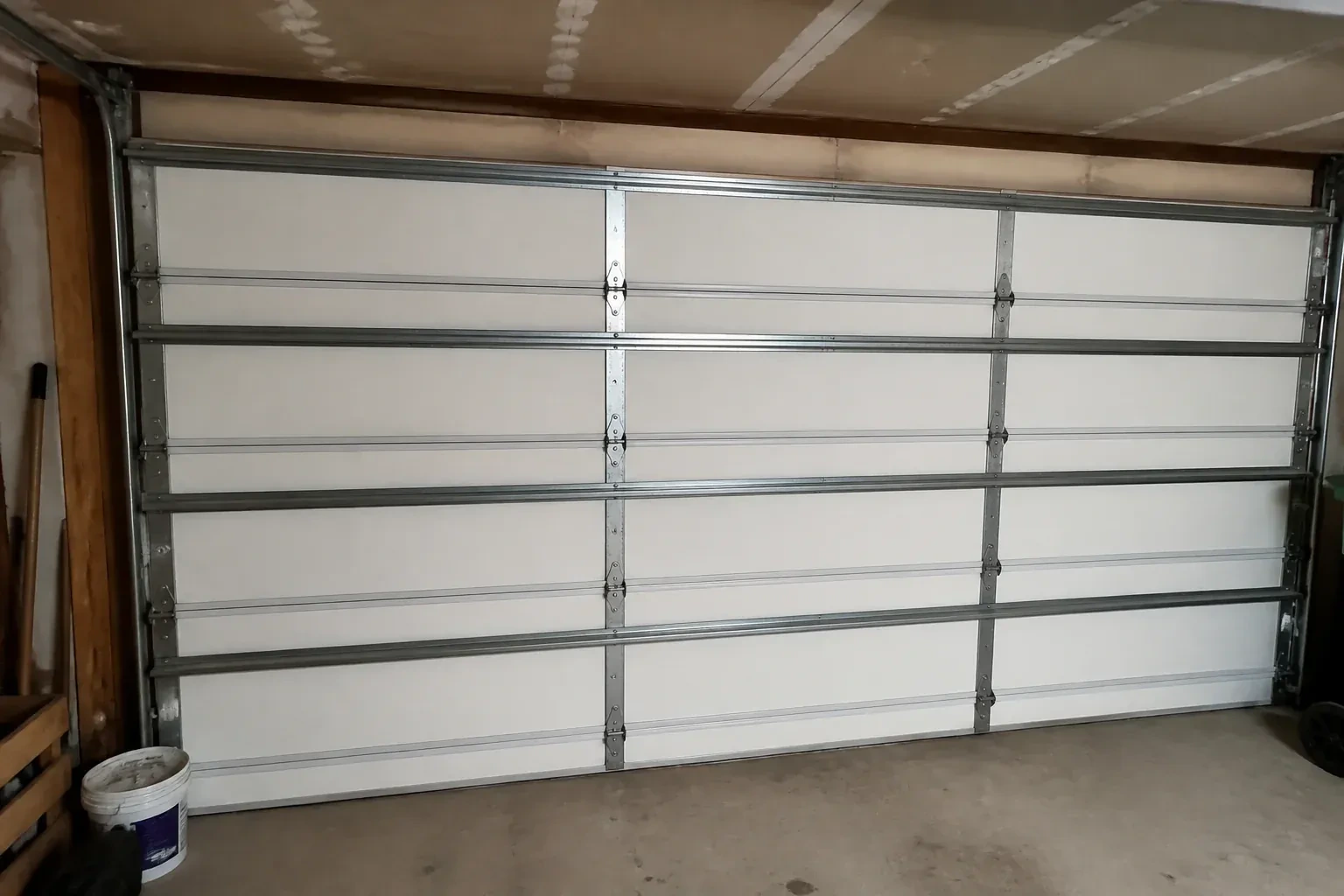
Detached houses commonly have attached two-car garages with a wide double door, which is a heavy door on a pair of torsion springs. Spring and cable work on these doors is done as a matched set so the door lifts level and the opener carries only its intended load.
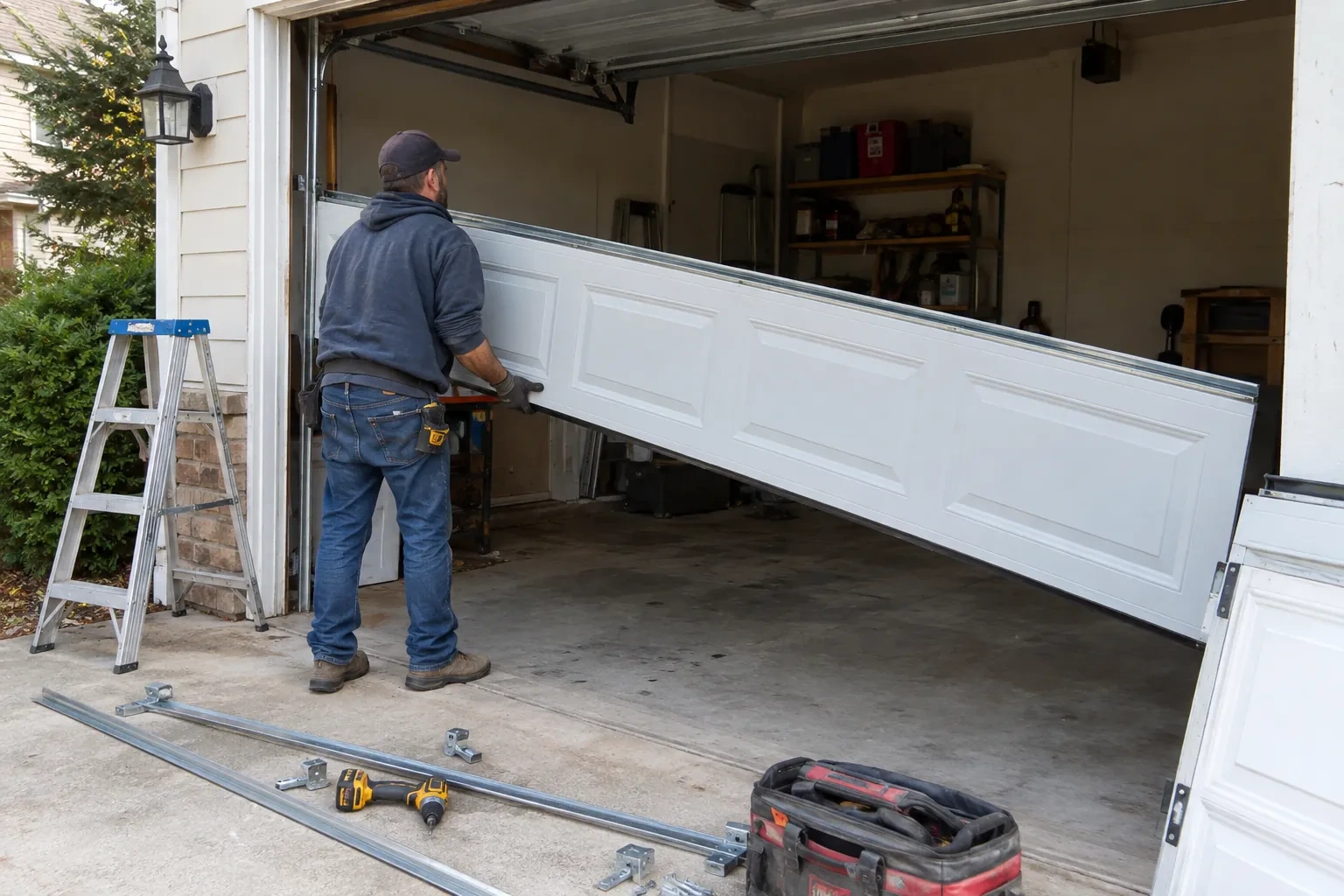
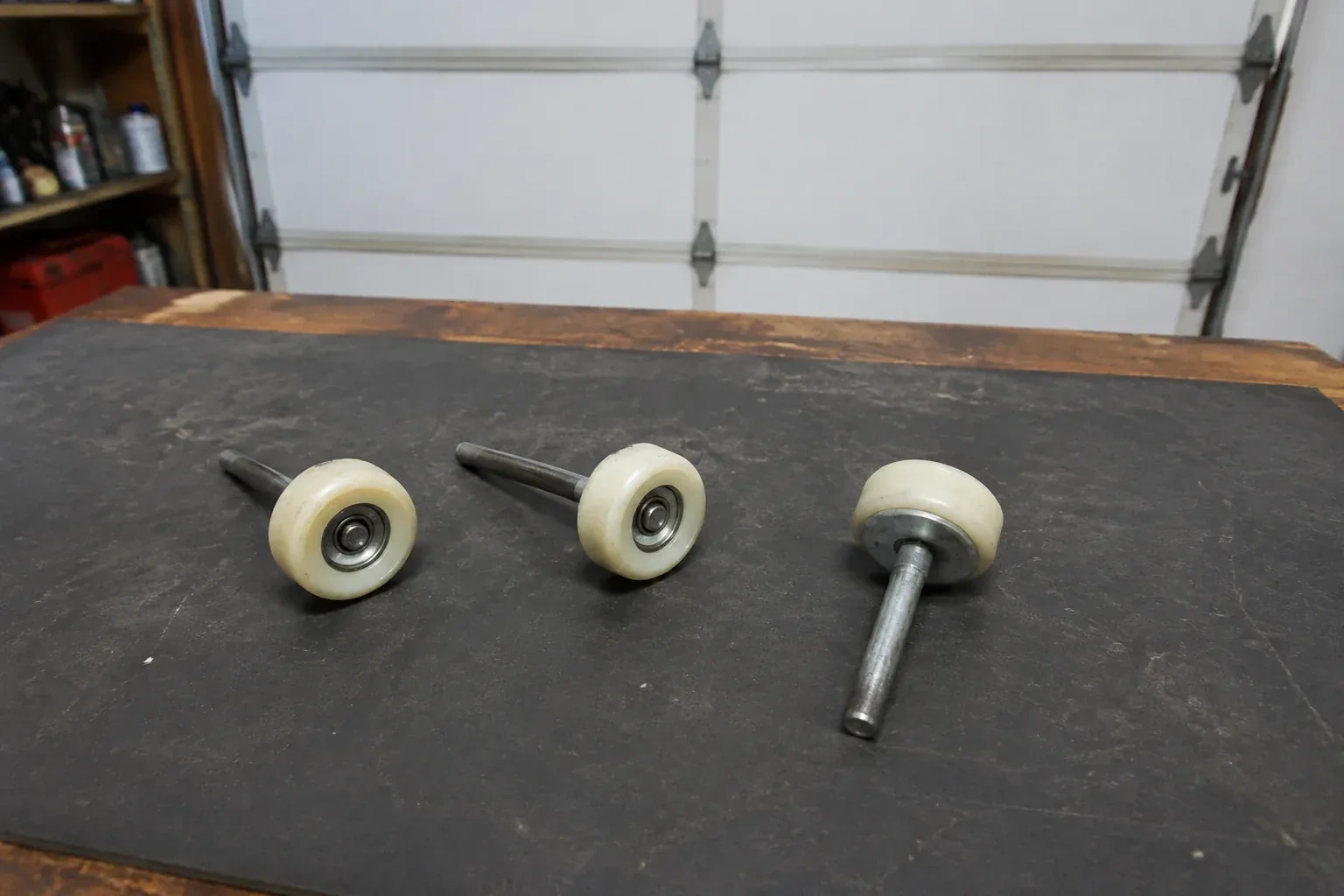
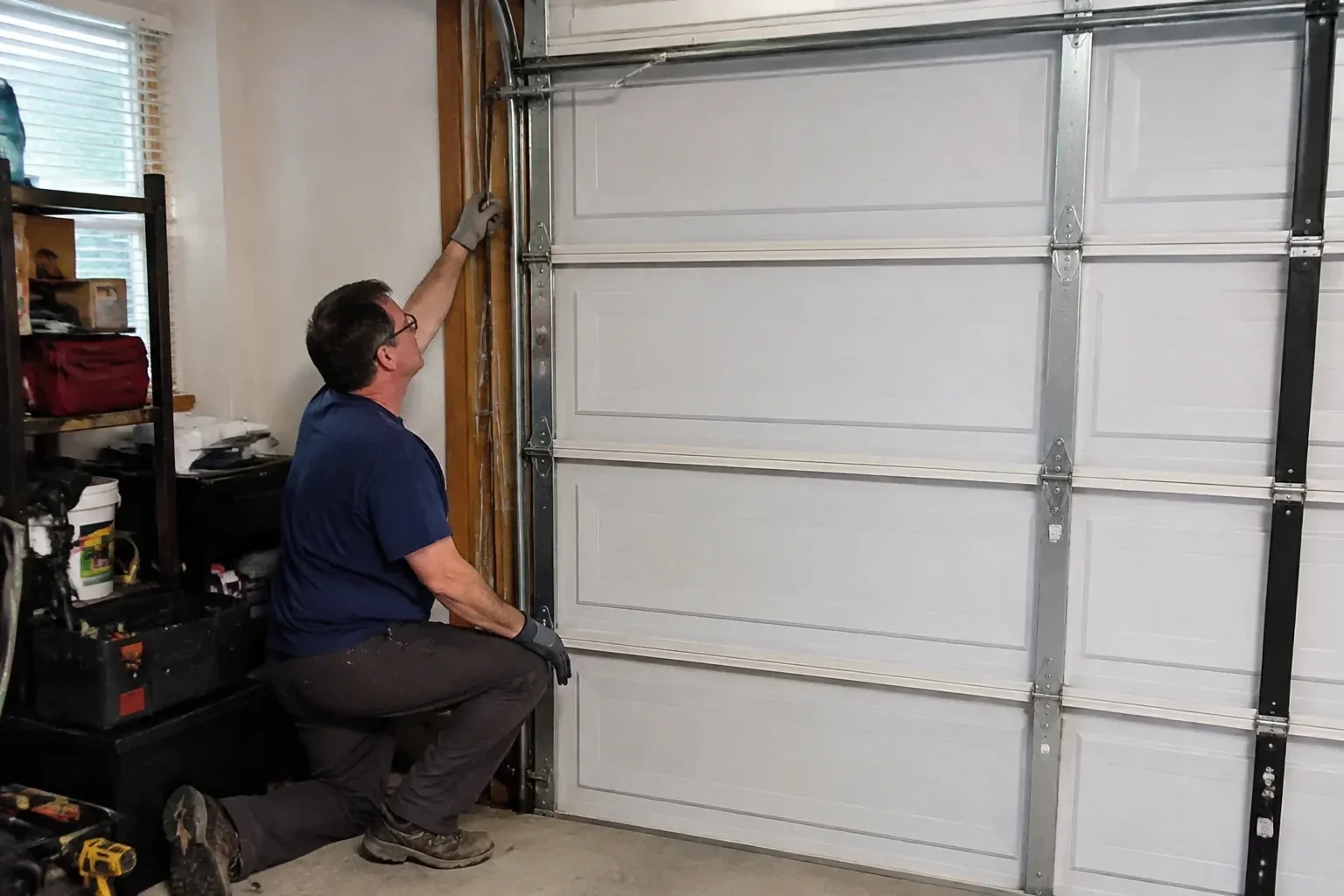
The rollers on the door have been squealing for months. Today one of them simply fell out of the track at the curve, its wheel worn down to the stem, and the top section sagged sideways as the door opened.
You bought the house with a door that sticks near the top of its travel. The vertical track was screwed tight against the jamb, so the door drags along its stop moulding on every trip instead of swinging clear.
On cold mornings the door barely makes it up. The motor whines, the door crawls, and once or twice it has given up halfway. By afternoon, with the sun on the garage, it runs almost normally again.
It is a January morning and the door lifts about a hand's width, groans, and settles back down. When you pull the release and try by hand the door feels far heavier than it used to, and the bottom seal is stuck hard to the slab.
Halfway up, the door lurches. Something in the drive skips a beat, the chain jumps, and the door finishes its travel with a jolt. It happens more on cold mornings and always at the same point on the rail.
The door will only go down while a finger stays on the wall button; let go and it stops or reverses. From the remote it opens fine but never closes, so someone has to stand in the garage every time.
It is the coldest morning of the year. A week of slush and road salt has crusted over the outside release lock, the key will not seat, and the opener inside is silent after the overnight outage. The car sits behind a door that will not move.
The garage becomes notably colder each winter, with drafts around the perimeter and condensation on thin door sections. You want a replacement selected for better sealing and insulation as part of a more comfortable space.
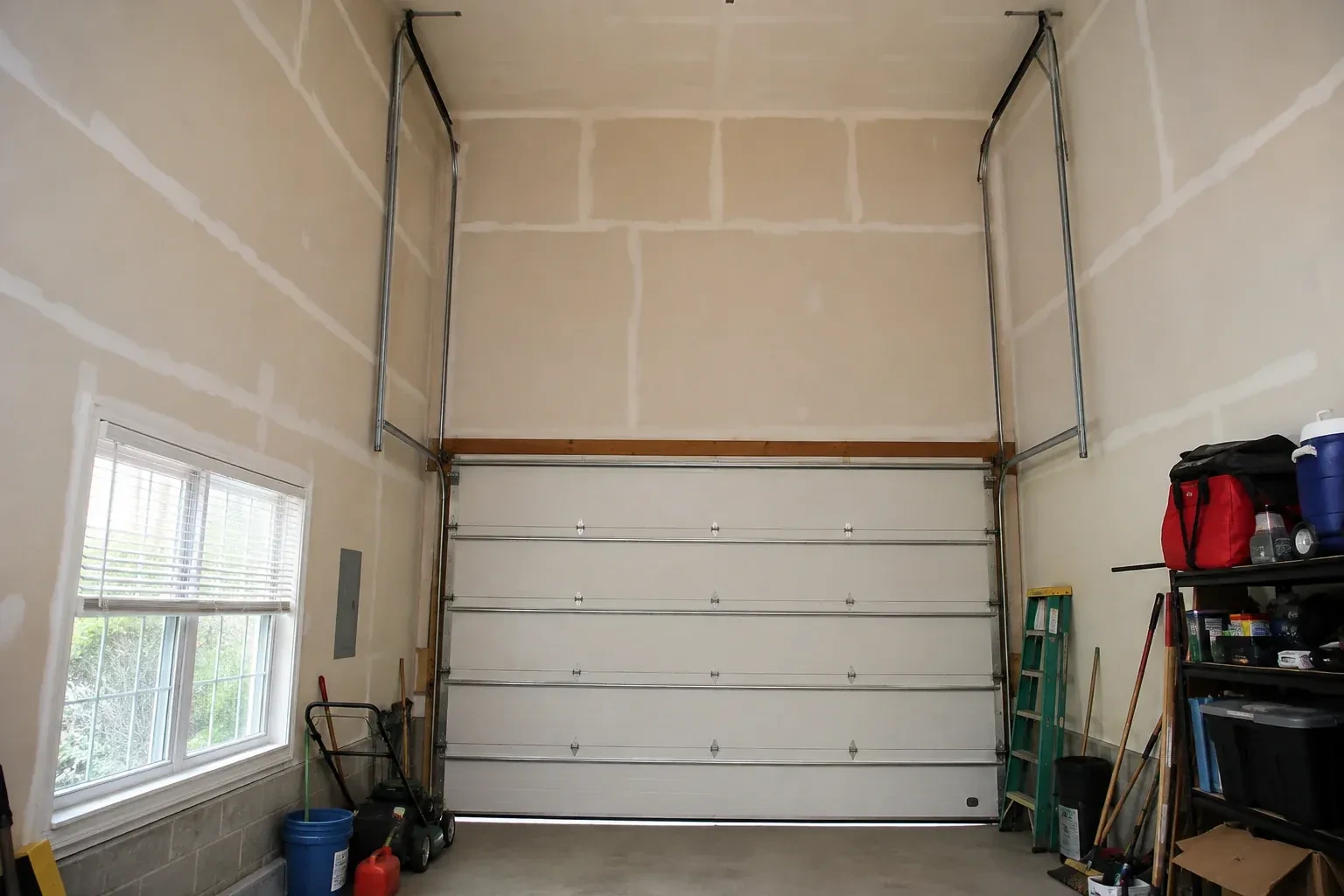
A high-lift door begins smoothly, then a cable loses tension as the top sections change direction. The loose cable no longer follows its drum grooves evenly, leaving the door unreliable at the top of travel.
Workshop equipment is moving in, and the present opener rail and door sections occupy the same overhead zone planned for lighting and clear working space. A different travel path could organize that ceiling area more effectively.
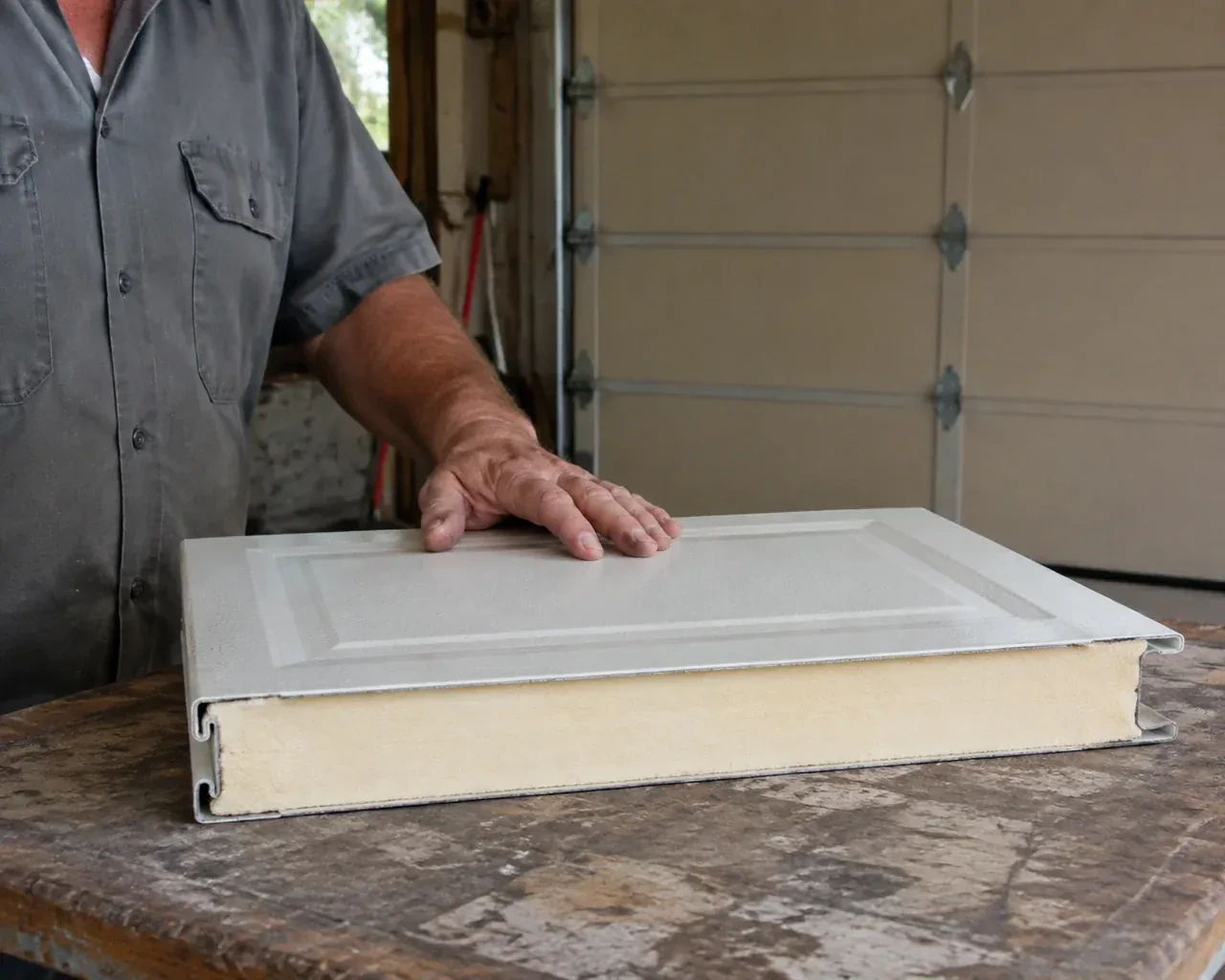
Sectional doors, carriage-house styles, full-view glass and insulated steel all sit in this group, along with the conversions and hardware upgrades that change how a door performs.
The door opens about a third of the way and stops. Turning the limit screw on the head has made no difference, and the trolley seems to sit in the wrong place along the rail when the door is fully closed.
It is minus twenty in the detached garage and the door climbs in jerks, the belt stiff as a board. By the afternoon, when the sun has been on the door, it runs almost normally again.
The bedroom above the garage shakes every morning at six when the chain drive fires up. Everyone in the house knows the moment someone leaves for work.
After a cold night the door stays open until the garage warms up. There is frost on the sensor lenses and a ridge of salty slush piled against the brackets where the snow blower was parked.
There is a wireless symbol printed on the opener above the car, and the manual mentions an app, but the head unit has never been connected to anything. You downloaded the app once, it asked for a serial number and a network, and the moment passed.
It is the coldest morning of the year. A week of slush and road salt has crusted over the outside release lock, the key will not seat, and the opener inside is silent after the overnight outage.
Which fix fits?
The rollers on the door have been squealing for months.
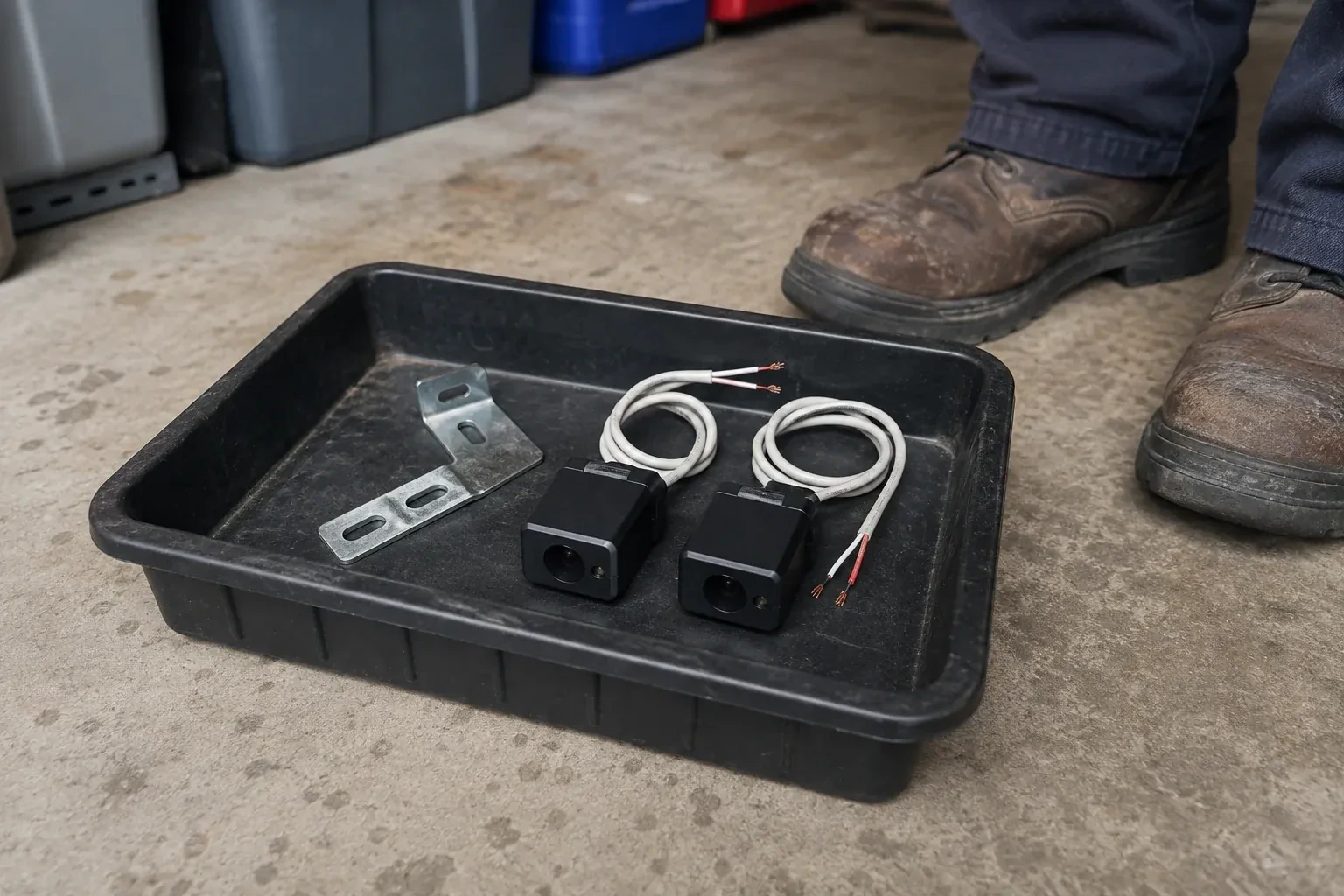
WhyBy the end of the visit you have a door that closes from every control and reverses the instant the beam is broken, a sensor pair mounted level at the right height with steady indicator lights, wiring that is secured and out of harm's way, and a written note of what was found and what was changed.
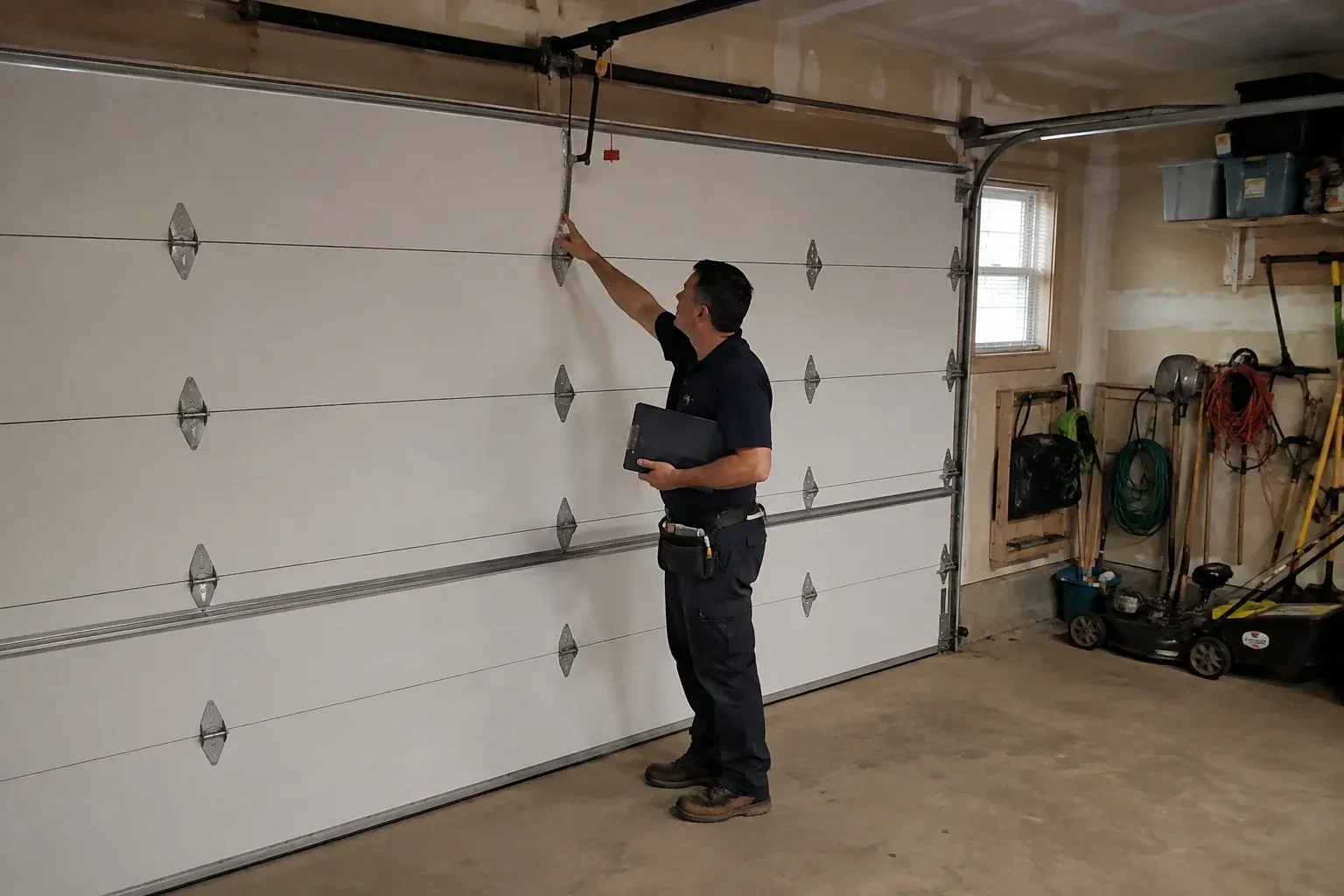
WhyThe release only earns its keep on a door that behaves once it is free of the opener, so the visit starts with the door closed and a balance test rather than with the handle.
The garage becomes notably colder each winter, with drafts around the perimeter and condensation on thin door sections.
WhyImpact repair is more than flattening a dented panel.
Workshop equipment is moving in, and the present opener rail and door sections occupy the same overhead zone planned for lighting and clear working space.
I only tapped the door with the bumper. Why is it off its track?
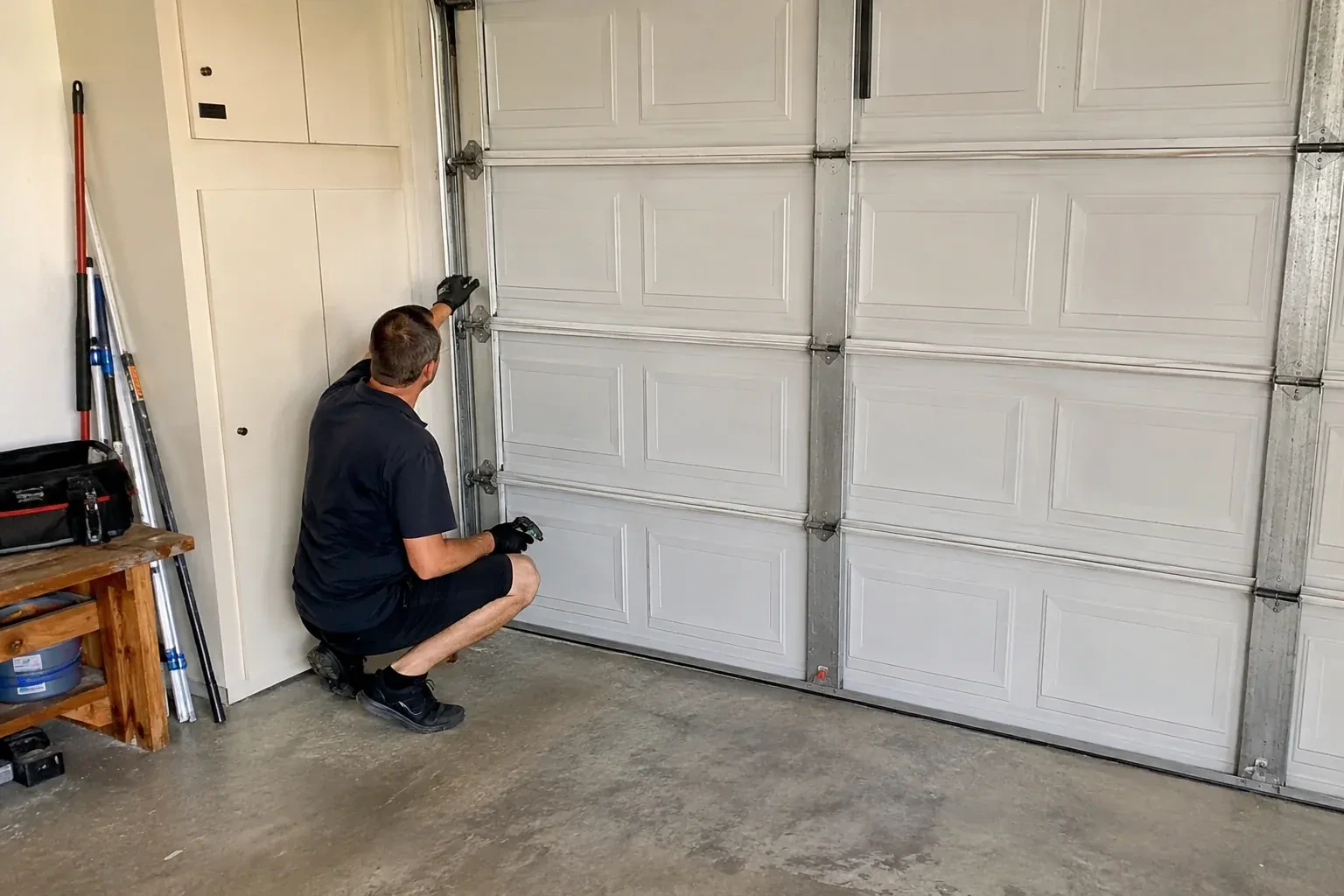
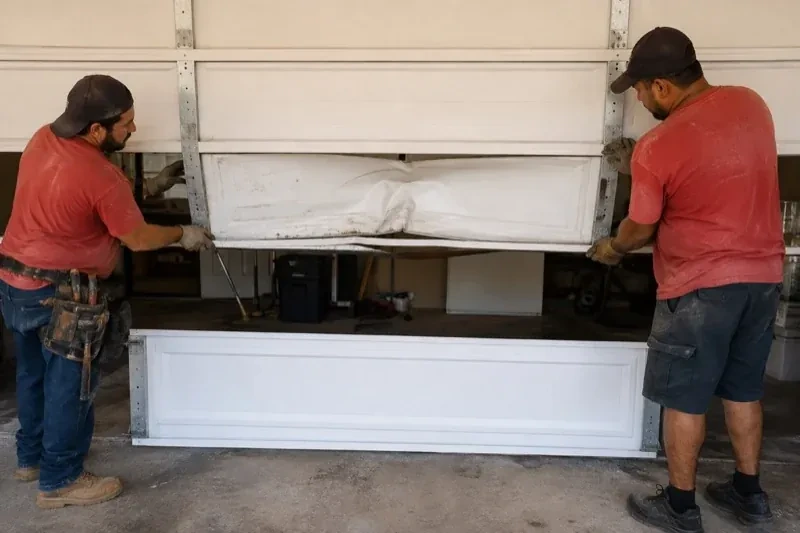
A sectional door is strong in the direction it travels and surprisingly easy to push sideways at a single roller. A light nudge on the bottom section can flex the track lip enough for the roller to slip out, after which the section twists and the rollers above follow. The good news is that this kind of event usually leaves the cables and springs alone, so the reset is often rollers, a re-formed track lip and a hinge check.
Can I hammer the track back myself?
A track is under load from the door resting in it and, at the top, from the spring shaft on the flag bracket, so working on it means securing the door and sometimes unloading the springs first. Freehand hammering also tends to push a dent into a ripple that a roller feels even more. The technician clamps the door, shapes the steel in small steps with a block or track pliers, and gauges the result with a roller.
How long do garage door springs last?
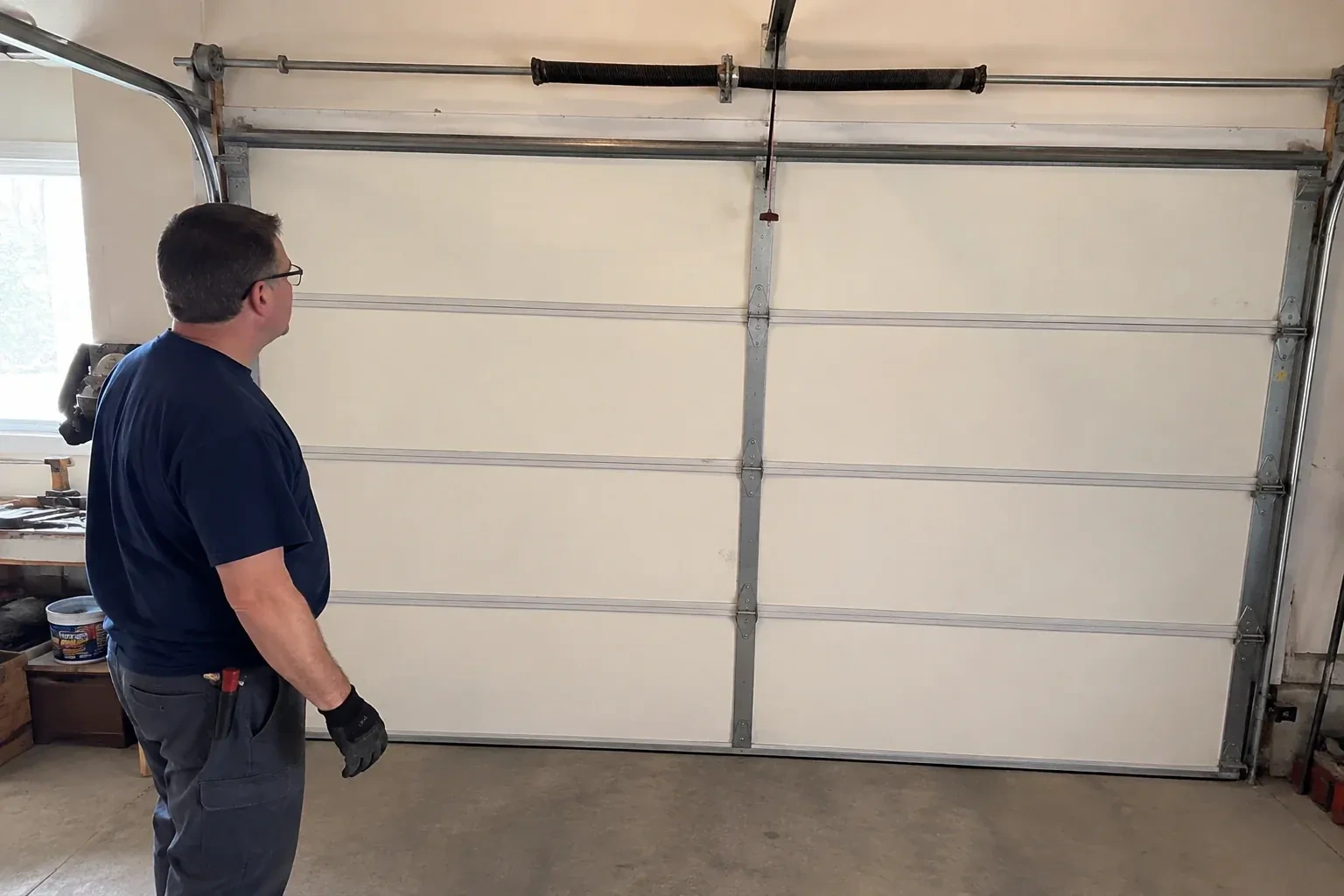
Springs are rated in cycles, one cycle being an open and a close. A standard residential spring is commonly rated for around ten thousand cycles, which for a family using the door several times a day works out to roughly seven to ten years. Higher-cycle springs are available. As a spring nears its rating it loses tension, which is often why a balance adjustment is needed.
Why does the door stop just above the floor and reverse?
Two usual reasons. The travel limit is set a fraction too long, so the door reaches the slab, meets it harder than expected and interprets that as an obstruction. Or the bottom seal has stiffened or frozen and the last few centimetres take more force than the setting allows. Both are adjusted after the door is checked for balance, and the fix is confirmed by closing the door several times and running the contact reversal test.
My opener is decades old. Can the chain drive still be repaired?
Often, yes. Gear kits, sprockets, chains and trolleys are still made for many older heads, and tension, phase and limits can be set on almost any unit. The limit is parts: some makers no longer support units made before the mid-1990s, and those also lack the photo-eye protection expected today. The technician checks parts availability for your model and lays out repair beside renewal so you can decide with the facts.
How high off the floor should the sensors sit?
Low. The industry checklist expects the beam no more than roughly 15 cm (6 in) up from the floor, so that a small child, a pet or a bicycle wheel breaks it. Both sensors are set at the same measured height and level with each other, since a difference of a couple of centimetres is enough to lose the beam. Within that rule the technician can raise them a little to keep them out of the strip where slush collects.
I pulled the release and the door was very heavy. Is the release broken?
The release did its job; the weight is the door telling you its springs are no longer carrying it. A balanced door lifts with modest effort and holds still at about a metre. A heavy one needs the counterbalance looked at, which is work with winding bars for a technician trained for tensioned hardware. During the visit the door side is corrected first, then the release is put back into use on a door that lifts as it should.
How is installation timing planned?
Timing is set after the door specification, site preparation, access and delivered components are confirmed. A straightforward opening and a project needing framing, electrical coordination or unusual track geometry have different sequences. The proposal should identify prerequisites and installation scope so the visit is scheduled around a ready opening and a verified door package.
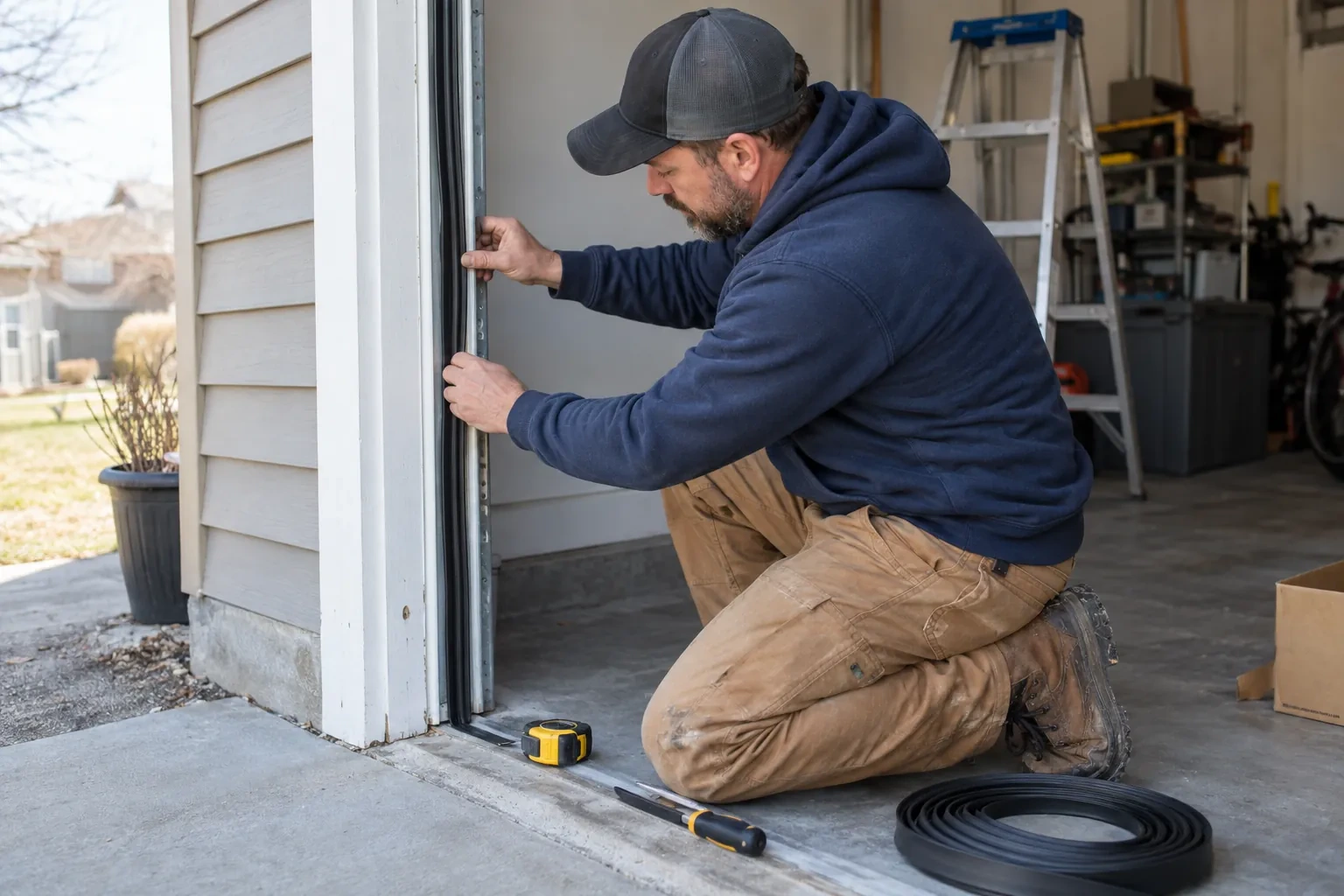
Does a torn bottom seal always mean a seal-only repair?
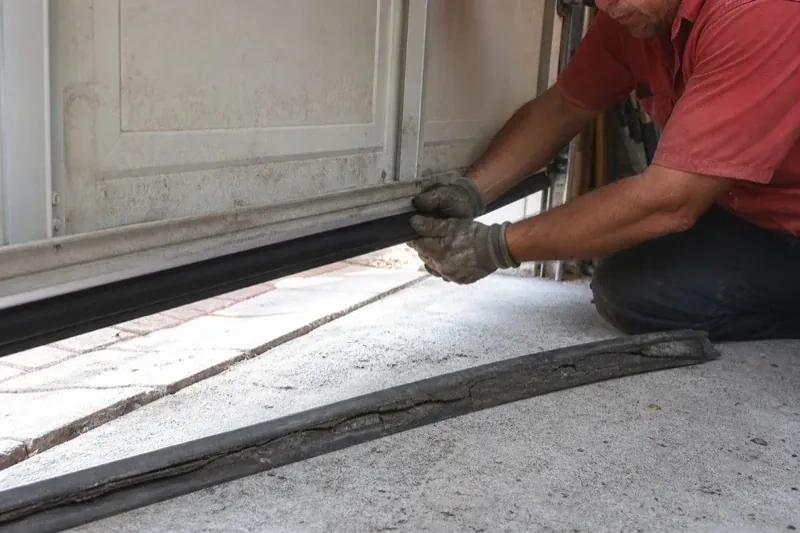
Not always. The rubber may simply be worn, but a bent retainer, uneven floor, crooked door or impact-damaged bottom section can produce the same gap. The technician checks how the door lands before replacing material. Correcting level or retainer shape first allows the new seal to contact evenly without being stretched to compensate for another fault.
Can a high-lift conversion create room for a vehicle lift?
That is a common reason to consider one. The assessment uses the lift's raised height, the vehicle profile and working clearance to define the needed zone. The proposed door path is then measured against that zone, including the lowest section in the open position. Final feasibility depends on available wall height, ceiling conditions, structure and equipment placement.
Request a visit
When a garage door in Winterbourne has stopped, the household is usually stuck too, so we organise the day around getting the door moving safely. The technician clears the fault, checks the rest of the door so the next part does not follow, and explains what he did before he drives away.