Repairs · Woolwich
Garage Door Manual Lock Repair
On the old wooden door out back, one lock bar hangs loose from a rusted guide and the other is bent at an angle, so the handle turns but the door can still be lifted a hand's width from outside.
In plain words
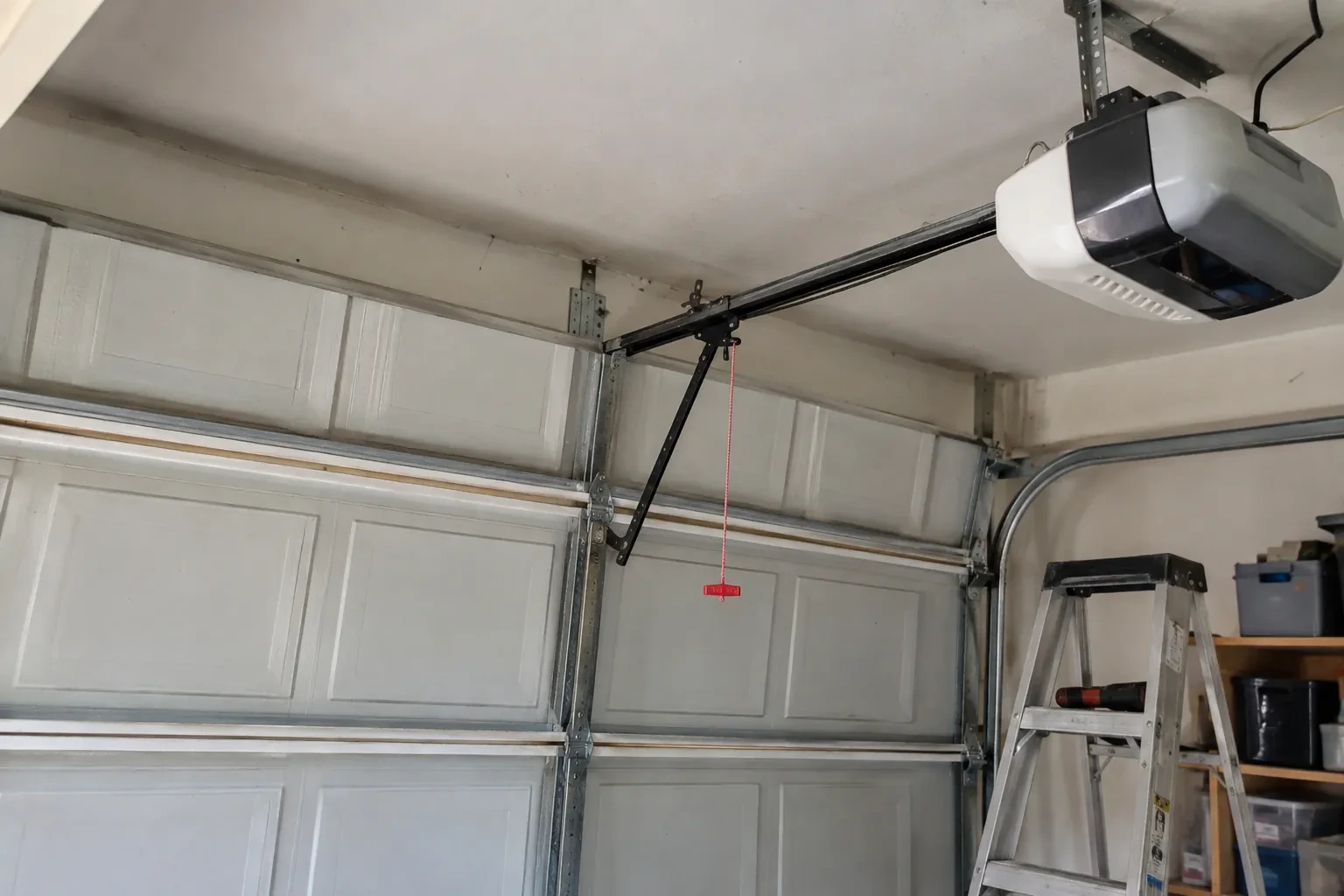
A manual lock earns its keep on the nights the power goes out. With the opener dead, the door comes down by hand on the release cord, and the slide bolt or T-handle is what holds it shut until morning. Winter tests these locks: meltwater freezes in the outside cylinder, salt spray stiffens the bars in their guides, and packed snow under the door lifts it just enough that the bolt misses its slot. Lock repair puts the mechanism right, treats the cylinder and bars so they shed moisture, and leaves you with a simple routine for outage nights.
How the visit goesThe power is out in a storm, you pulled the red cord and lowered the door by hand, and now you want to lock it. The slide bolt on the inside edge is welded in place by years of rust and refuses to budge.
Garage Door Manual Lock Repair
How the visit goes
What the household wants the lock for
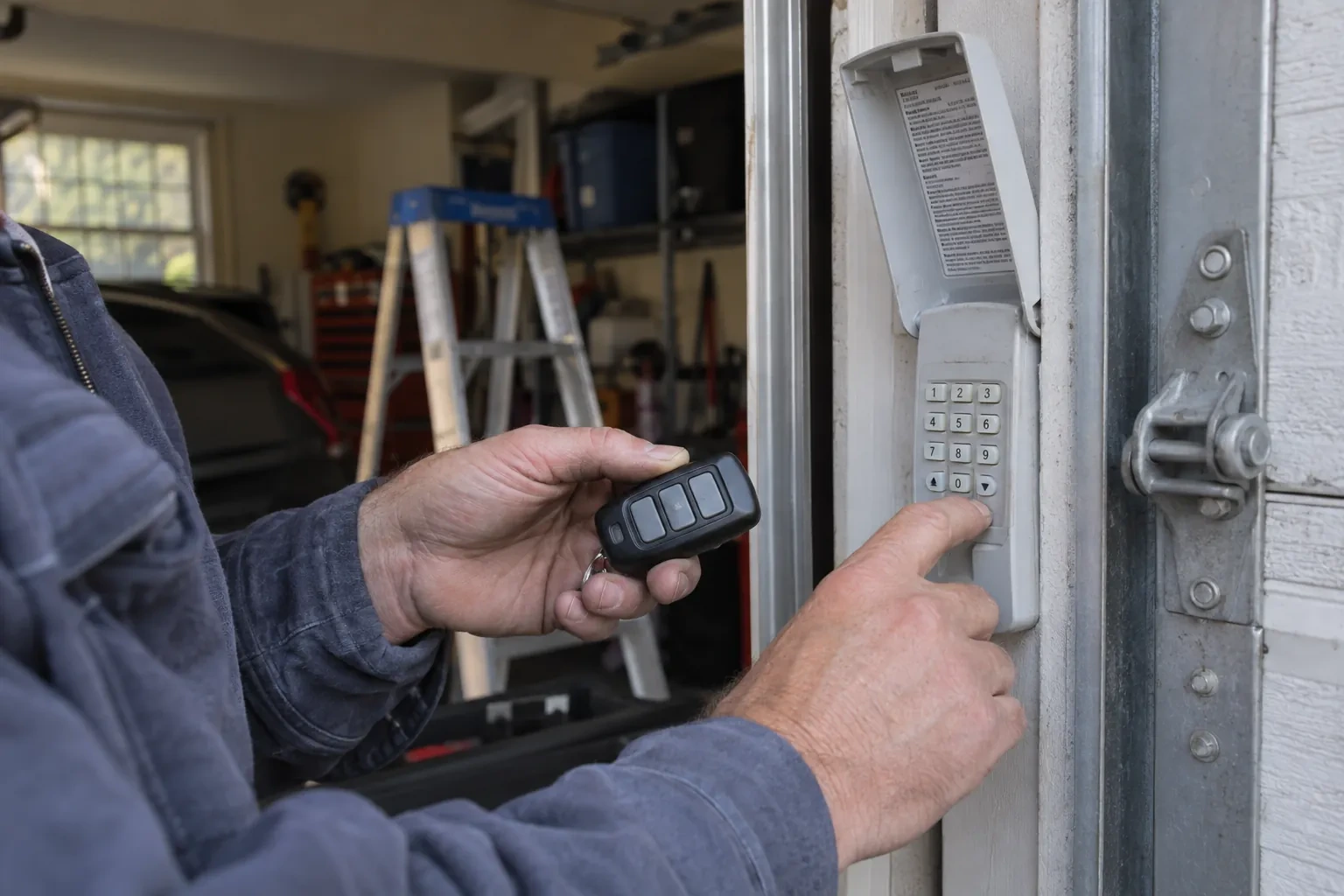
The last part of the first look is a conversation. Some people want a lock that is used every night; others want it only for power outages and holidays; others want a keyed handle they can open from the driveway when the remote is in the other car. Some want the garage keyed to the house key, and some want the lock gone and the opener's own lock-out used instead. Where a locked door has to be opened without a key, the technician also confirms the caller's connection to the property, a courtesy every neighbour benefits from. Knowing the intended use shapes which parts are fitted, how many keys are cut and what the handover covers.
Freeing and renewing the bars and guides
Bars that have stiffened are worked loose with penetrating oil and then cleaned back to bare metal, while guides packed with rust are removed, cleaned or replaced with new ones fixed into sound material. A bar that has kinked is replaced rather than straightened, since spring steel that has been bent once takes a set and binds forever after; the new bar is cut to suit the door's width so it reaches through the track with a comfortable margin and retracts fully clear. Both bars are set to the same throw so the door locks evenly on both sides. A light film of silicone on the bars, not grease, finishes the job.
Keys, spares and who holds them
If the cylinder was rekeyed or replaced you leave with new keys cut from the fresh pinning, usually two or three, each tested in the handle. Decide now who in the household carries one and where a spare lives; a lockbox or a trusted neighbour beats a hook inside the garage, since the door you are trying to open is the one the spare is behind. If the garage was keyed to match the house, test the shared key in every door before the technician goes. Note the cylinder type and keyway on the record, so future keys can be cut or the lock re-pinned without guesswork.
Garage Door Manual Lock Repair
In the van
Lock cylinder with tailpiece
Track lock-slot punch
Lock bar guides
Carriage bolts and backing plates
Inside slide bolt or snap latch
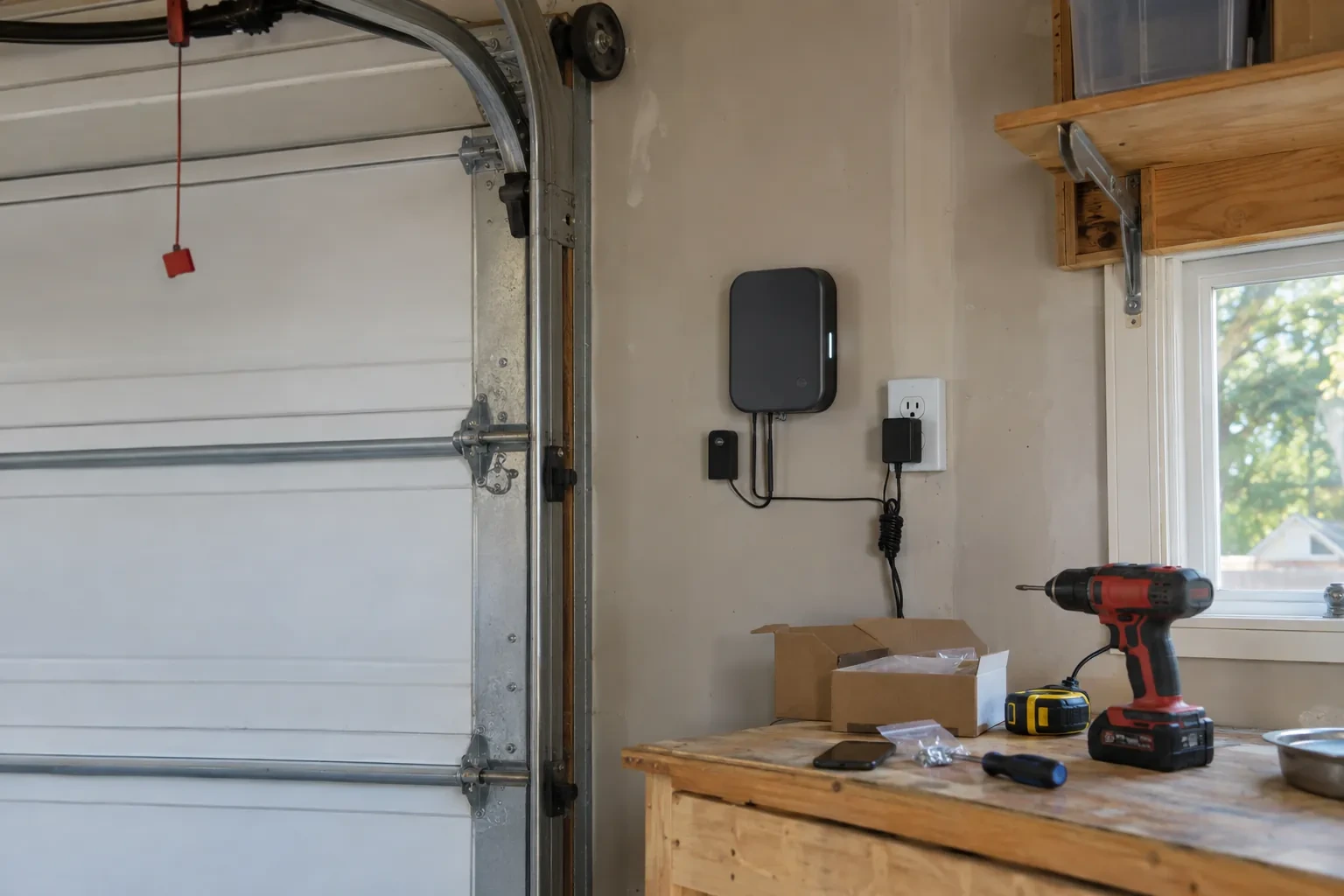
Garage Door Manual Lock Repair
What affects the quote
Door thickness and insulation
Insulated and thicker doors take longer spindles, longer through-bolts and sometimes a sleeve through the foam. Matching those parts to the door affects the parts list.
Related hardware noticed on the way
Worn rollers, a loose track bracket or a tired bottom seal seen while the door is being aligned are pointed out and offered as optional items, since they are easy to do in the same visit.
Steel skin or wood
Thin steel that has let the screws pull, or wood gone soft around the handle, calls for carriage bolts, backing plates or a filler block. That reinforcement is its own line in the quote.
What to have ready
- Do you have a key for the lock, and how many keys would you like?
- Would you like the garage lock keyed to match your house key?
- Is the door steel, wood or aluminum, and roughly how old is it?
Garage Door Manual Lock Repair: questions
QuestionsWhat kinds of manual locks are found on garage doors?
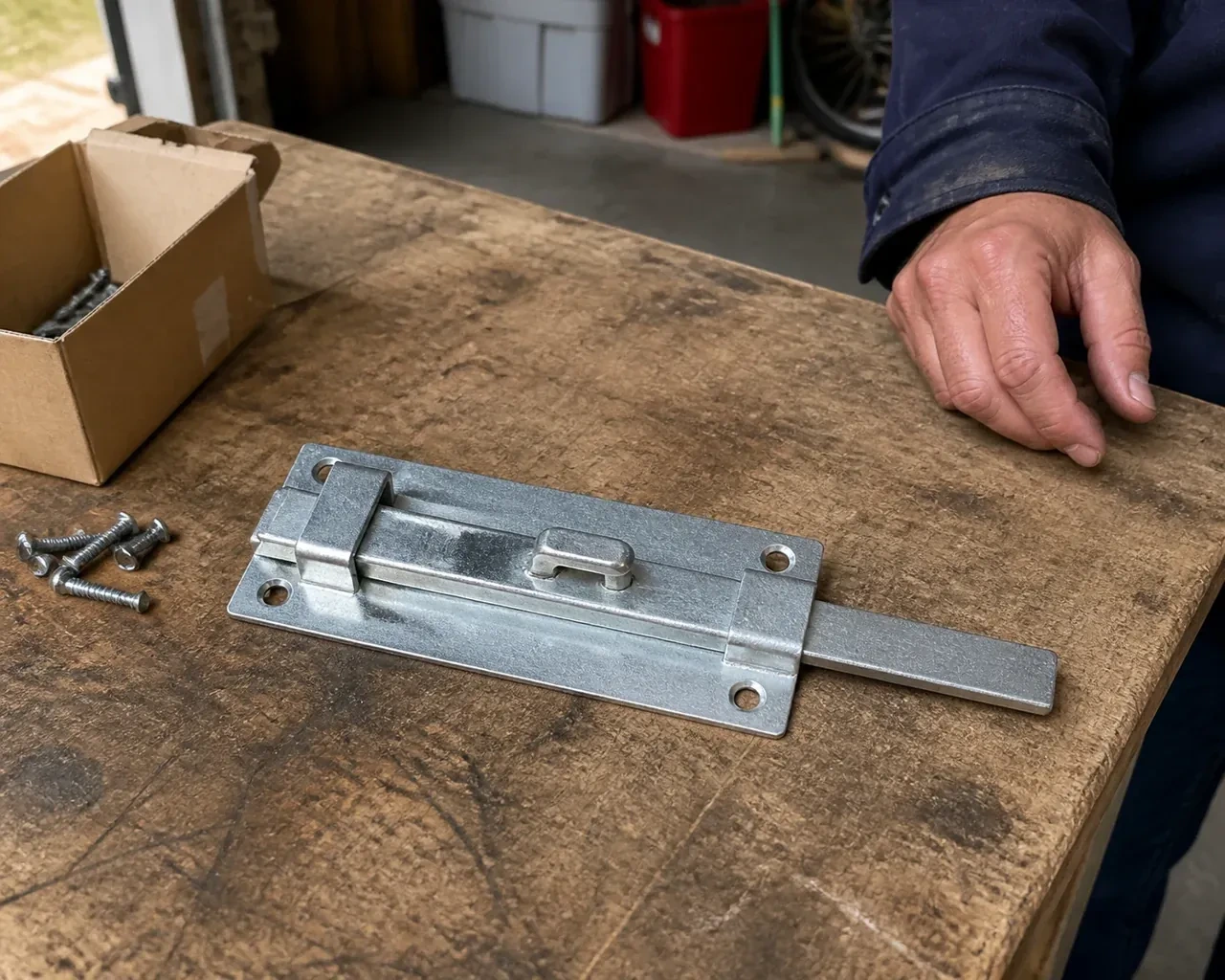
Two are common on sectional doors. An inside slide bolt sits on the door's edge and shoots sideways into a slot in the vertical track; some are spring-loaded snap latches that lock on their own when the door closes. An outside keyed T-handle turns a centre mechanism that throws a bar into each track, though some models pull a cable to release a spring latch instead. Some doors add a keyed cylinder on the side to work the slide bolt from outside.
What lubricant belongs on a garage door lock?
Dry graphite or a PTFE lock lubricant for the key cylinder, because oil traps grit and moisture in the pins. A light silicone film for the bars and their guides, wiped rather than dripping, so salt spray and slush have less to cling to. Grease is avoided everywhere on the lock, as it thickens in the cold and collects dirt that gums the action.
How do I keep the slide bolt from rusting solid again?
Keep the bottom corner it lives in as dry as you can: push slush away from the inside edge of the door through winter and wipe salt off the bar and guide on a mild day. A light silicone film in late autumn sheds meltwater. Work the bolt once a month even if you do not use it, since a bar that moves regularly stays free. Any stiffness is worth a call while it is still a small job.
Related services
- Garage Door Tune-UpThe door lands with a thud you can feel through the kitchen floor, and sometimes it bounces back up a few centimetres before settling.
- Off-Track Garage Door ResetYour car is inside and the door is stuck crooked across the opening.
- Garage Door Panel ReplacementA stray ball went through one of the window panes in the top section.