Garage Doors in Floradale, OntarioYou will knowbefore we start.
Nobody in Floradale should nod along to an explanation they did not follow. Before a tool comes out, the technician shows you the worn spring, the frayed cable or the stripped gear, tells you why it failed, and lays out the sensible choices side by side. The decision stays with you. This page also covers Glen Allan, Hollen, North Woolwich, Kumpfville, Quarindale, Winfield, Wyandot and Yatton.
Nobody in Floradale should nod along to an explanation they did not follow. Before a tool comes out, the technician shows you the worn spring, the frayed cable or the stripped gear, tells you why it failed, and lays out the sensible choices side by side. The decision stays with you. This page also covers Glen Allan, Hollen, North Woolwich, Kumpfville, Quarindale, Winfield, Wyandot and Yatton.
Careful work on heavy doors.
Customers in Floradale sometimes worry they will be sold a new door when a repair would do. Our practice is the opposite. Repairs are the first choice whenever the panels and frame are sound; replacement is recommended only when the door has genuinely reached its end, and we show you why.
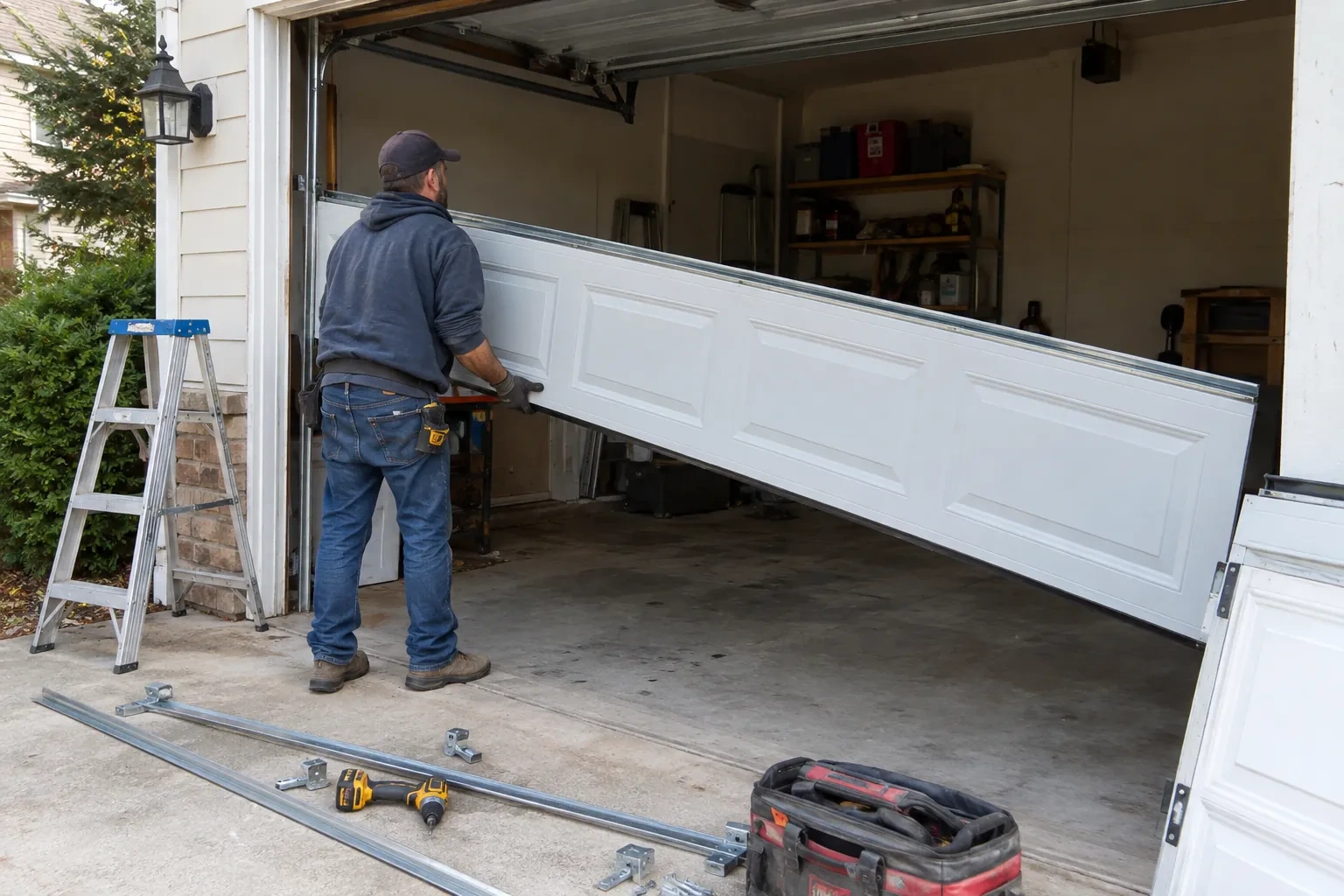
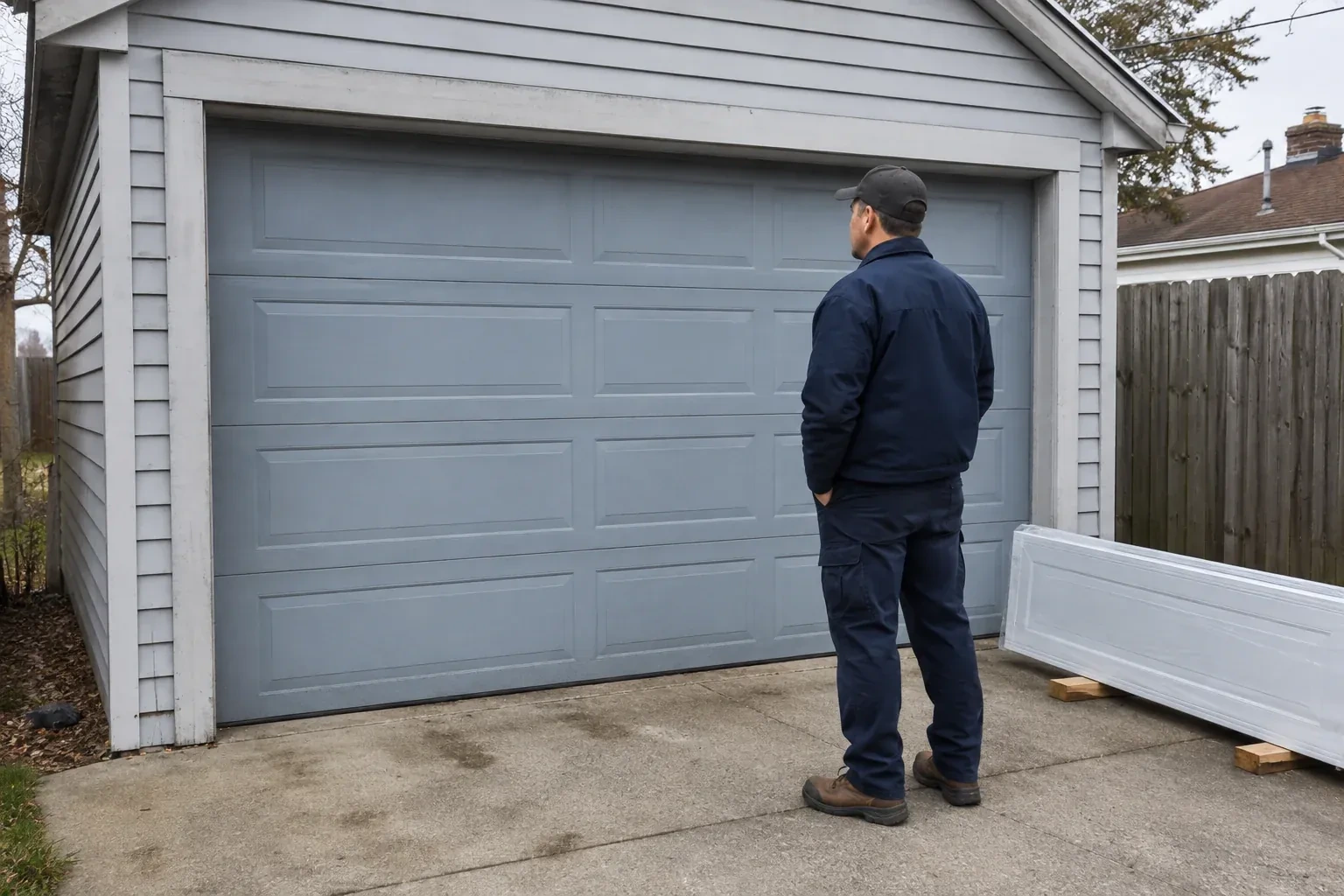
New builds and renovations in Floradale often need a garage door that suits the house as well as the garage. We measure the opening, check headroom and framing, and bring samples of insulated steel, carriage-house and full-view glass designs. The door is installed with care, balanced properly and set up with an opener that matches its weight and use.
20years in business
24/7open every day
Understanding first. We explain the fault in plain terms and check that it makes sense to you before moving on to the repair.
Respect for the space. Drop sheets, careful handling of stored items, and a full clean-up. We are guests in your garage and act like it.
Choices laid out plainly. Each option comes with what it involves, how long it tends to last and what it means for the opener and the rest of the door.
Ask about a new garage door for your Floradale home.
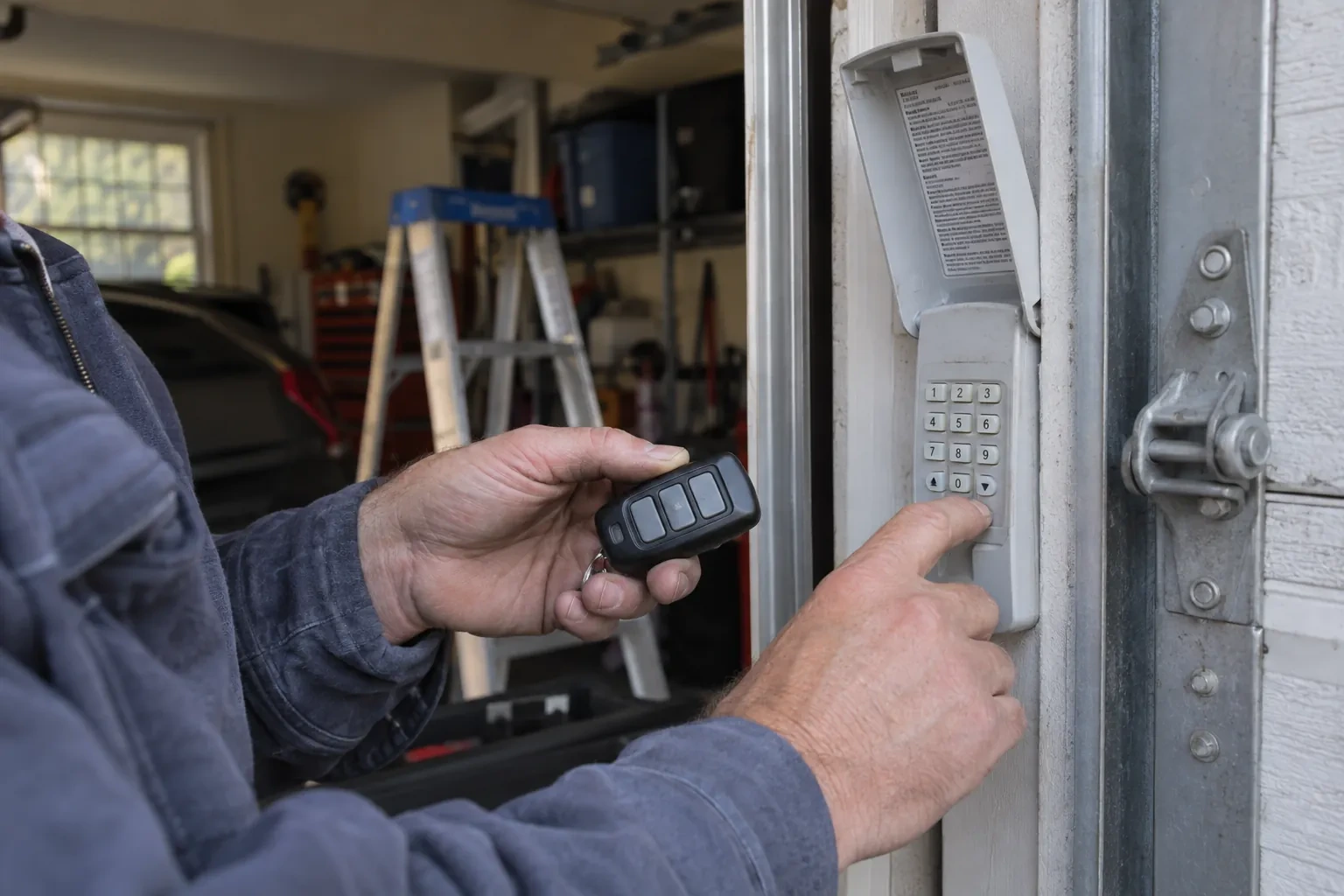
Garage door work for Floradale divides neatly into what we fix, what we replace and what we install. We fix tracks, hinges, openers and panels; we replace springs, cables, rollers, seals and sensors; and we install new doors, new openers and access equipment such as keypads and smart controllers.
About 47% of homes in Woolwich were built in 1980 or earlier, according to the 2021 Census.
Where homes of different ages sit together, the common thread is that every door eventually needs springs, rollers, seals and a balance check. What differs is the spring type and the size, so the technician measures and matches rather than fitting a standard part.
Single-detached houses make up about 76% of homes in Woolwich (2021 Census).
Mostly houses
Where houses are detached, a side door into the garage and an interior door into the house are common, so the garage door is one of several ways in. Making sure it closes fully, locks properly and has its old remote codes cleared keeps the whole house secure.
Lifting hardware fails in sequence: a dry bearing loads a cable, the cable frays at the drum, the drum groove wears, the spring works harder than it should. Catching the first link in that chain saves the rest.
Every morning the door announces itself: a rattle on the way up, a grinding squeal on the way down, loud enough that the neighbours know when you leave.
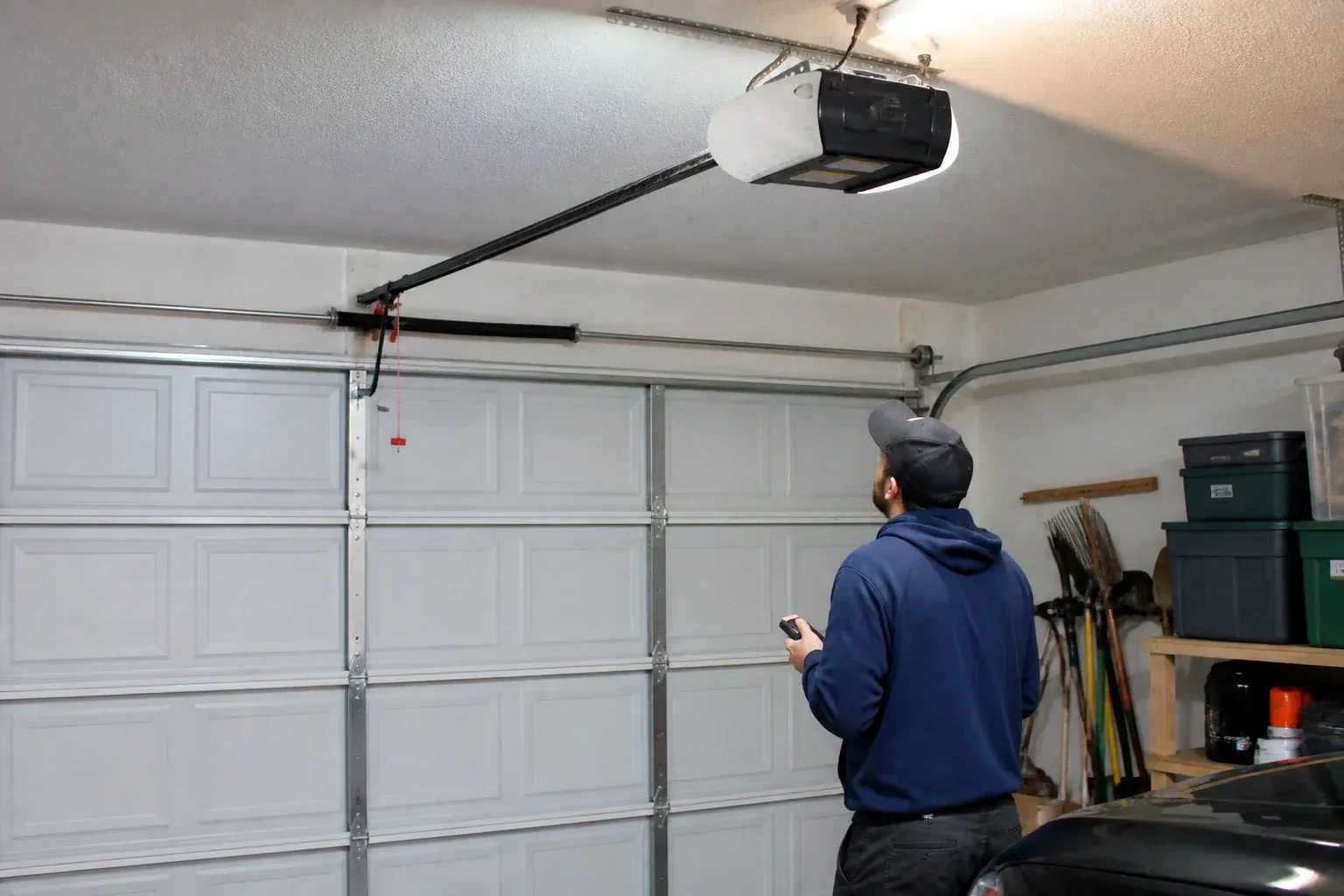
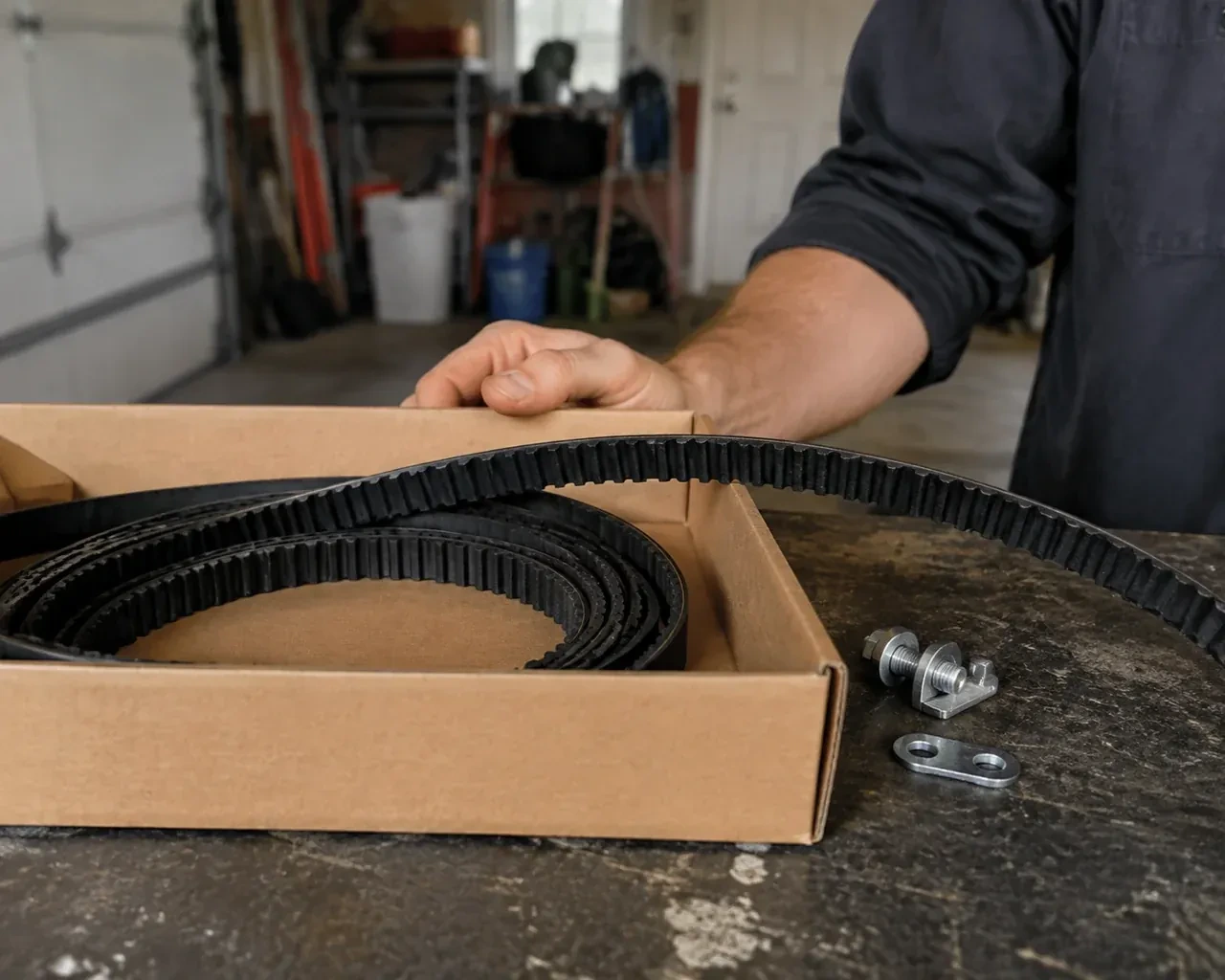
The door opens about a third of the way and stops. Turning the limit screw on the head has made no difference, and the trolley seems to sit in the wrong place along the rail when the door is fully closed.
It is minus twenty in the detached garage and the door climbs in jerks, the belt stiff as a board. By the afternoon, when the sun has been on the door, it runs almost normally again.
The bedroom above the garage shakes every morning at six when the chain drive fires up. Everyone in the house knows the moment someone leaves for work.
After a cold night the door stays open until the garage warms up. There is frost on the sensor lenses and a ridge of salty slush piled against the brackets where the snow blower was parked.
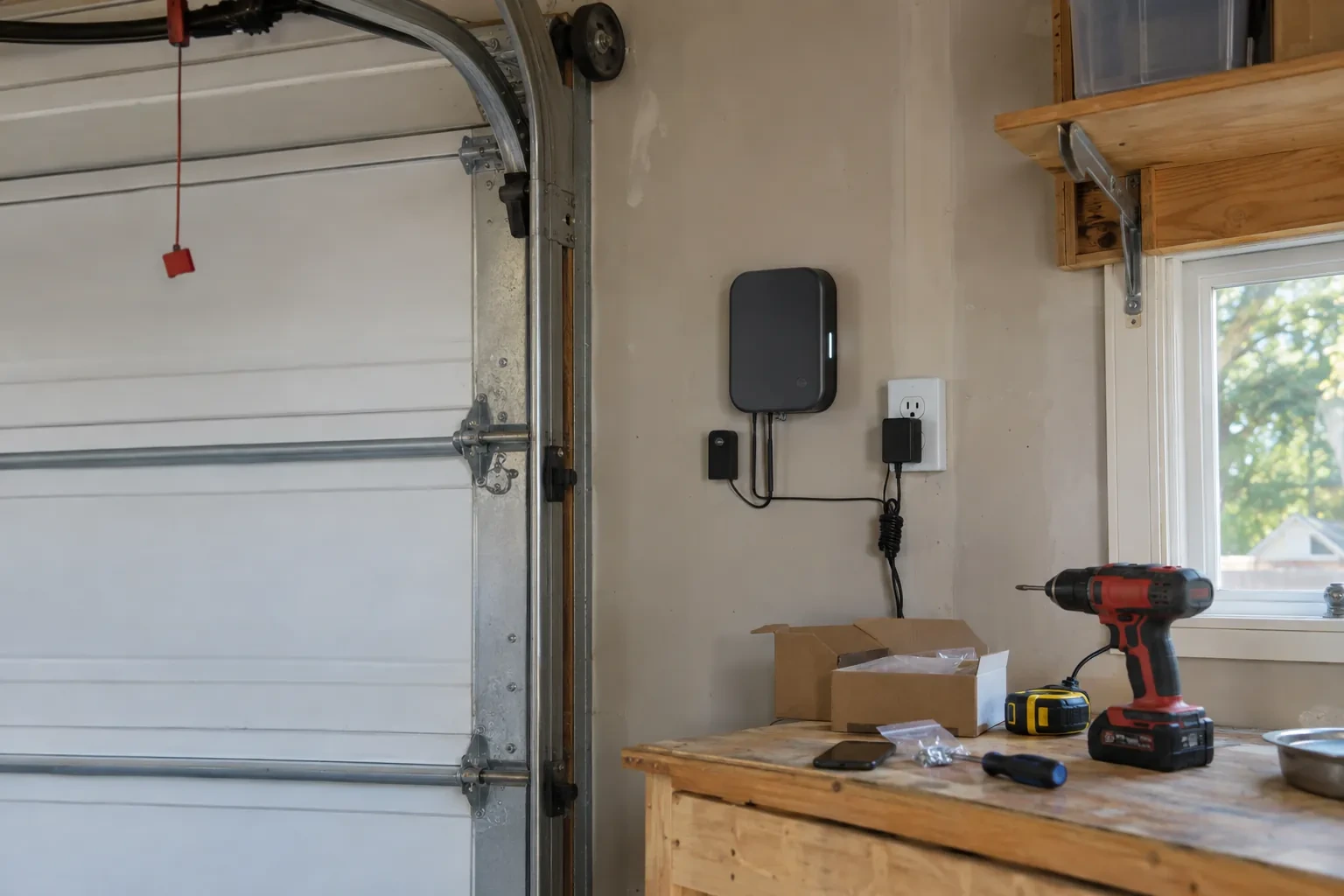
There is a wireless symbol printed on the opener above the car, and the manual mentions an app, but the head unit has never been connected to anything. You downloaded the app once, it asked for a serial number and a network, and the moment passed.
It is the coldest morning of the year. A week of slush and road salt has crusted over the outside release lock, the key will not seat, and the opener inside is silent after the overnight outage.
Which fix fits?
Since the first cold snap the door has been sluggish.
WhyThe release only earns its keep on a door that behaves once it is free of the opener, so the visit starts with the door closed and a balance test rather than with the handle.
Several sections are rusting along their lower edges, and one has begun to bow.
WhyHigh-lift and vertical-lift doors need repair methods suited to their track geometry.
How a visit goes
Describe the property, the hardware and what has changed, and the visit starts from what you have seen.
01
Your call, your words
There is no wrong way to describe a garage door problem. Tell us what you saw and heard; we ask the follow-up questions.
02
Finding the real cause
A door that stops halfway can be a sensor, a spring or a stripped gear. We test each possibility rather than assuming the obvious one.
03
Putting it right
The technician fits the correct parts, adjusts the opener to the door, and shows you the result running through full cycles.
An entrance. Not an afterthought.
1/10Garage Door Tune-Up
Since the first cold snap the door has been sluggish. It climbs slowly, hesitates near the top and the opener motor sounds strained. On the coldest mornings it opens a hand's width, thinks about it, and comes back down.
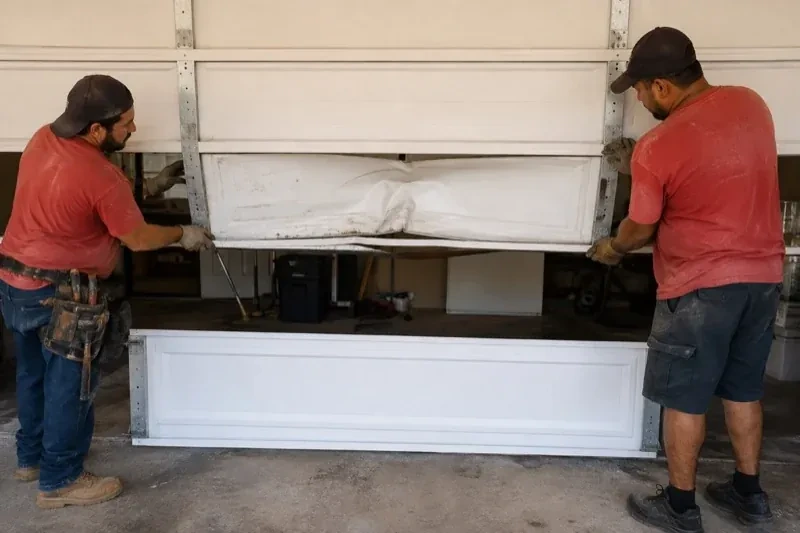
A delivery van backed into the shop's overhead door this afternoon. The lower panel is pushed in, the track on that side is kinked, and the door is hanging unevenly with staff unable to close up for the night.
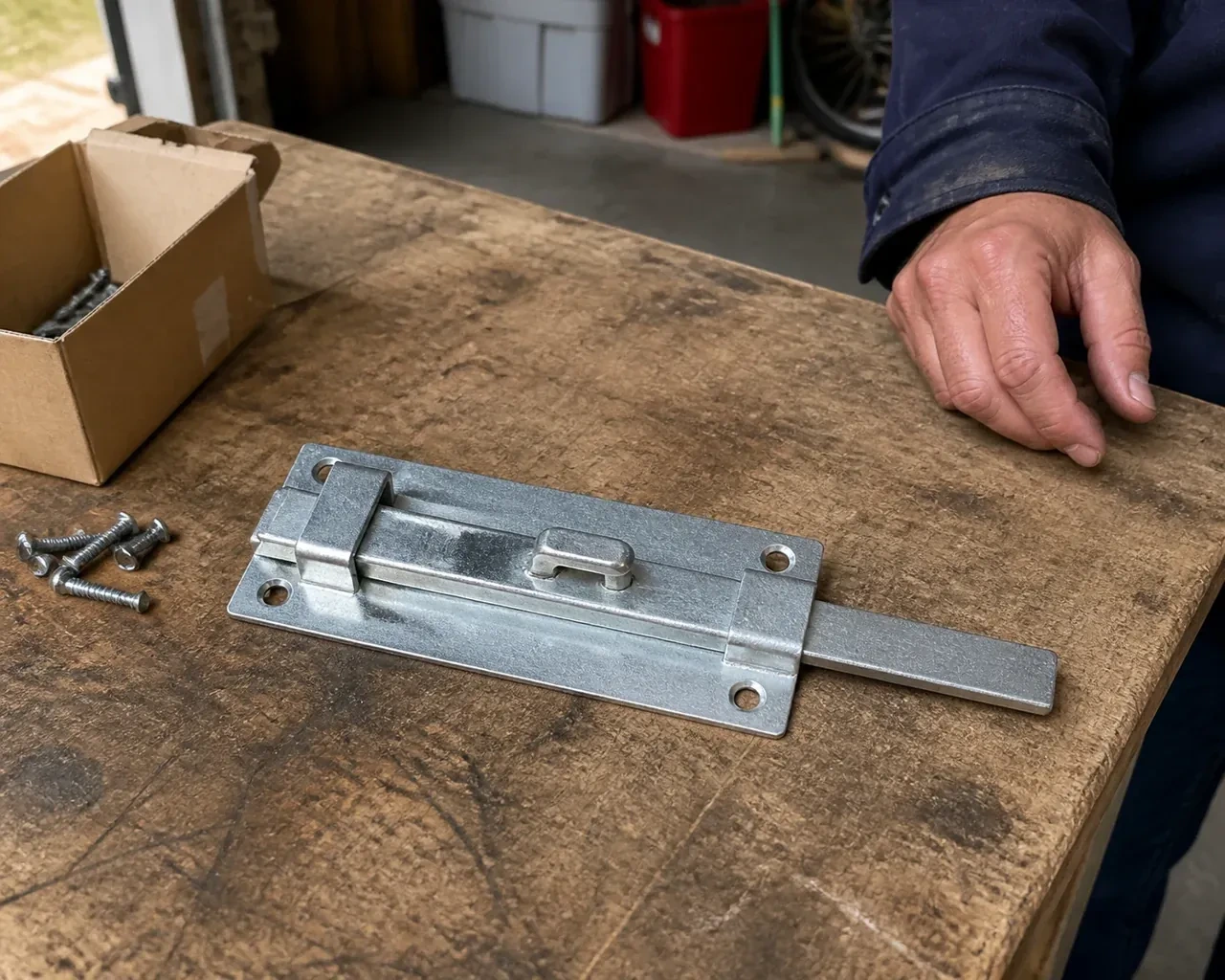
You pushed the slide bolt across like always, but tonight it stops short of the slot in the track and springs back. The door is down, the bottom seal is on the concrete, yet the bar and its hole are a finger's width apart.
The garage floor has settled at one corner, and the door now scrapes the concrete on that side while daylight shows at the other. The track on the low side sits crooked against a jamb that has split.
Someone replaced the springs a while back and the door has bounced at the top ever since. It slams open against the stops, then creeps down a few inches, and the opener trolley rattles because the door is pushing where it should be resting.
It is a January morning and the door lifts about a hand's width, groans, and settles back down. When you pull the release and try by hand the door feels far heavier than it used to, and the bottom seal is stuck hard to the slab.
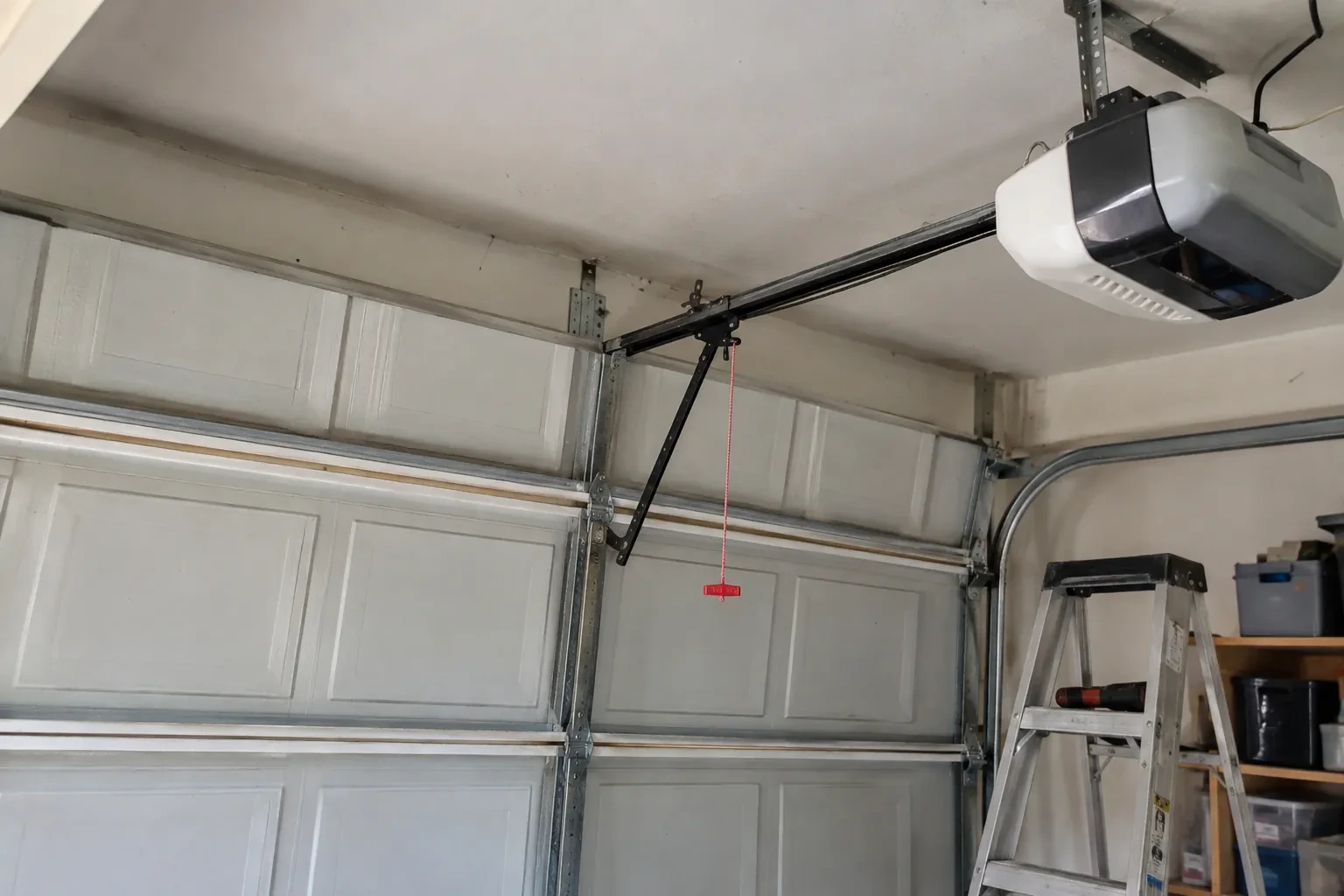
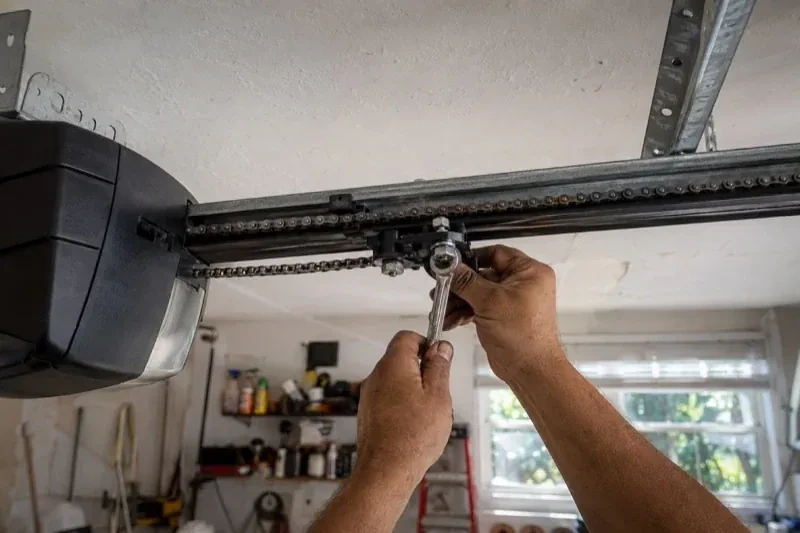
The rail shakes when the door runs. The steel straps holding it to the ceiling have worked loose, the chain rattles the length of the garage, and a bolt has already dropped onto the hood of the car.
A previous owner knotted the release cord around the rail and stacked storage shelves right beneath it. You only discovered this in the dark, with the power off, a flashlight in your teeth and a car that needed to be somewhere.
Several sections are rusting along their lower edges, and one has begun to bow. The door still travels, but its tired panels, widening gaps and uneven finish now make the whole entrance look overdue for renewal.
A forklift clipped the bottom panel while backing through the bay. The section is creased near an end stile, the lower roller rubs the track, and daylight now shows along one corner when the door closes.
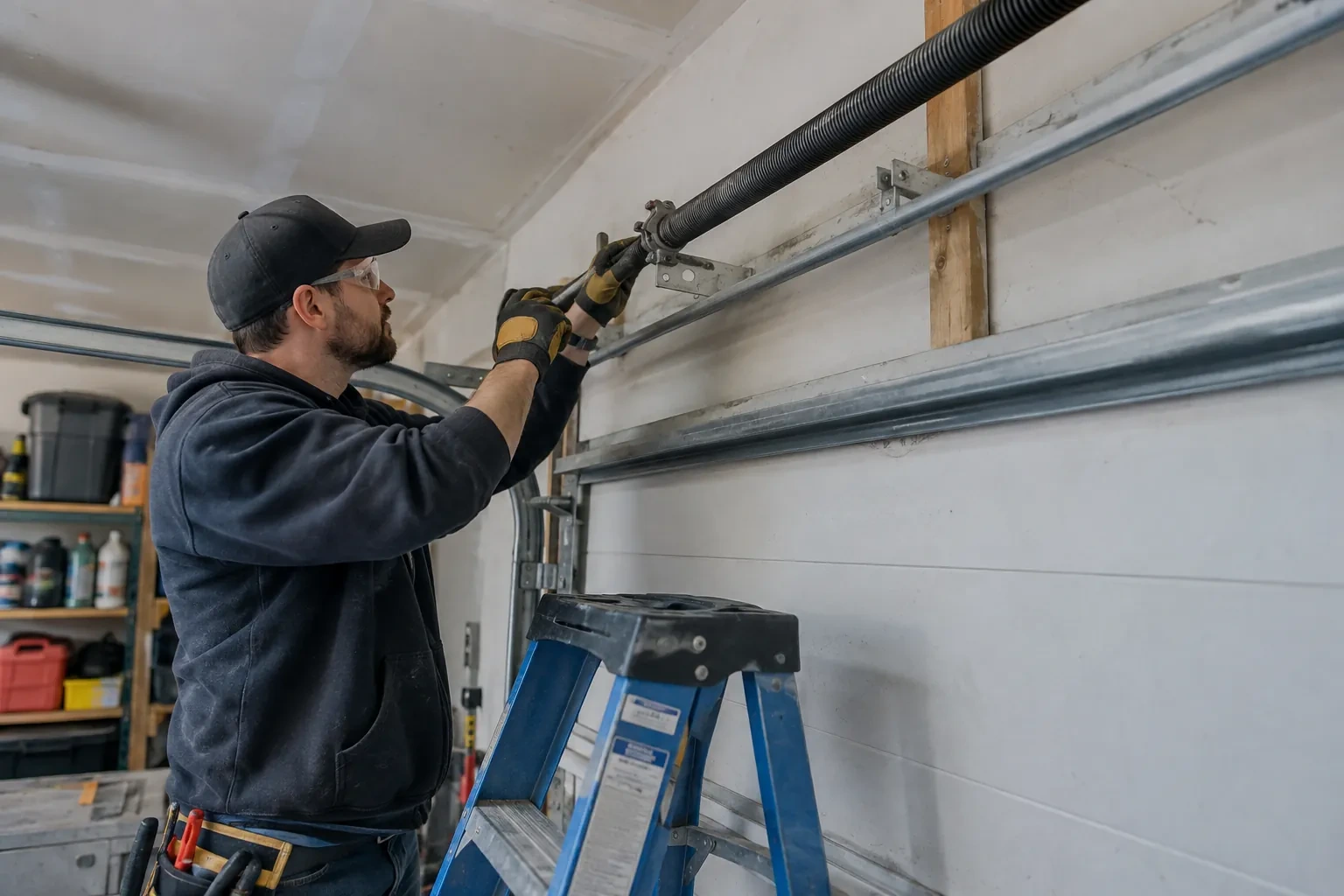
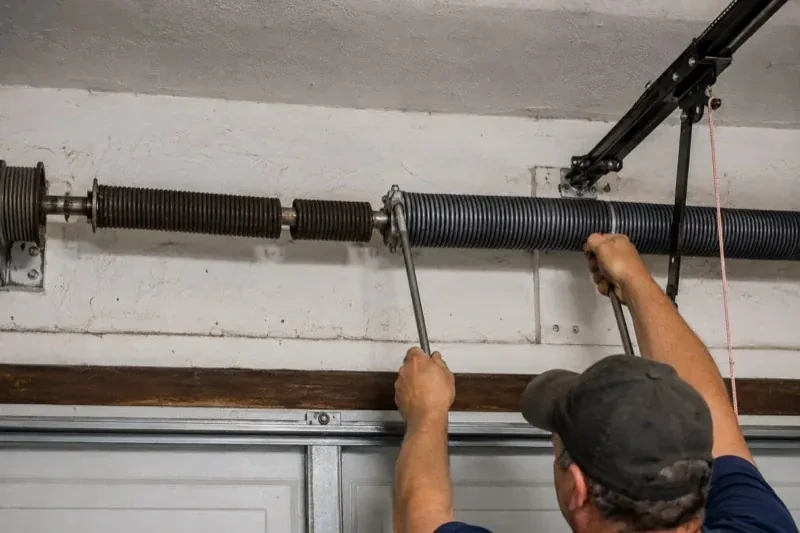
Springs are inspected and lubricated during a tune-up, and the balance test tells us whether they are carrying the door's weight properly. Changing their tension is a separate, deliberate job: the door is clamped to the track, winding bars are used on a torsion spring, and the technician works from a stable position. If the balance check shows the springs need adjustment or replacement, you receive that as its own recommendation with its own quote.
I only tapped the door with the bumper. Why is it off its track?
A sectional door is strong in the direction it travels and surprisingly easy to push sideways at a single roller. A light nudge on the bottom section can flex the track lip enough for the roller to slip out, after which the section twists and the rollers above follow. The good news is that this kind of event usually leaves the cables and springs alone, so the reset is often rollers, a re-formed track lip and a hinge check.
What lubricant belongs on a garage door lock?
Dry graphite or a PTFE lock lubricant for the key cylinder, because oil traps grit and moisture in the pins. A light silicone film for the bars and their guides, wiped rather than dripping, so salt spray and slush have less to cling to. Grease is avoided everywhere on the lock, as it thickens in the cold and collects dirt that gums the action.
Can I hammer the track back myself?
A track is under load from the door resting in it and, at the top, from the spring shaft on the flag bracket, so working on it means securing the door and sometimes unloading the springs first. Freehand hammering also tends to push a dent into a ripple that a roller feels even more. The technician clamps the door, shapes the steel in small steps with a block or track pliers, and gauges the result with a roller.
How long do garage door springs last?
Springs are rated in cycles, one cycle being an open and a close. A standard residential spring is commonly rated for around ten thousand cycles, which for a family using the door several times a day works out to roughly seven to ten years. Higher-cycle springs are available. As a spring nears its rating it loses tension, which is often why a balance adjustment is needed.
Why does the door stop just above the floor and reverse?
Two usual reasons. The travel limit is set a fraction too long, so the door reaches the slab, meets it harder than expected and interprets that as an obstruction. Or the bottom seal has stiffened or frozen and the last few centimetres take more force than the setting allows. Both are adjusted after the door is checked for balance, and the fix is confirmed by closing the door several times and running the contact reversal test.
My opener is decades old. Can the chain drive still be repaired?
Often, yes. Gear kits, sprockets, chains and trolleys are still made for many older heads, and tension, phase and limits can be set on almost any unit. The limit is parts: some makers no longer support units made before the mid-1990s, and those also lack the photo-eye protection expected today. The technician checks parts availability for your model and lays out repair beside renewal so you can decide with the facts.
I pulled the release and the door was very heavy. Is the release broken?
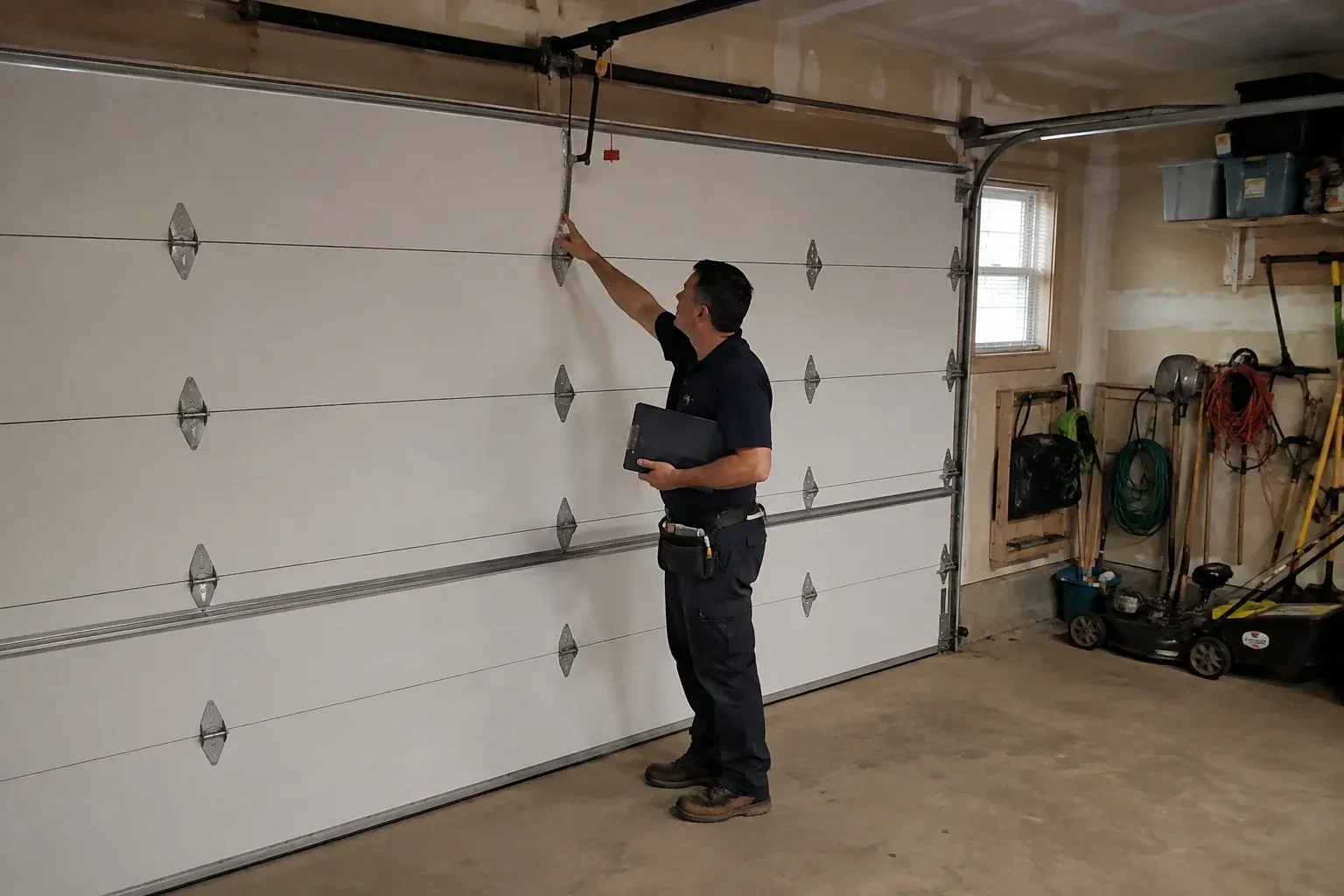
The release did its job; the weight is the door telling you its springs are no longer carrying it. A balanced door lifts with modest effort and holds still at about a metre. A heavy one needs the counterbalance looked at, which is work with winding bars for a technician trained for tensioned hardware. During the visit the door side is corrected first, then the release is put back into use on a door that lifts as it should.
How is installation timing planned?
Timing is set after the door specification, site preparation, access and delivered components are confirmed. A straightforward opening and a project needing framing, electrical coordination or unusual track geometry have different sequences. The proposal should identify prerequisites and installation scope so the visit is scheduled around a ready opening and a verified door package.
Does a torn bottom seal always mean a seal-only repair?
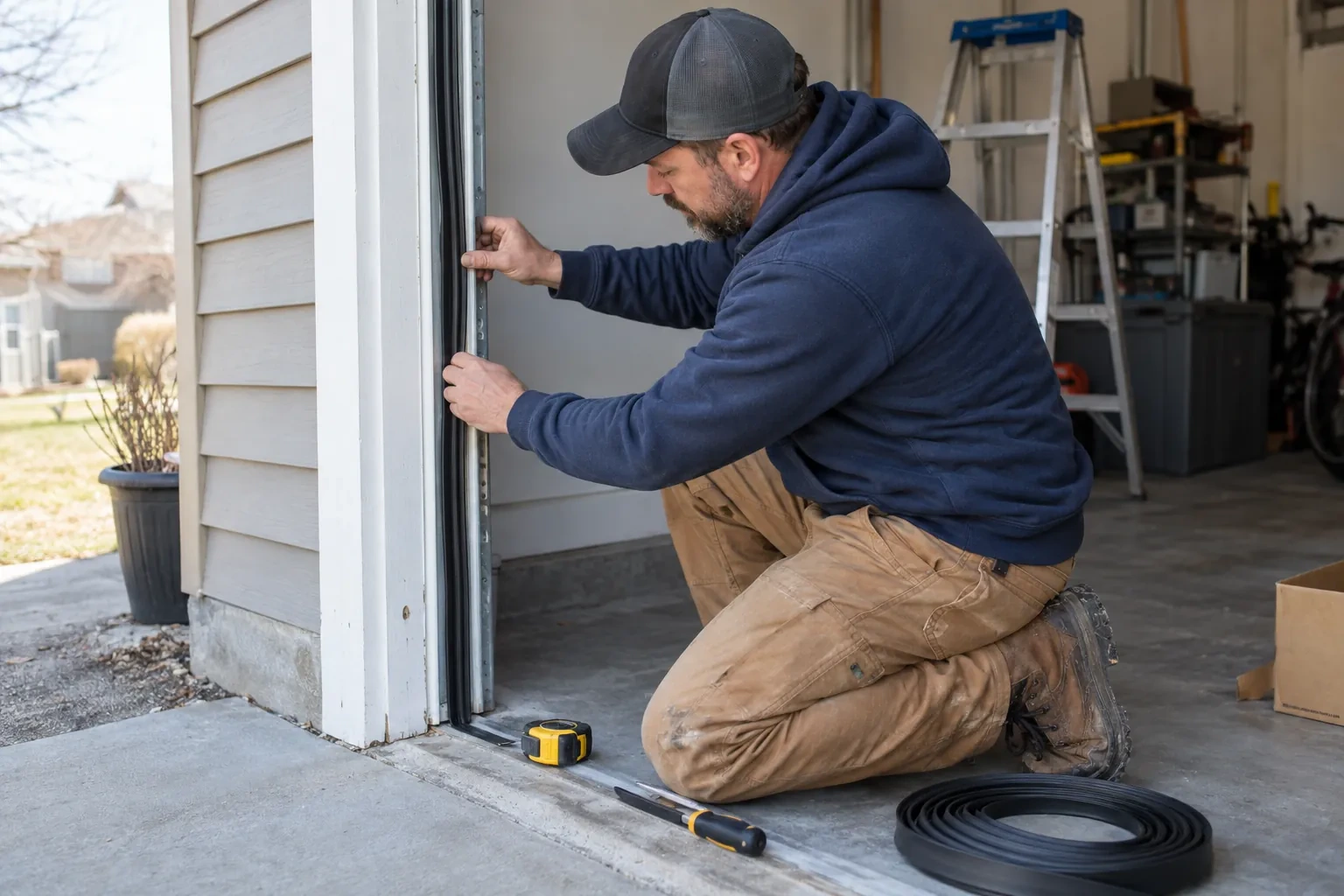
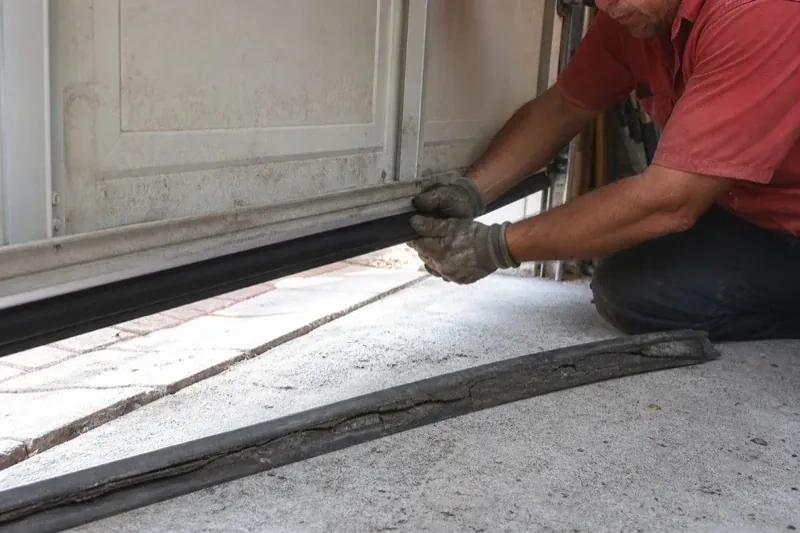
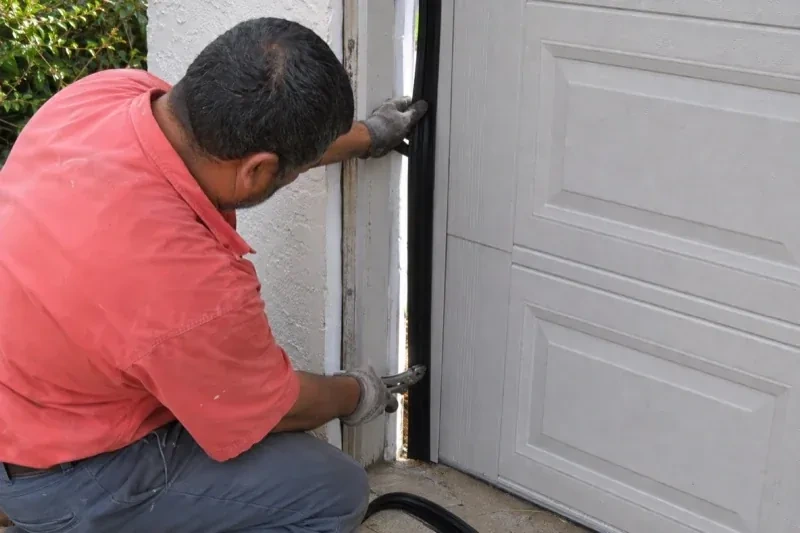
Not always. The rubber may simply be worn, but a bent retainer, uneven floor, crooked door or impact-damaged bottom section can produce the same gap. The technician checks how the door lands before replacing material. Correcting level or retainer shape first allows the new seal to contact evenly without being stretched to compensate for another fault.
Request a visit
Customers in Floradale sometimes worry they will be sold a new door when a repair would do. Our practice is the opposite. Repairs are the first choice whenever the panels and frame are sound; replacement is recommended only when the door has genuinely reached its end, and we show you why.