Openers · Woolwich
Garage Door Remote and Keypad Programming
The outdoor keypad worked all summer.
In plain words
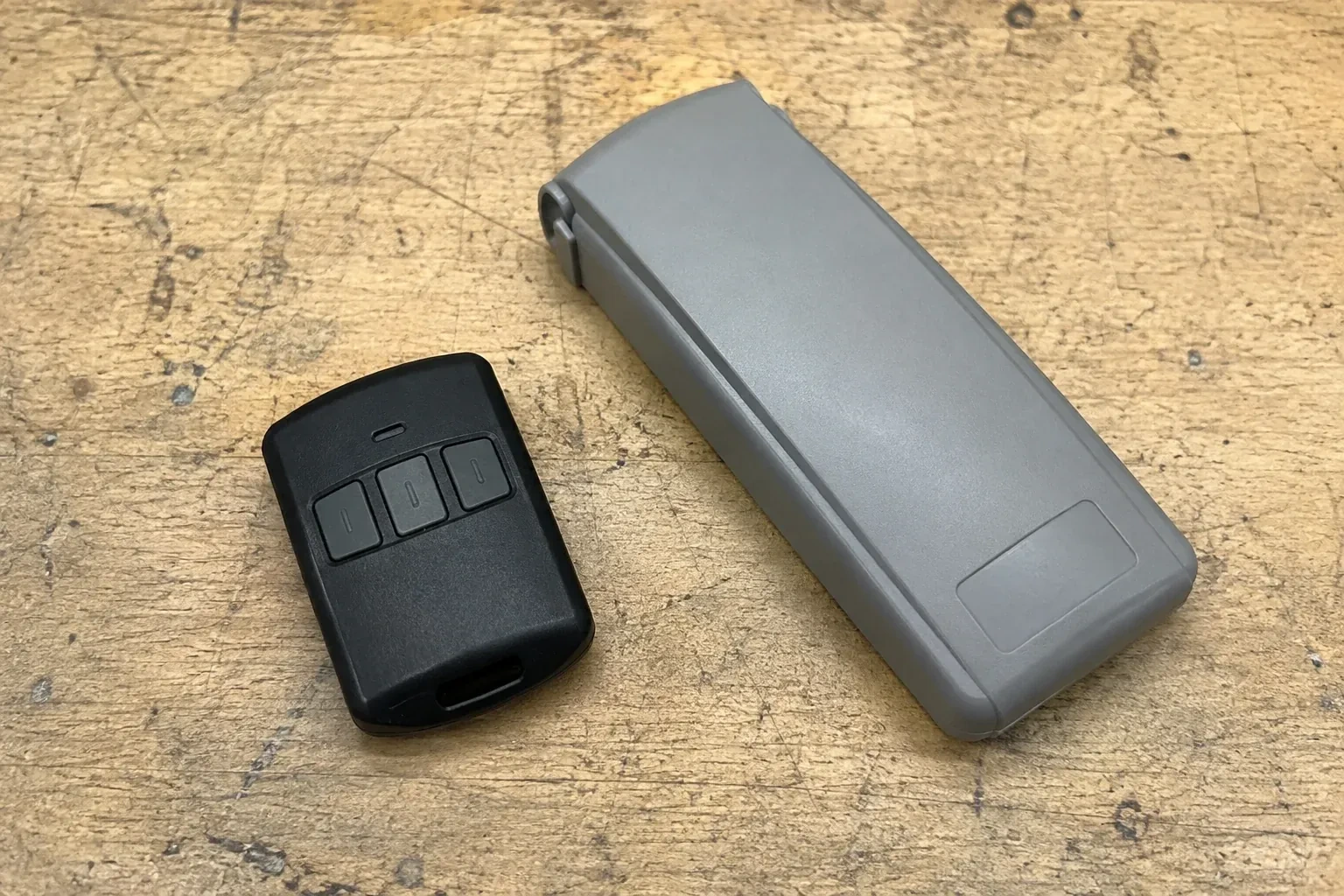
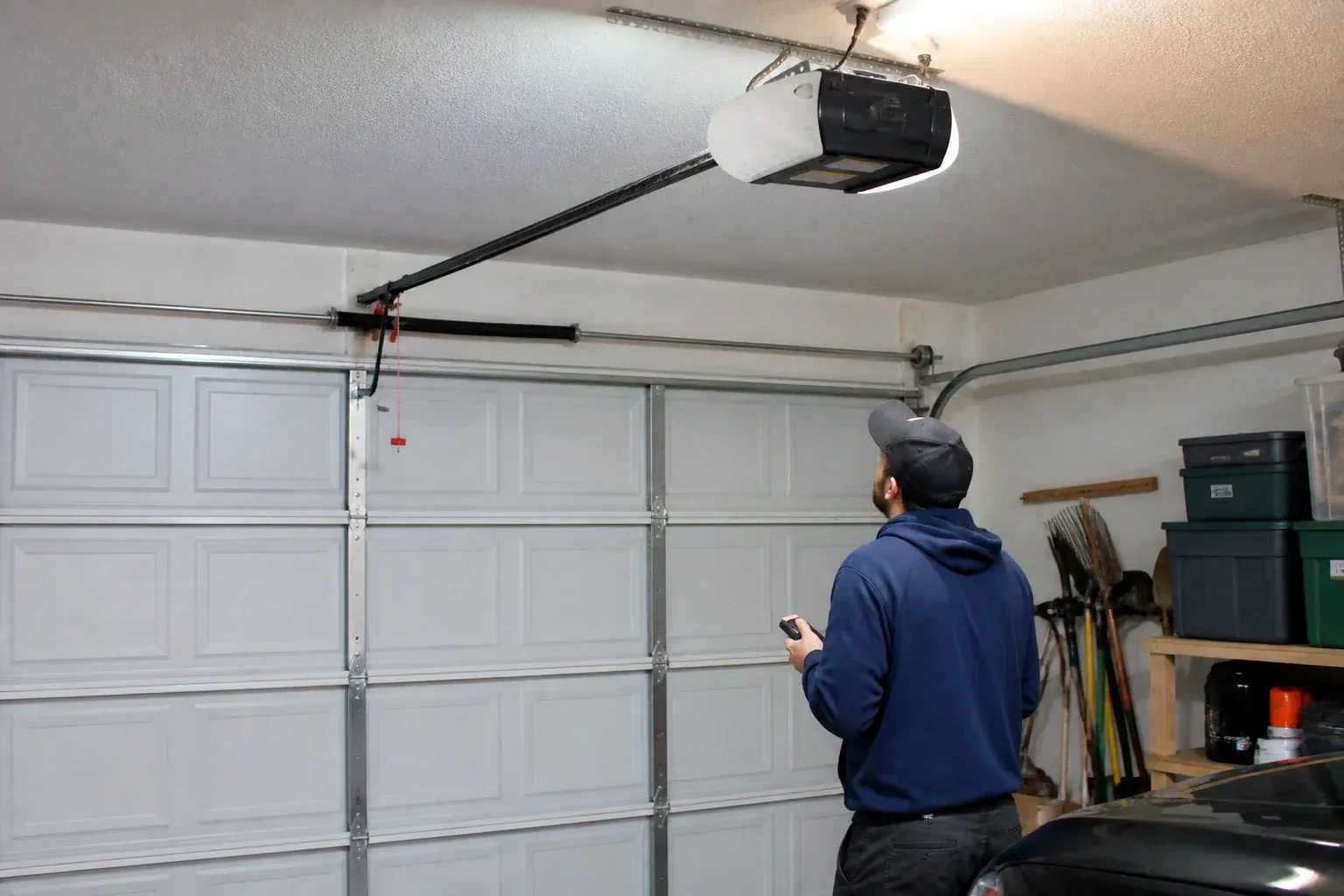
Remote and keypad programming is the service that decides which controls open your garage door and which ones no longer can. Inside the opener is a receiver with a memory of every remote, keypad and vehicle button it trusts. The technician adds new controls to that memory through the learn or program button on the head unit, removes old ones by clearing it, and tests every device at the door. Before any of that, the opener itself is checked, because a remote can only be programmed to a unit that is powered, out of lock mode and closing safely on its sensors.
How the visit goesSomeone in the family tried to add a remote, held the button on the ceiling unit a little too long, and now every remote in the house is dead at once. The wall control still moves the door. The remotes act as if they were never programmed.
Garage Door Remote and Keypad Programming
How the visit goes
Range, bulbs and the antenna
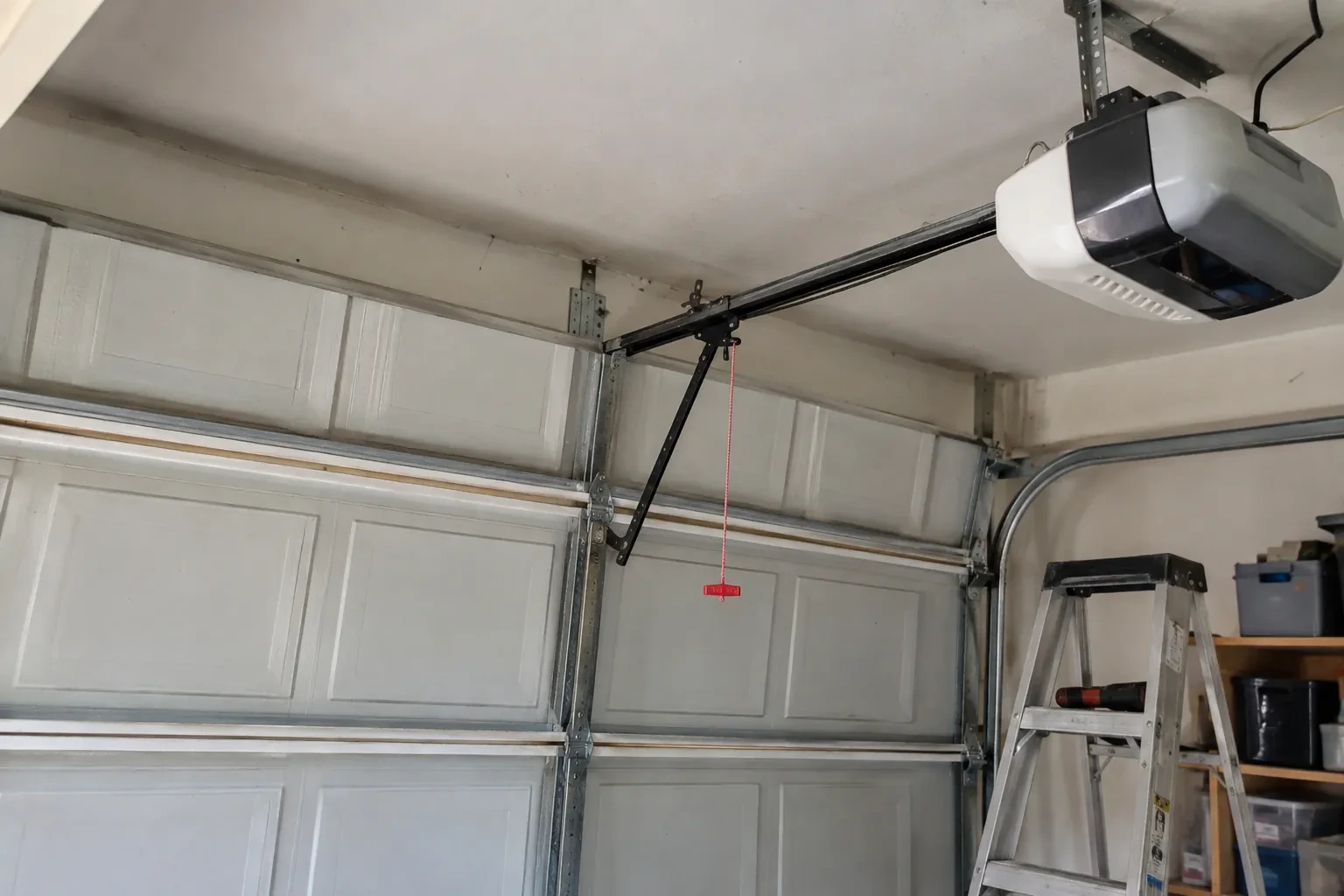
When remotes work only from directly beneath the opener, the technician checks the radio environment. LED bulbs, especially ones screwed into the head unit's own sockets, can emit noise that swamps the receiver, and swapping in a different bulb often restores range on the spot. The antenna wire should hang straight down from the head unit, not be coiled up or tucked behind the cover. Nearby electronics, a new metal shelving unit or a car parked with its own transmitter can also matter. A range test with a fresh remote at set distances puts numbers on the problem before any part is blamed.
Proving the door is safe after programming
Every programming visit ends the same way, because a control that moves the door is also a control that can close it on something. Each remote button, each keypad code, each vehicle button and the wall control are operated in turn while the technician watches the full travel. Then the door is closed onto a 2x4 lying flat on the floor and must return to open on contact, and closed again while an object passes through the photo-eye beam, which must stop and reverse it. Only when both tests pass is the work signed off and the controls handed over.
Batteries, and when to change them
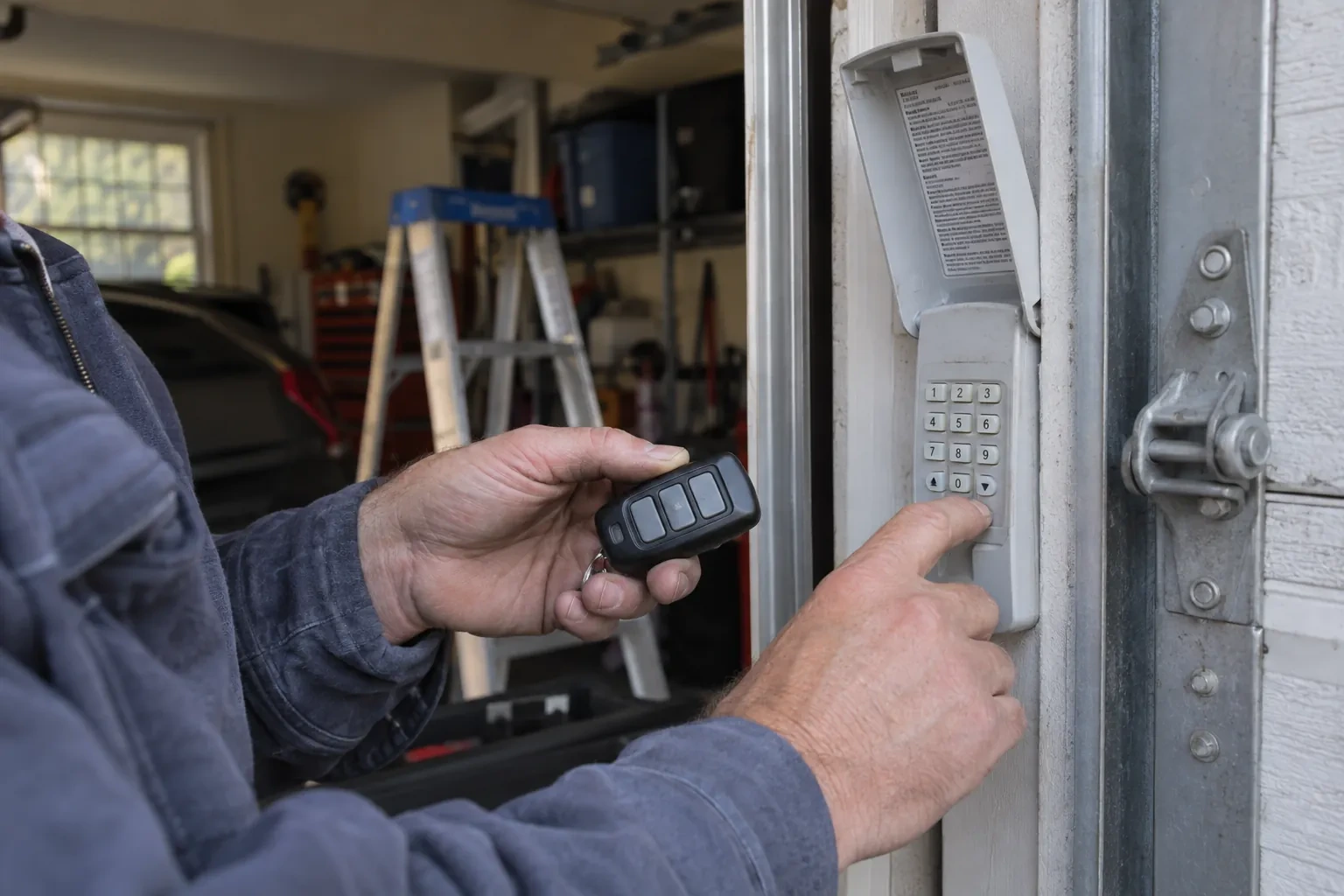
Each remote and keypad leaves with a fresh cell of the type the maker specifies, and you know what those types are, since a coin cell in a remote and the small cells in a keypad are different. The first sign of a fading remote is shrinking range rather than sudden silence, so a remote that needs you closer than it used to is asking for a battery. Outdoor keypads are hardest on cells in the cold months; changing them each autumn saves a frozen-morning surprise. Rechargeable cells are not recommended for many keypads, and the record notes that.
Garage Door Remote and Keypad Programming
In the van
Wireless outdoor keypad
Multi-door keypad
AAA and nine-volt keypad batteries
CR2032 and CR2016 coin cells
Receiver transformer and two-conductor wire
Garage Door Remote and Keypad Programming
What affects the quote
Clearing and rebuilding the memory
Erasing all stored controls after a move or a loss, then reprogramming every remaining device and vehicle, takes longer than adding one remote, and the quote says so.
Keypad supplied or existing
Programming a keypad already on the wall is one task. Supplying and mounting a new one, including anchors for brick or siding, is a larger item.
Add-on receiver for an older opener
Converting a fixed-code opener means a receiver kit, wiring to the wall-button terminals and new remotes, quoted as an upgrade rather than a programming call.
What to have ready
- Do you have a keypad outside, and does anyone still know its code?
- Have the bulbs in the opener been changed to LEDs recently?
- Is the light on the wall control blinking steadily?
Garage Door Remote and Keypad Programming: questions
QuestionsIs the door tested for safety after programming?
Yes, every time. Each new control is operated while the technician watches the door's full travel, then a 2x4 is laid flat under the door and the door must climb back up on touching it, and a broom handle passed through the photo-eye beam during a second close must stop and reverse the door. A remote is a way of moving a heavy door, so the visit ends only when both tests pass.
Why does the outdoor keypad struggle in winter?
Small batteries lose output in sustained cold, so a keypad that was fine in autumn can light dimly and transmit too weakly when mornings drop below freezing. Frost and road salt also find their way into buttons and battery contacts over the years. Fresh cells fitted each autumn, clean contacts and a keypad with its slide cover closed carry most households through the season.
Why won't the new remote I bought pair with my opener?
Most often because it belongs to a different radio generation. Openers have changed their radio format several times since the mid-1990s, and a remote built for one format is silent to a receiver from another. On many makes the colour of the learn button, together with the model label, identifies your generation, and the maker's compatibility chart names the remotes that match. A universal remote that covers several generations is another route. Once the two sides share a format, pairing takes moments.
Related services
- Chain-Drive Opener RepairThe door opens about a third of the way and stops.
- Belt-Drive Opener RepairIt is minus twenty in the detached garage and the door climbs in jerks, the belt stiff as a board.
- Garage Door Opener ReplacementThe bedroom above the garage shakes every morning at six when the chain drive fires up.