Garage Doors in Heidelberg, OntarioNew siding.New door to match.
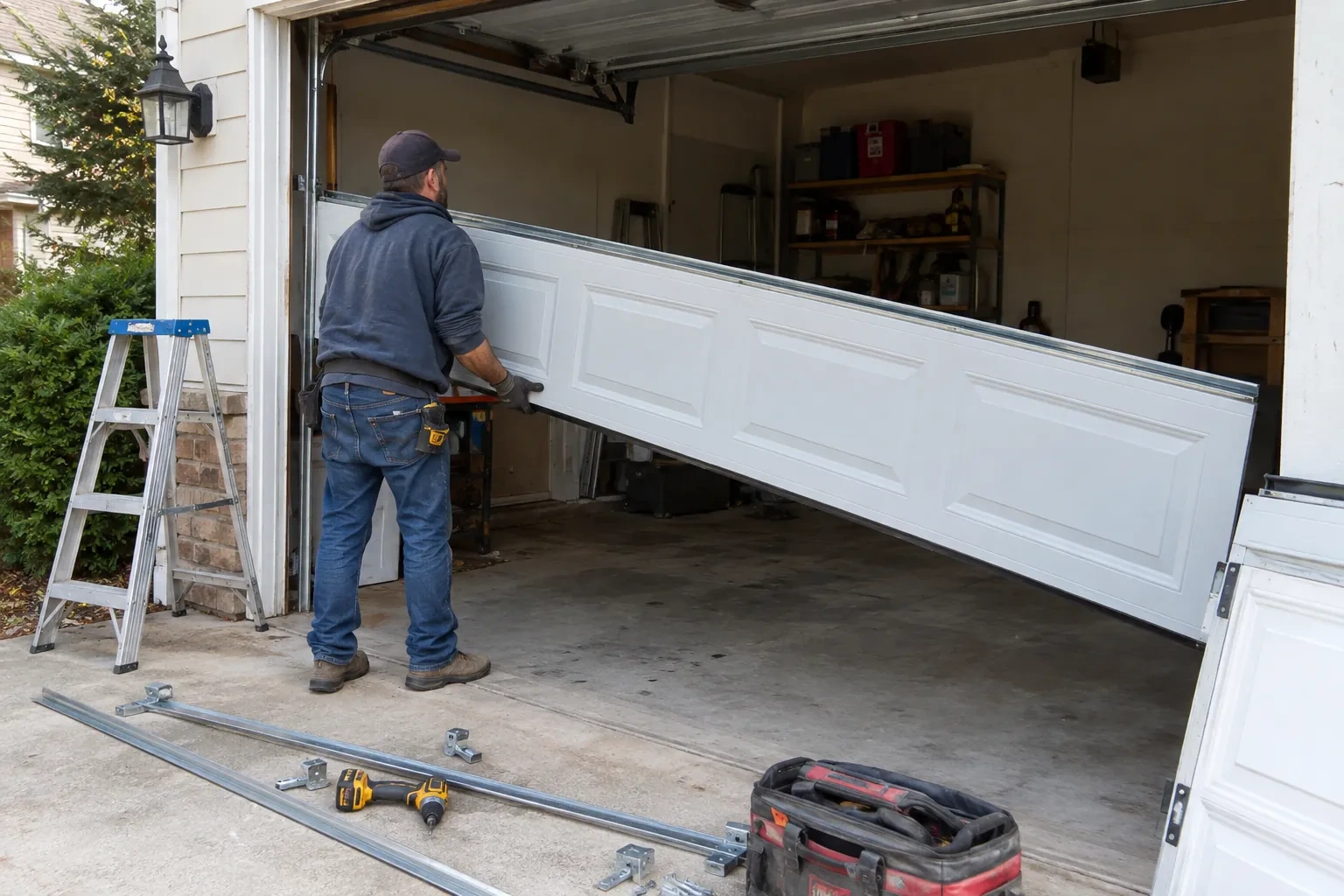
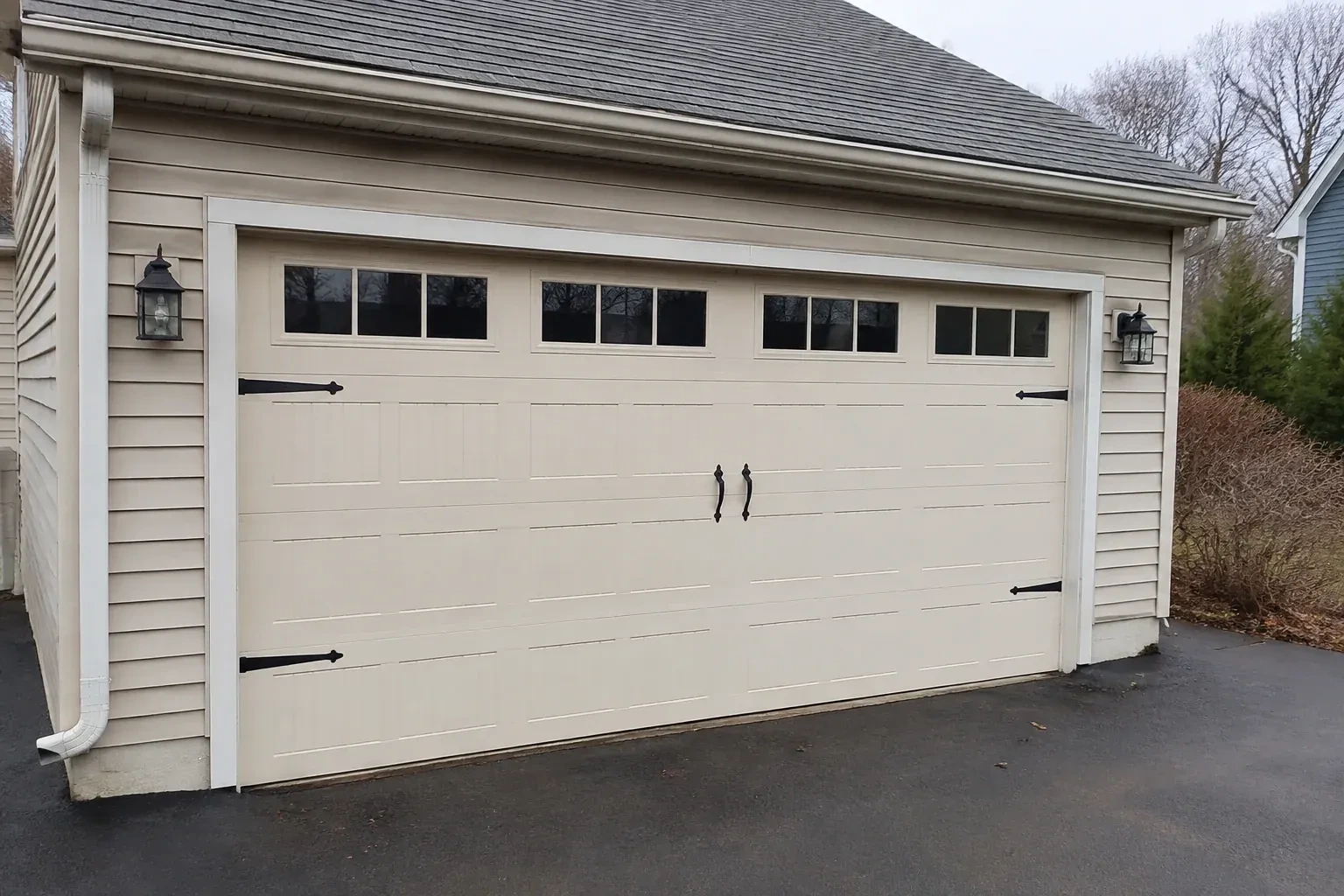
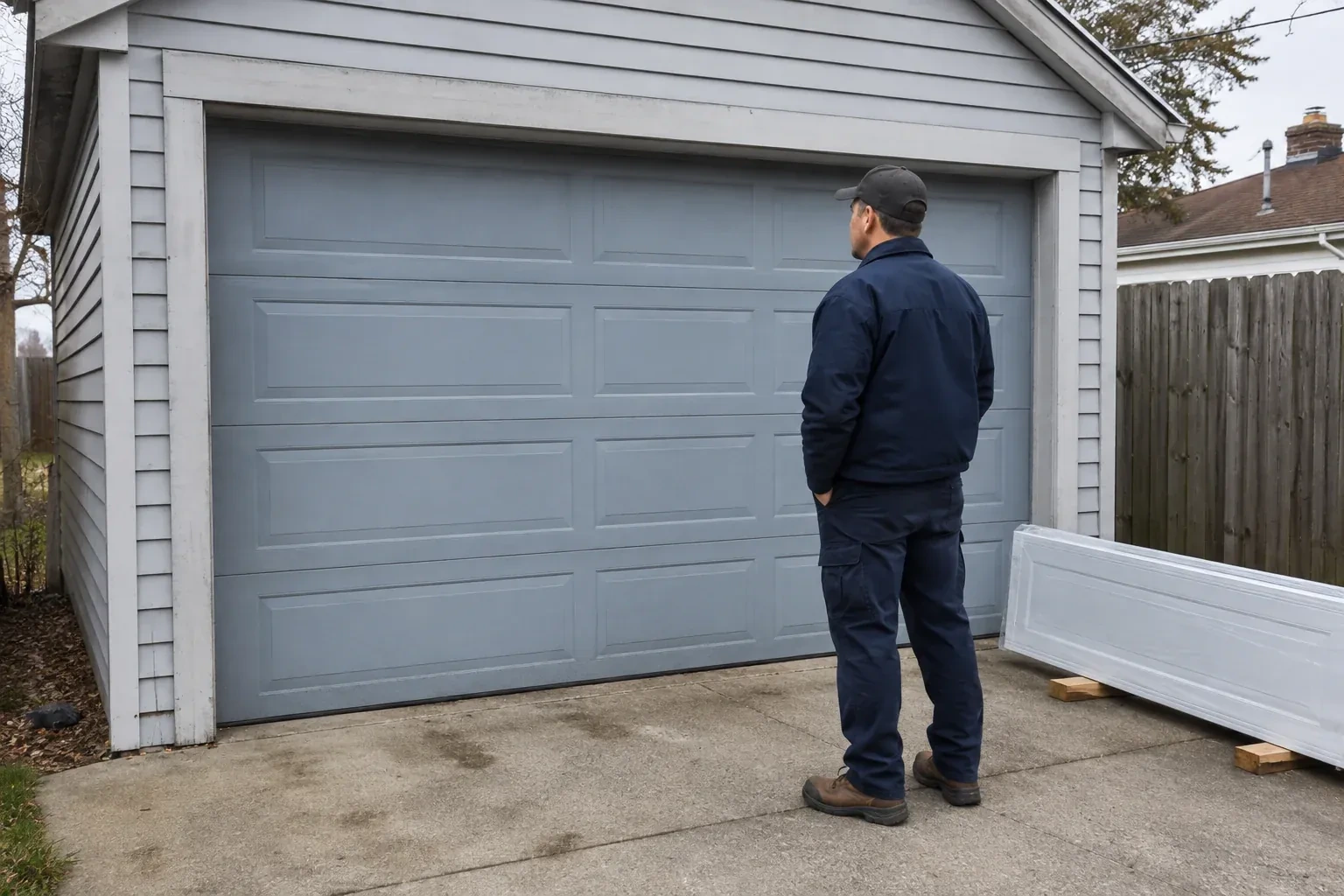
A renovation changes the face of a house, and the old garage door can suddenly look out of place. We help homeowners in Heidelberg pick panel styles, window inserts, colours and hardware that suit the new exterior, then install the door plumb and level so it looks intended rather than added.
A renovation changes the face of a house, and the old garage door can suddenly look out of place. We help homeowners in Heidelberg pick panel styles, window inserts, colours and hardware that suit the new exterior, then install the door plumb and level so it looks intended rather than added.
Careful work on heavy doors.
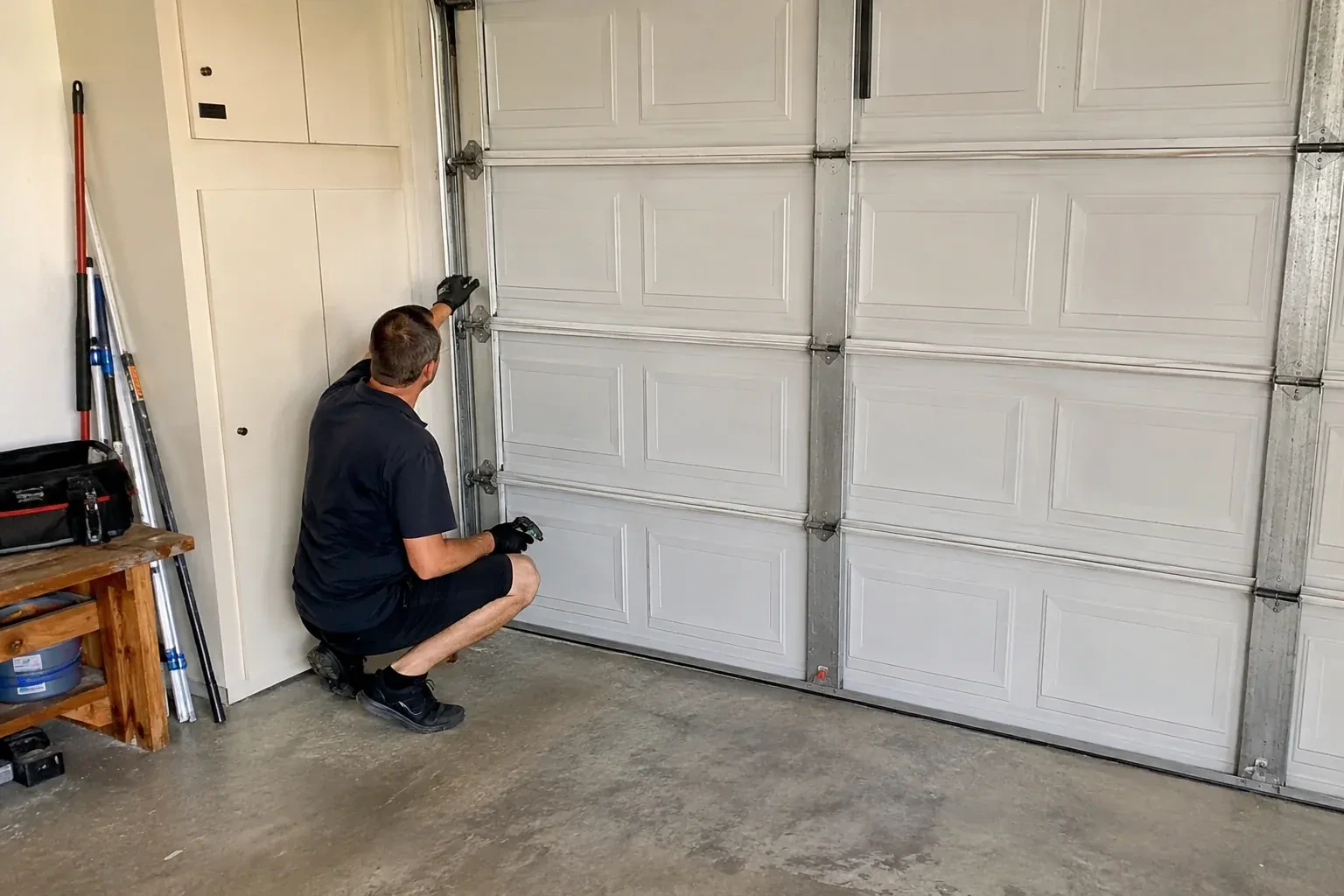
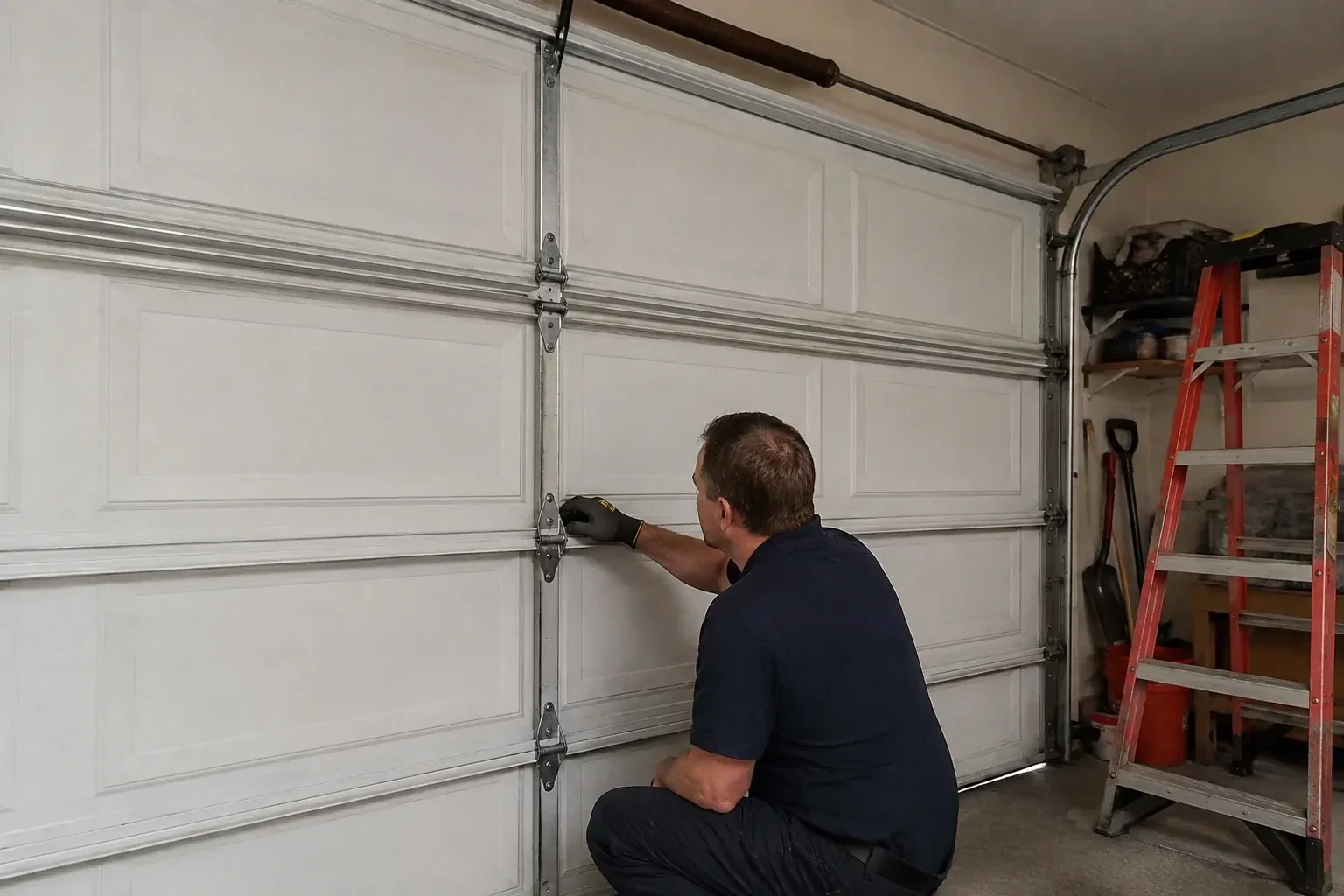
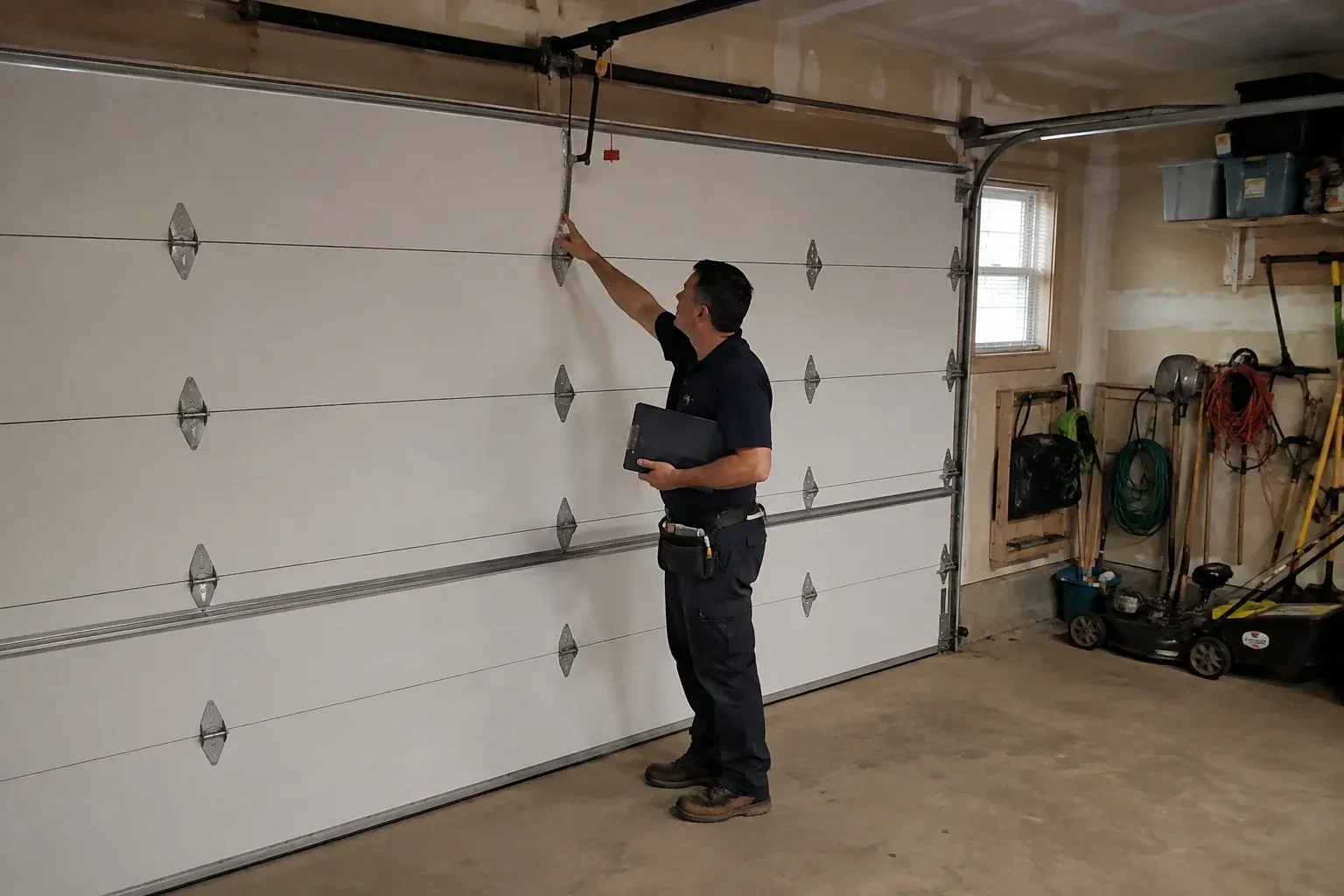
Every door in Heidelberg gets a safety check as part of the visit, whatever the reason we came. Photo-eyes are aligned, the auto-reverse is tested, the balance is confirmed and the cables are inspected. If something is close to failing, you hear about it plainly, with no pressure to act that day.
A second opinion on a garage door in Heidelberg is something we are happy to give. The technician looks at the door fresh, without assuming an earlier diagnosis was right or wrong, and explains what they see in plain language. Often the news is reassuring. Either way you leave the conversation with a clear picture and choices you understand.
20years in business
24/7open every day
Understanding first. We explain the fault in plain terms and check that it makes sense to you before moving on to the repair.
Respect for the space. Drop sheets, careful handling of stored items, and a full clean-up. We are guests in your garage and act like it.
Choices laid out plainly. Each option comes with what it involves, how long it tends to last and what it means for the opener and the rest of the door.
Schedule a garage door visit for your Heidelberg property.
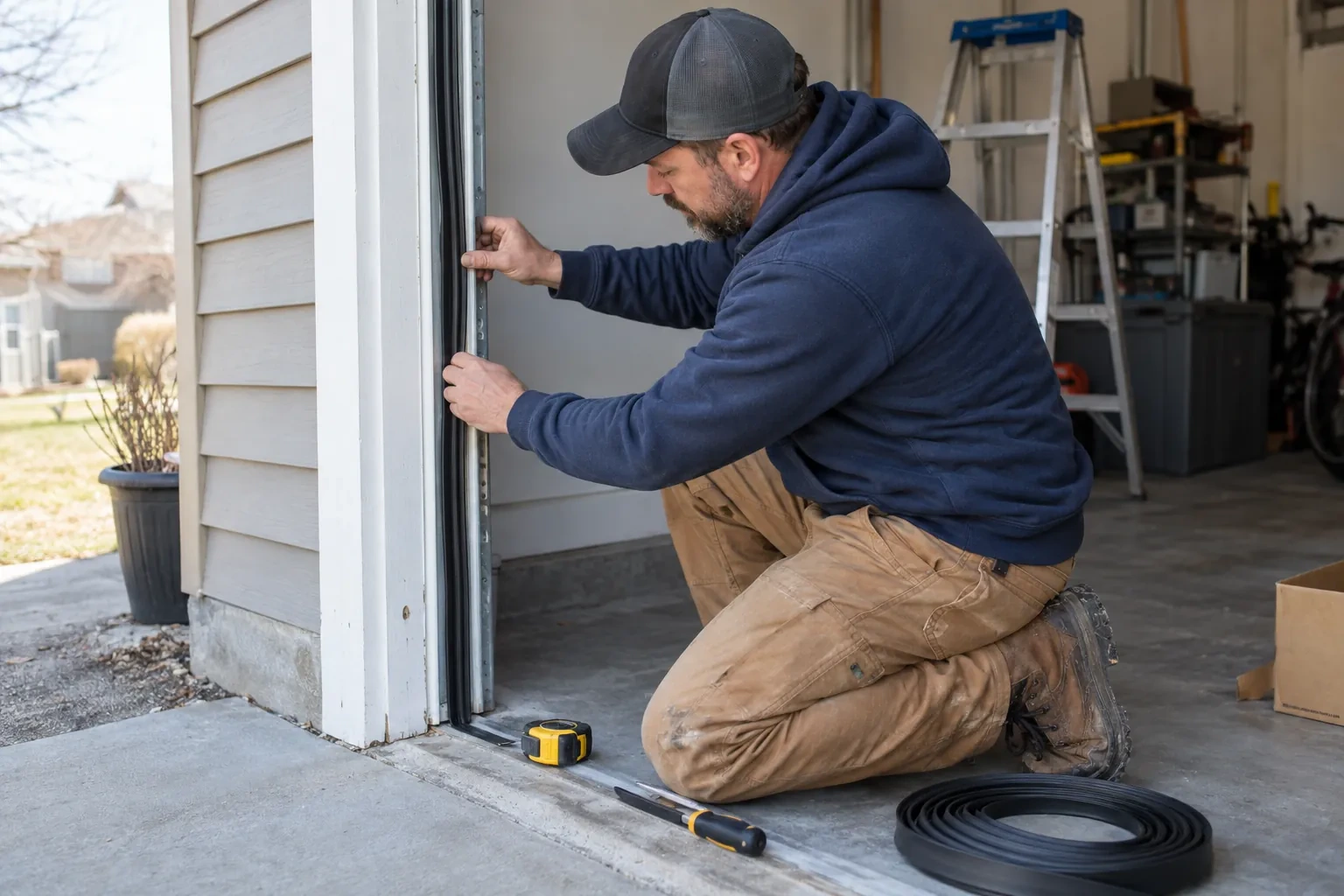
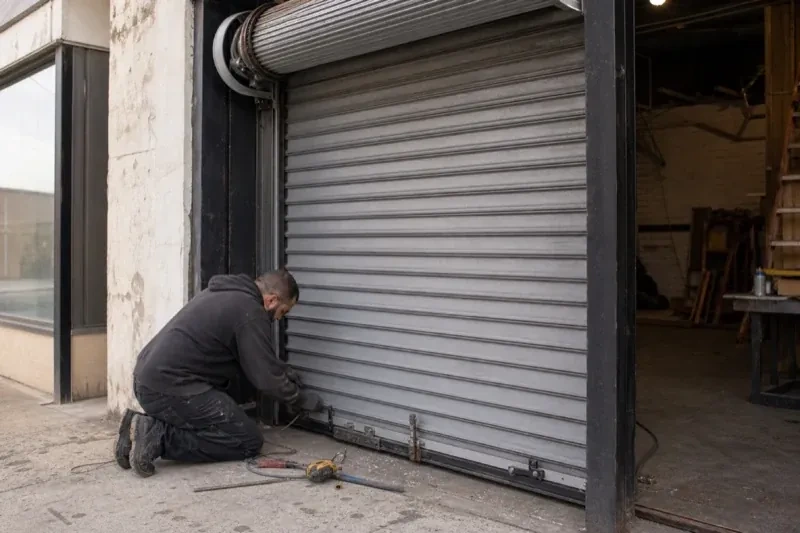
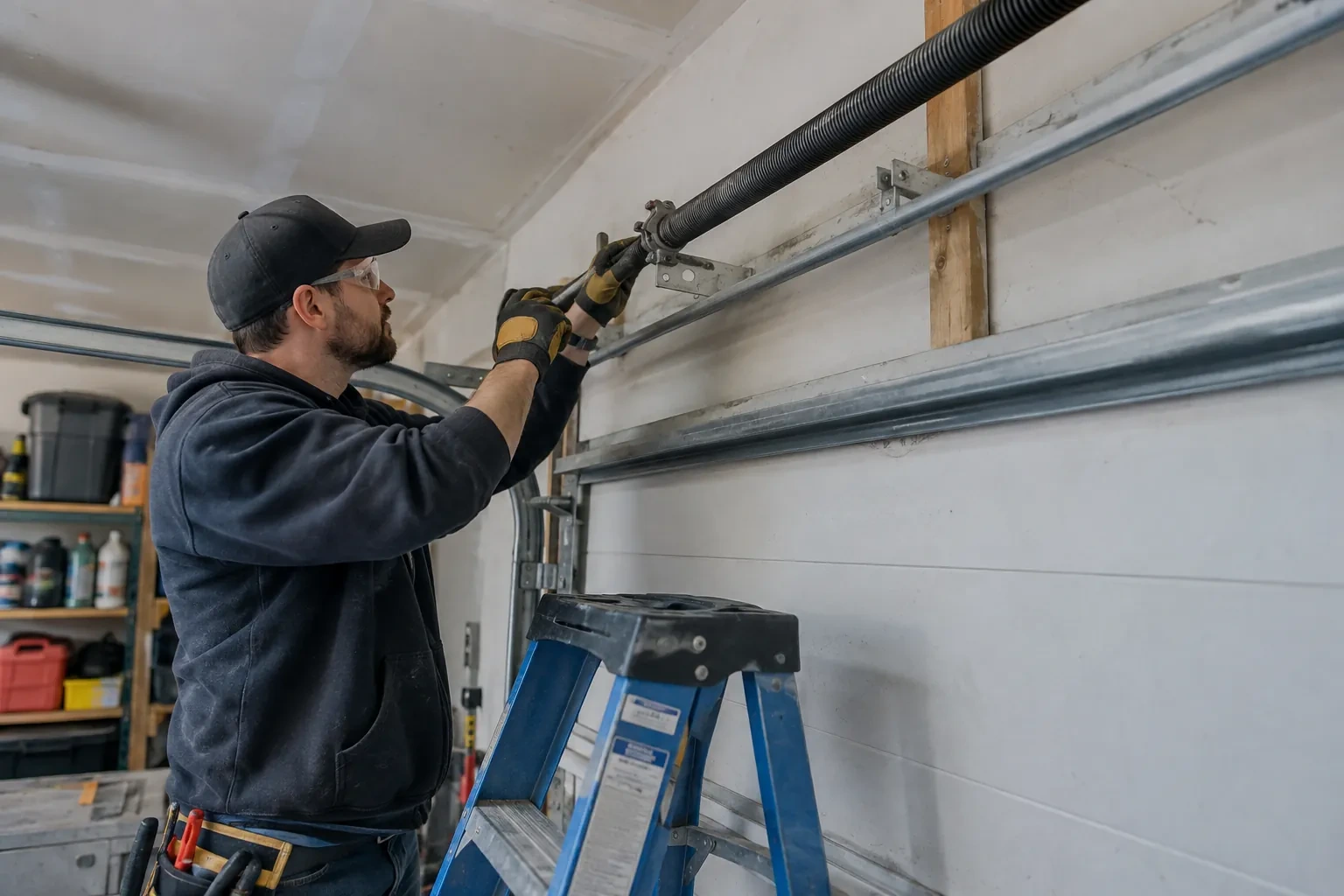
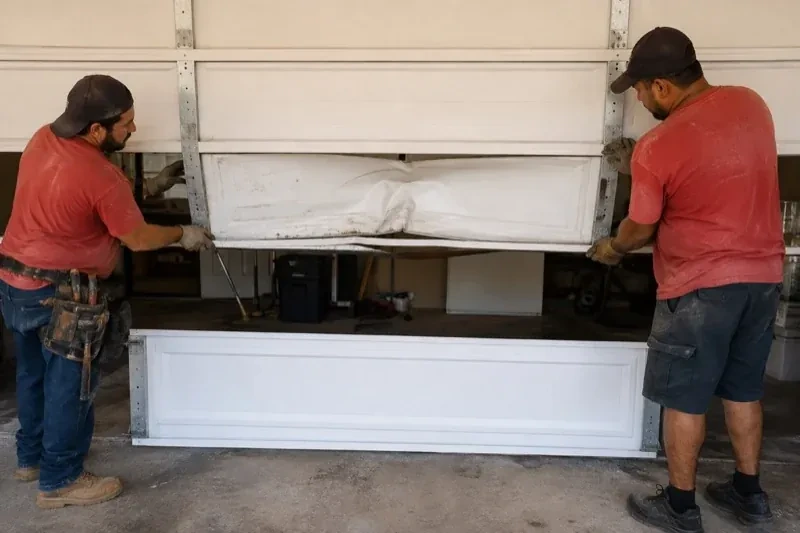
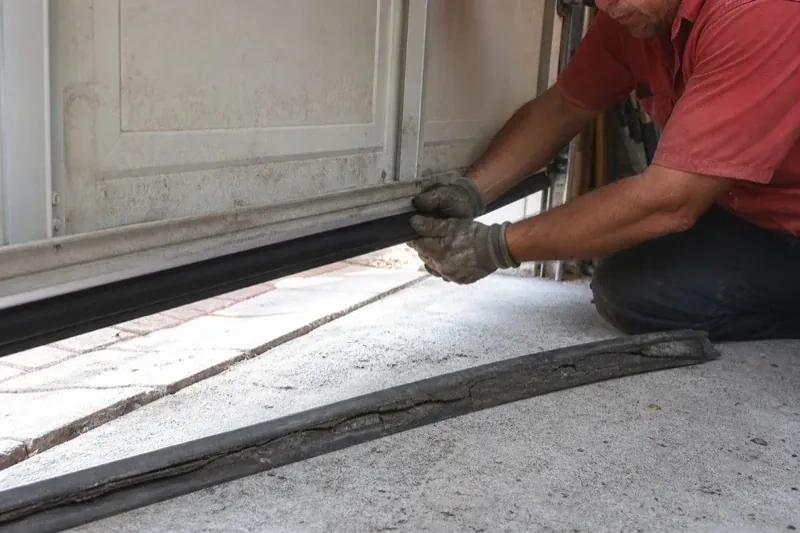
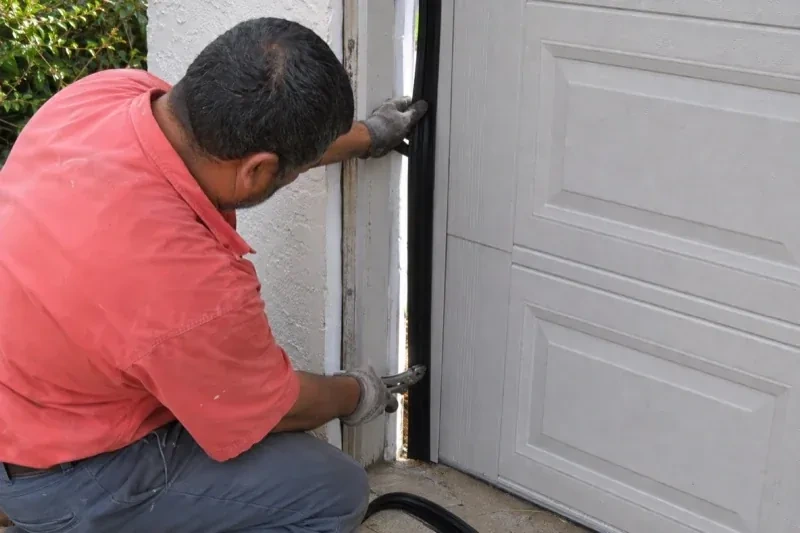
We think of garage door work in Heidelberg as keeping a heavy moving object safe and smooth. That covers spring and cable work, tracks and rollers, opener force and sensor settings, seals against the weather, and complete door replacement when a repair no longer makes sense.
About 47% of homes in Woolwich were built in 1980 or earlier, according to the 2021 Census.
A mixed-age neighbourhood is where retrofits are most common: safety cables added to extension springs, a torsion conversion on an older door, insulated panels replacing a hollow door, or a quieter belt opener under a newly finished room above the garage. Each is a routine job for us.
Single-detached houses make up about 76% of homes in Woolwich (2021 Census).
Mostly houses
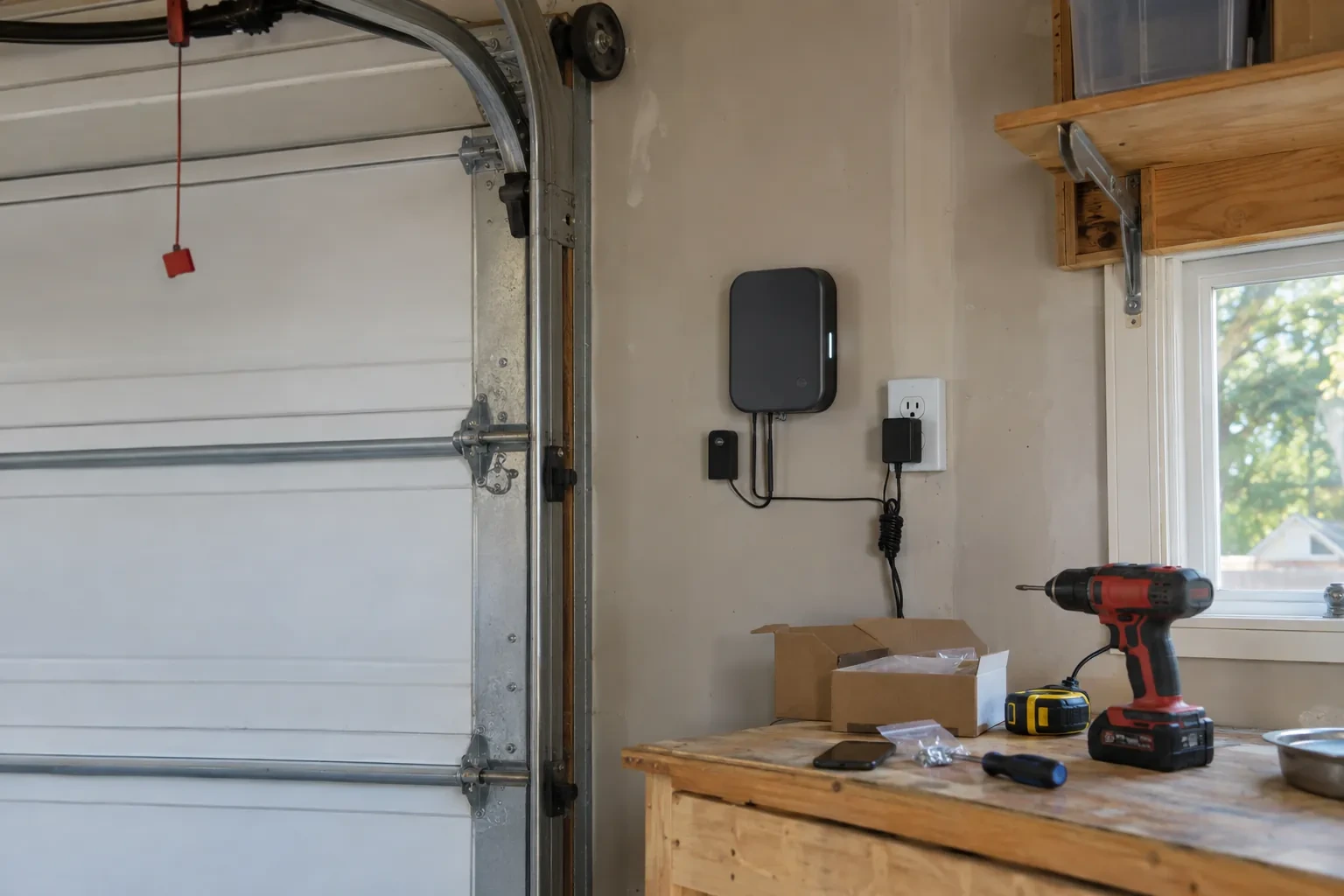
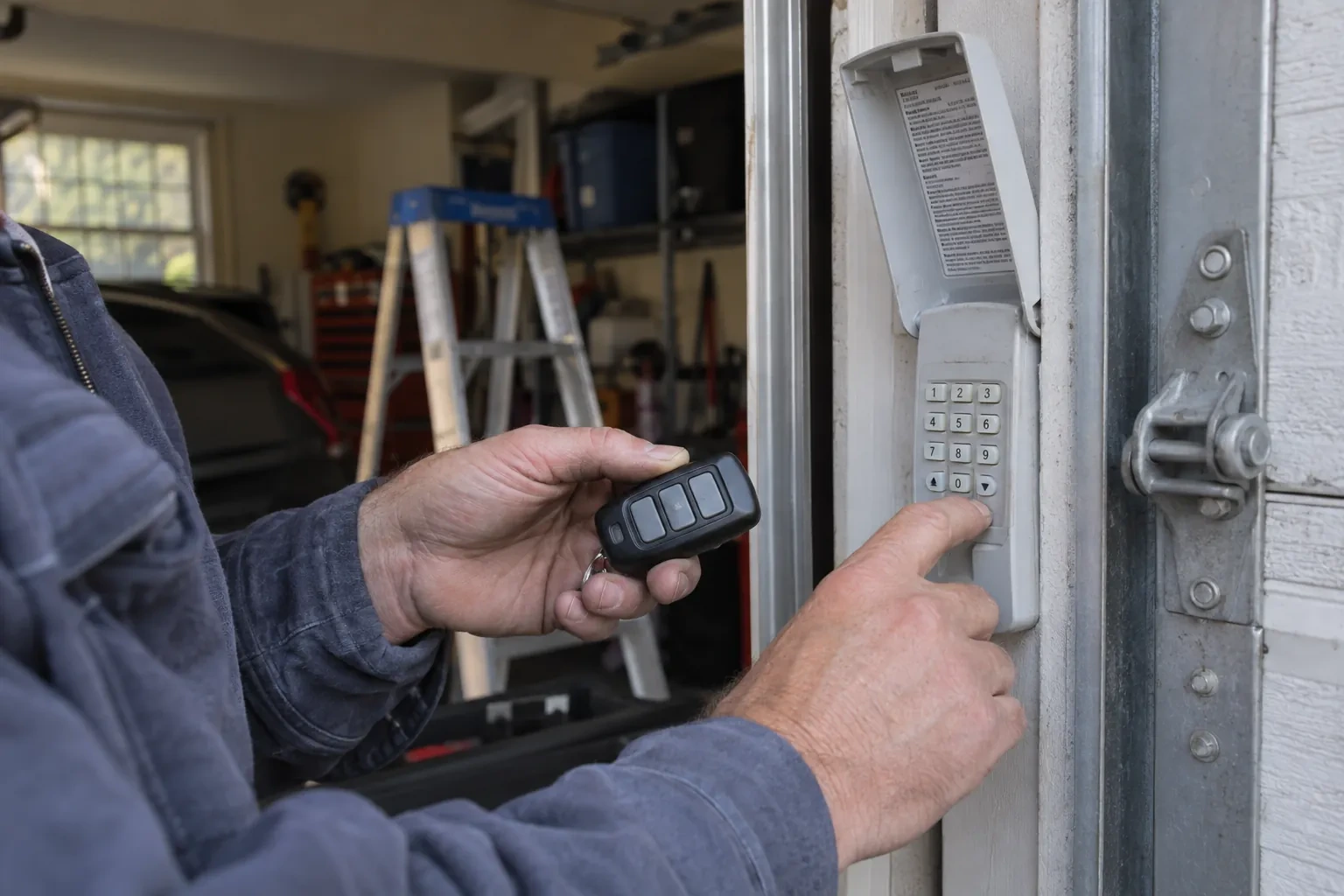
Households in detached homes often have several remotes, a keypad and a phone app between family members and their cars. We keep all of them programmed to the opener, replace the ones that have failed, and explain how to add a new one when a car changes hands.
On bright afternoons the door goes down a metre, stops, and climbs back up while the light on the opener blinks. After dark it closes perfectly. Nothing has changed except the weather.
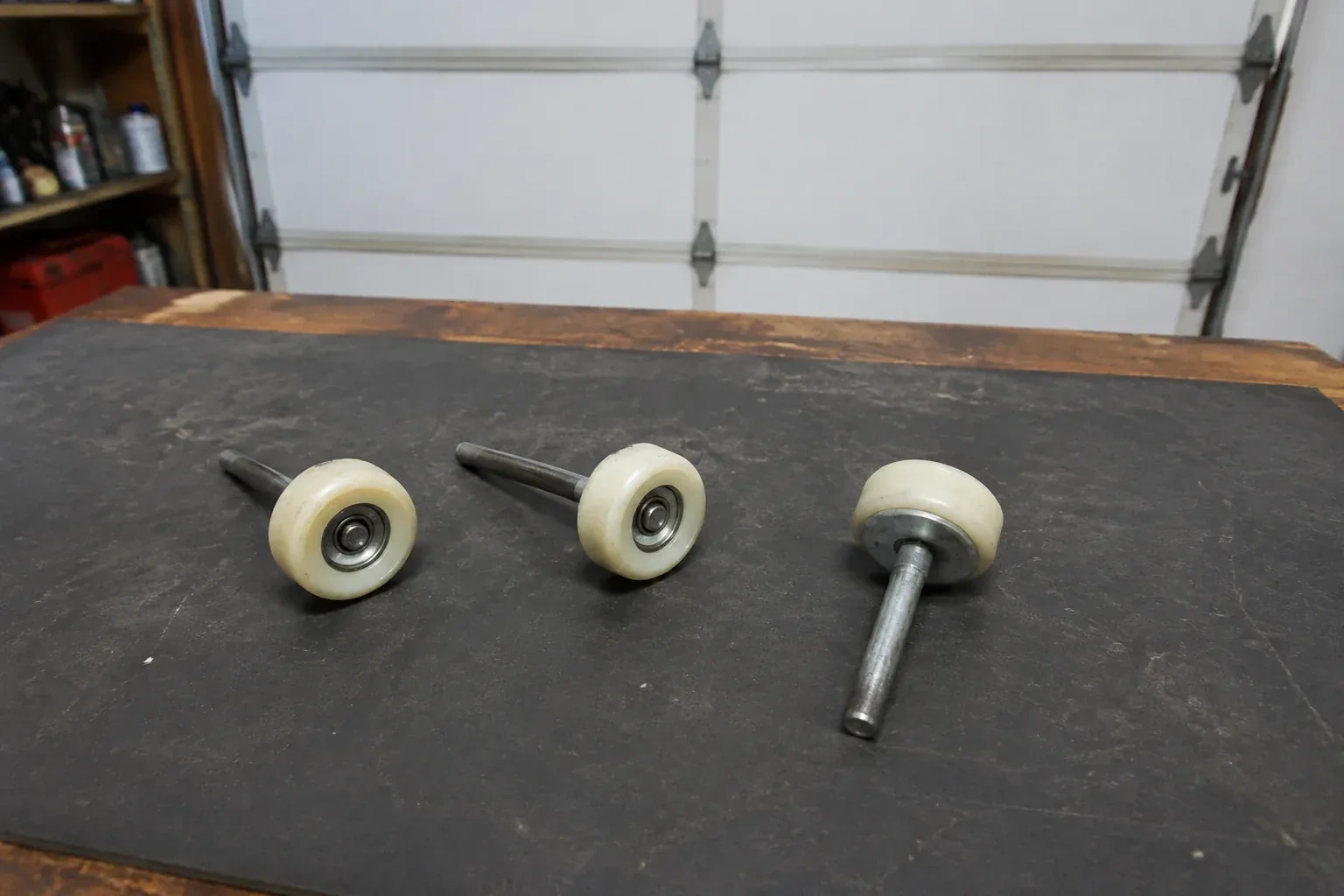
The door is the one the builder installed and has never had a part changed. It works, but it clatters, the wheels are hard white plastic with no bearings in them, and the opener sounds like it is labouring more each season.
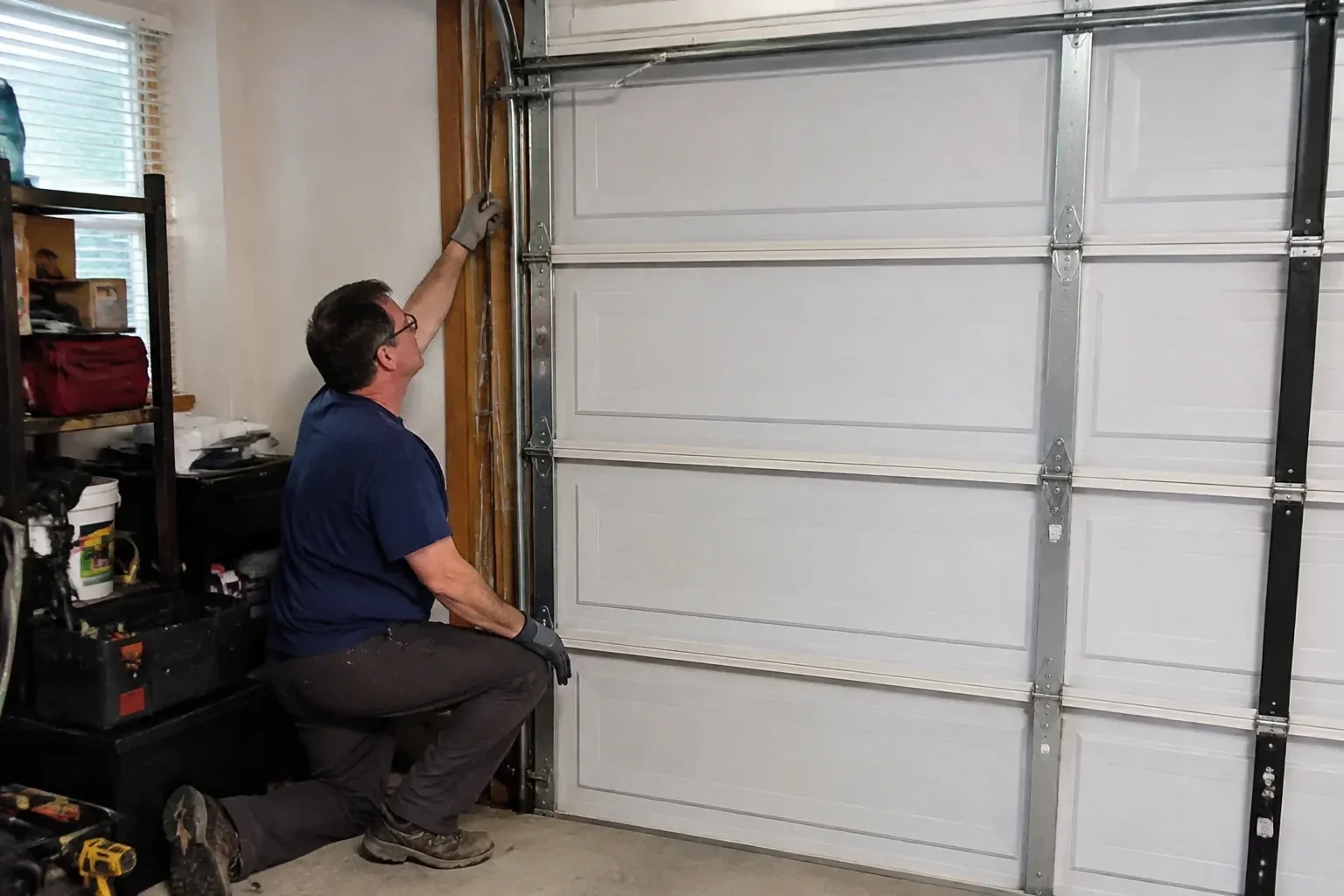
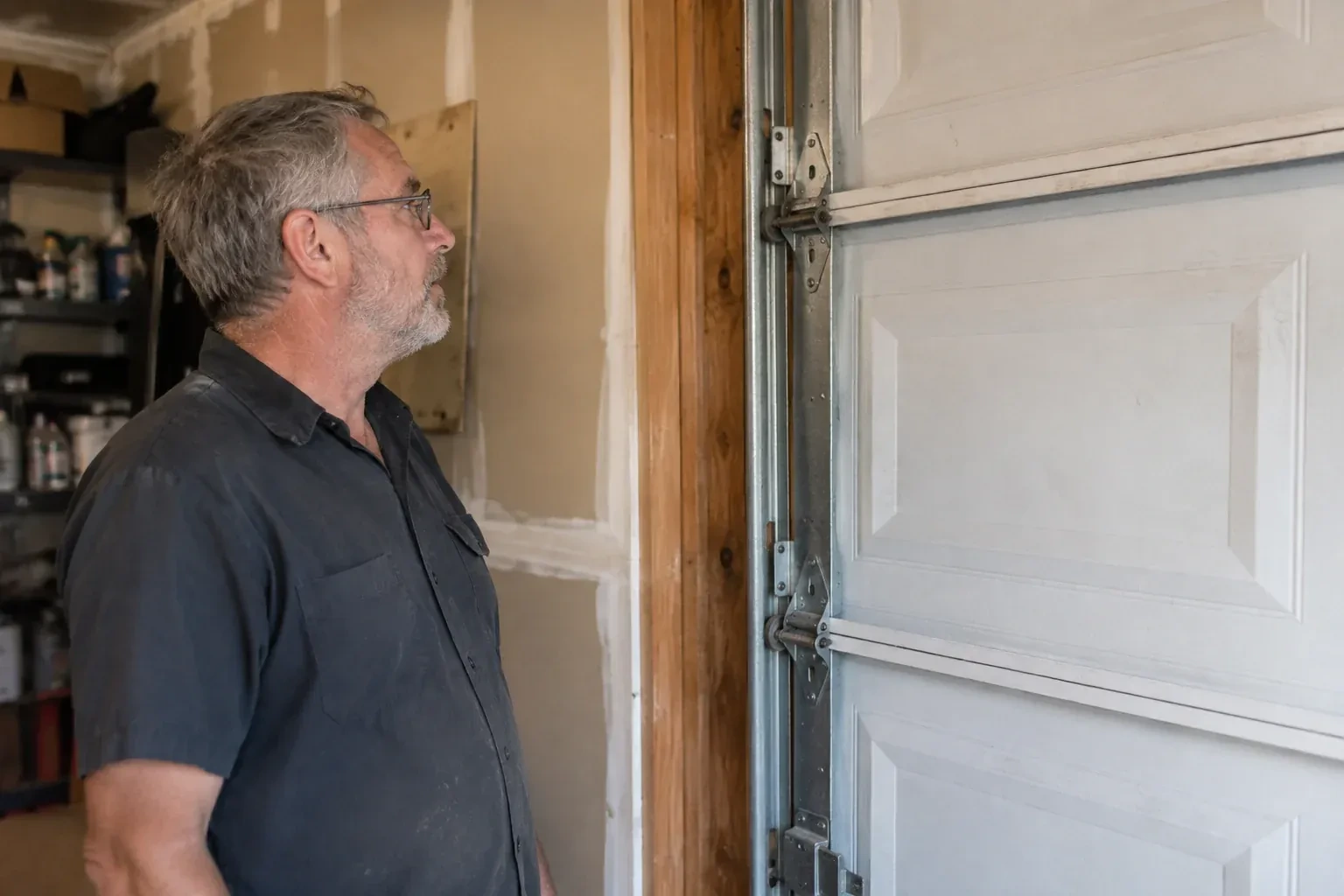
On the old wood door, one hinge has pulled away from the panel, dragging a screw and a chunk of soft timber with it. The panel sags slightly at that joint and the door bumps at the curve instead of gliding.
After years of slushy winters the cables look thinner near the bottom brackets, with rust streaks running down the door where they attach. The door still works, but the frayed wires catch your glove when you brush past.
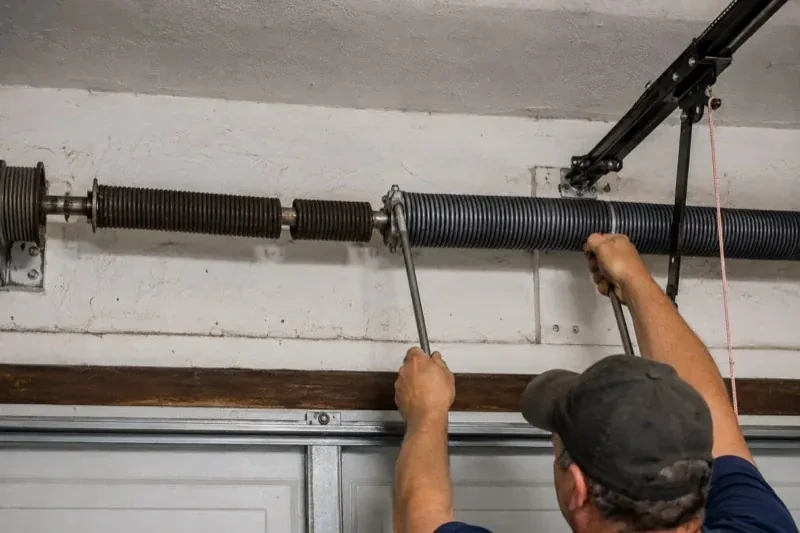
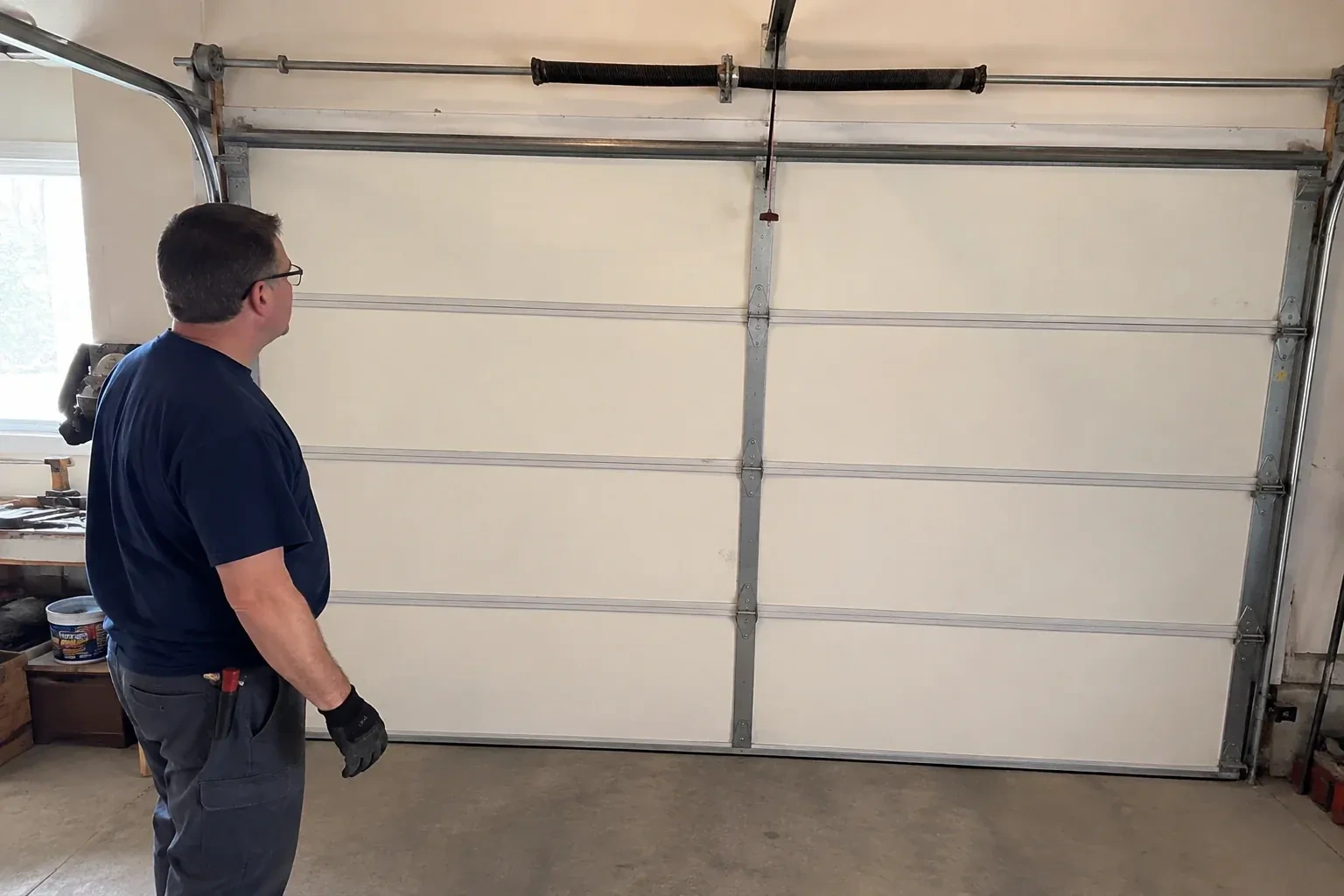
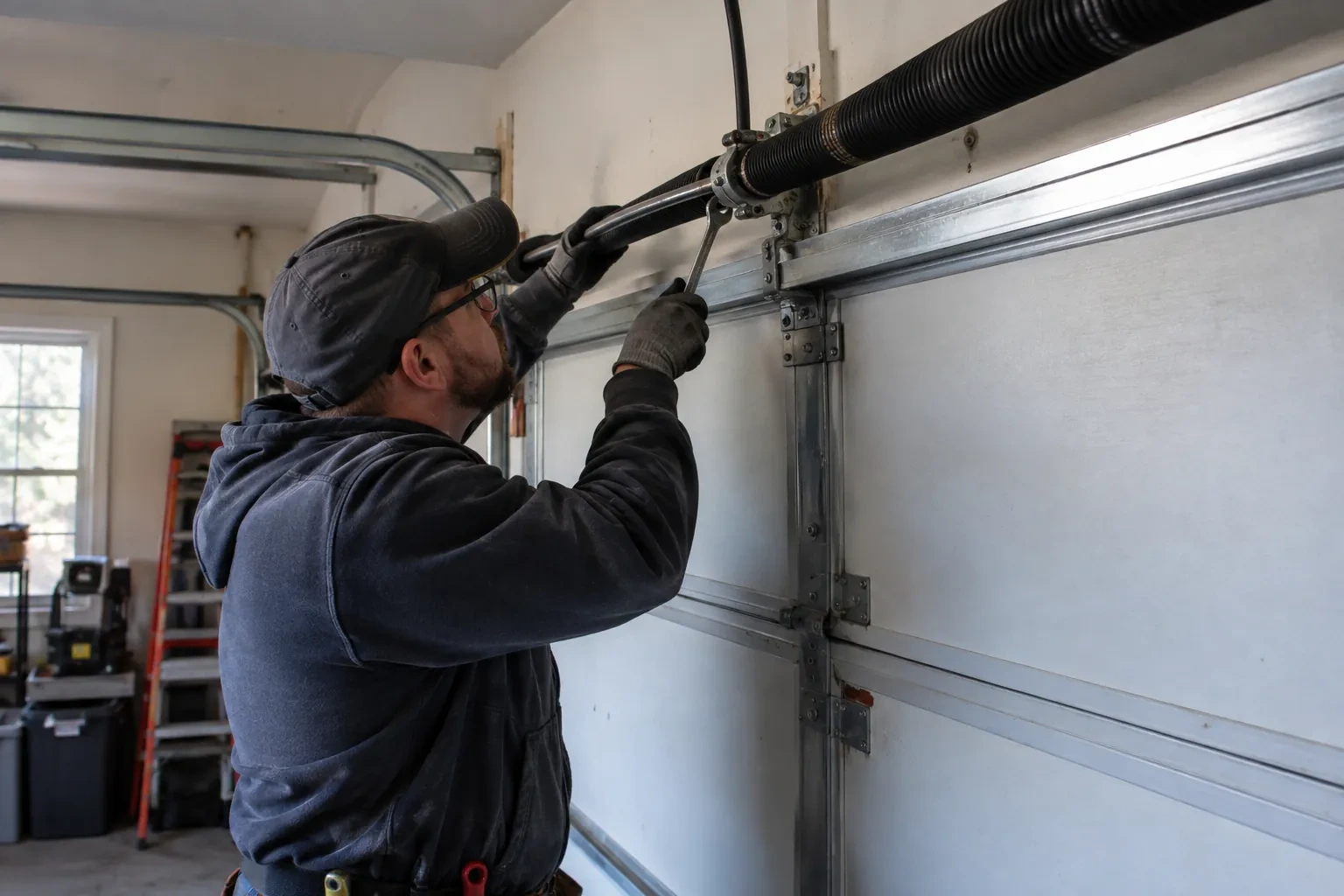
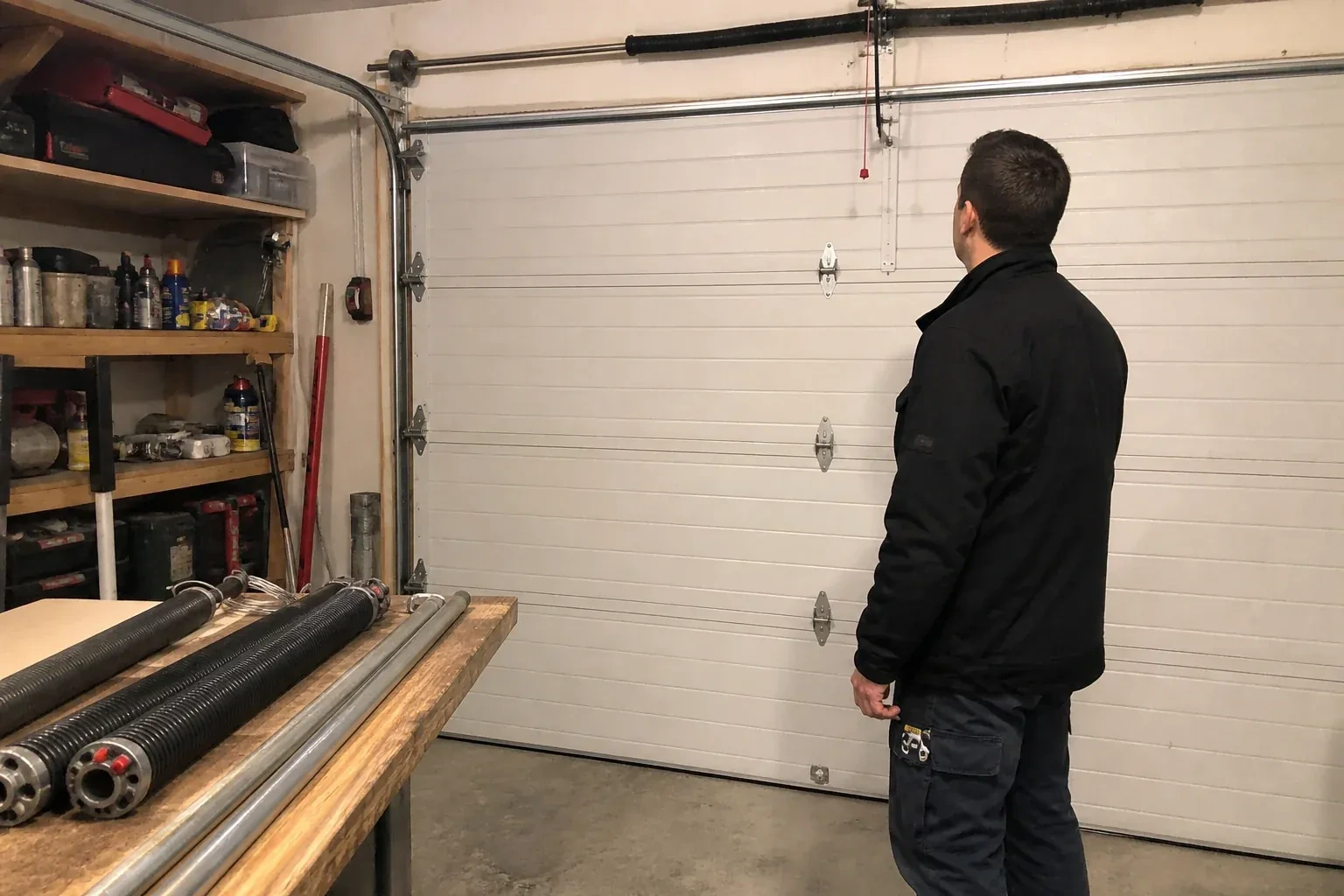
Looking up at the coil above the door, you can see a clean split with a gap of several centimetres between the two halves. The rest of the spring looks fine, but the door has become almost impossible to move by hand.
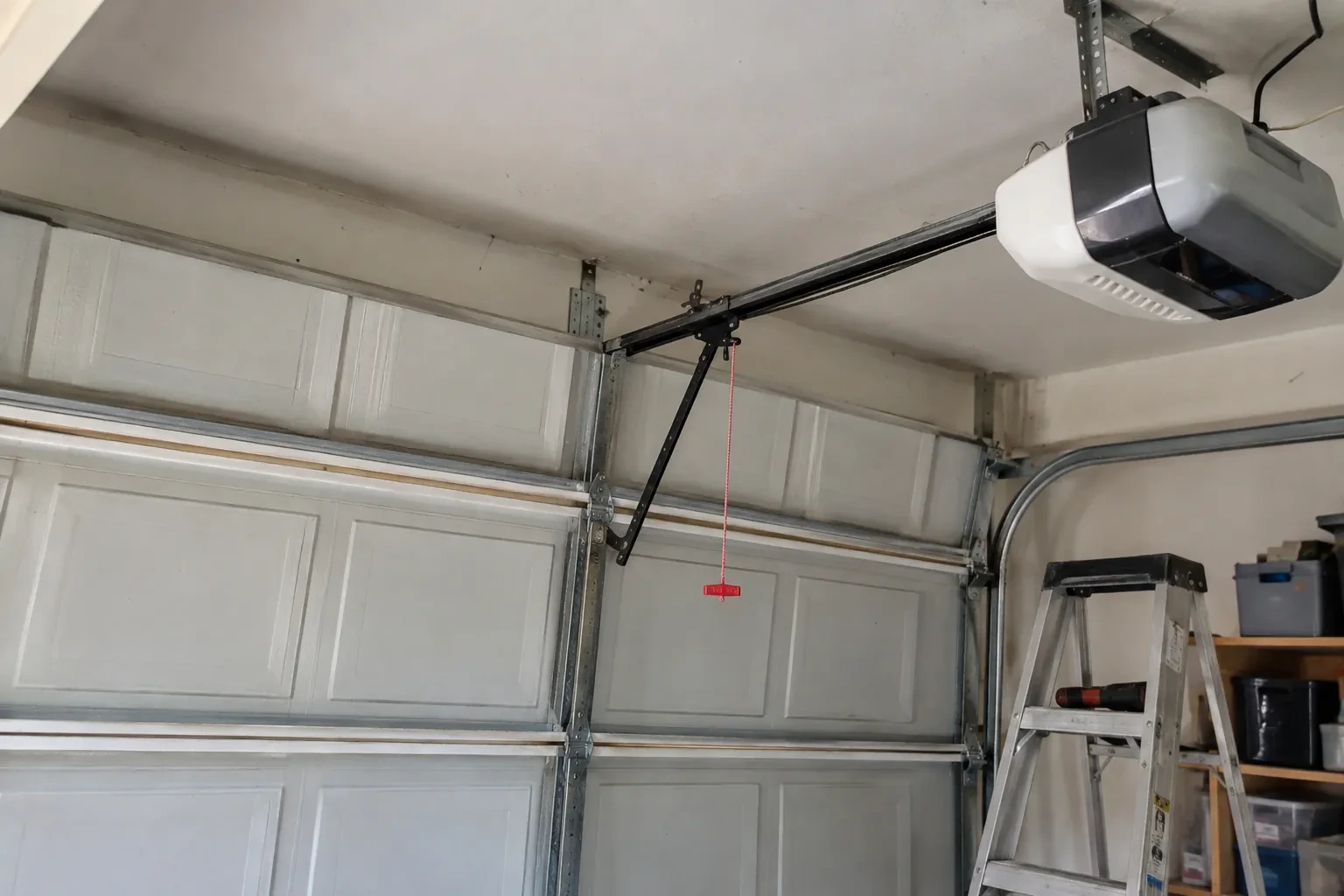
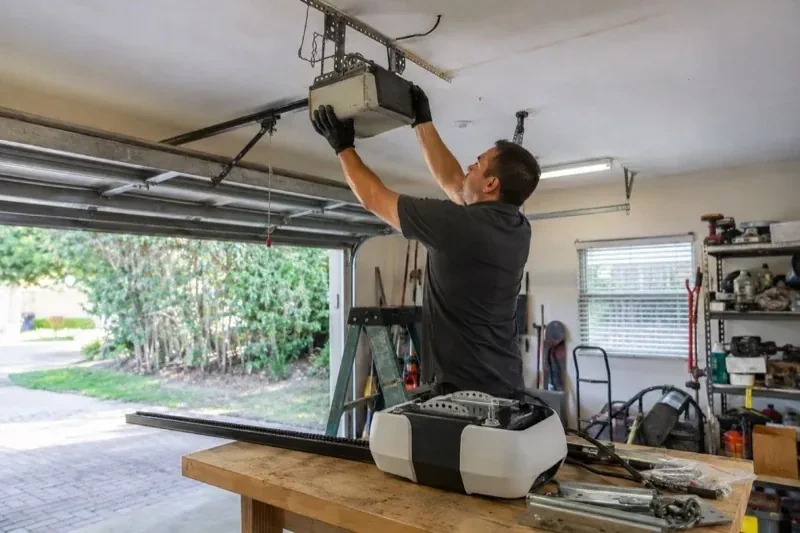
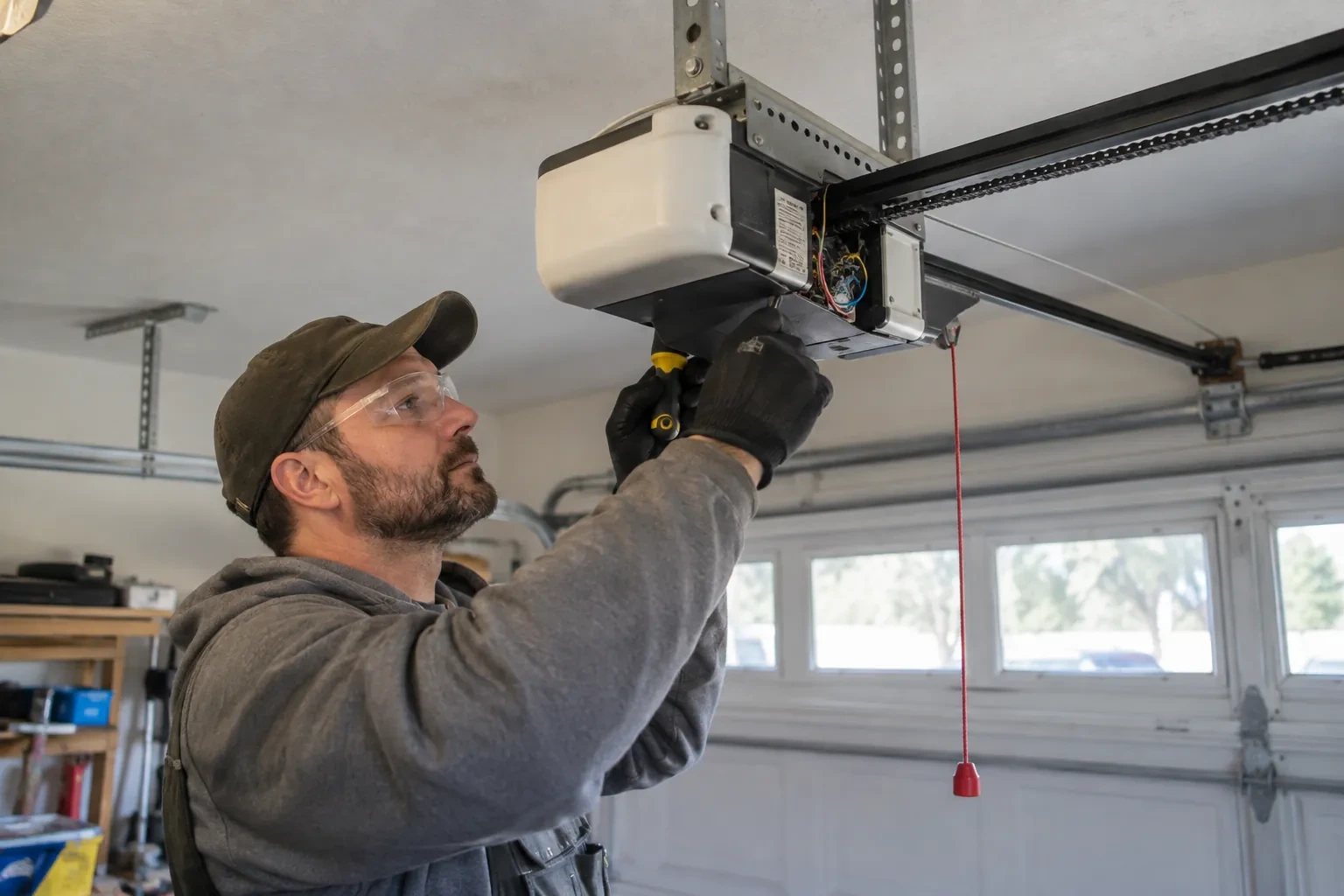
The bedroom above the garage shakes every morning at six when the chain drive fires up. Everyone in the house knows the moment someone leaves for work. The door itself is fine; the racket comes from the operator and its steel chain.
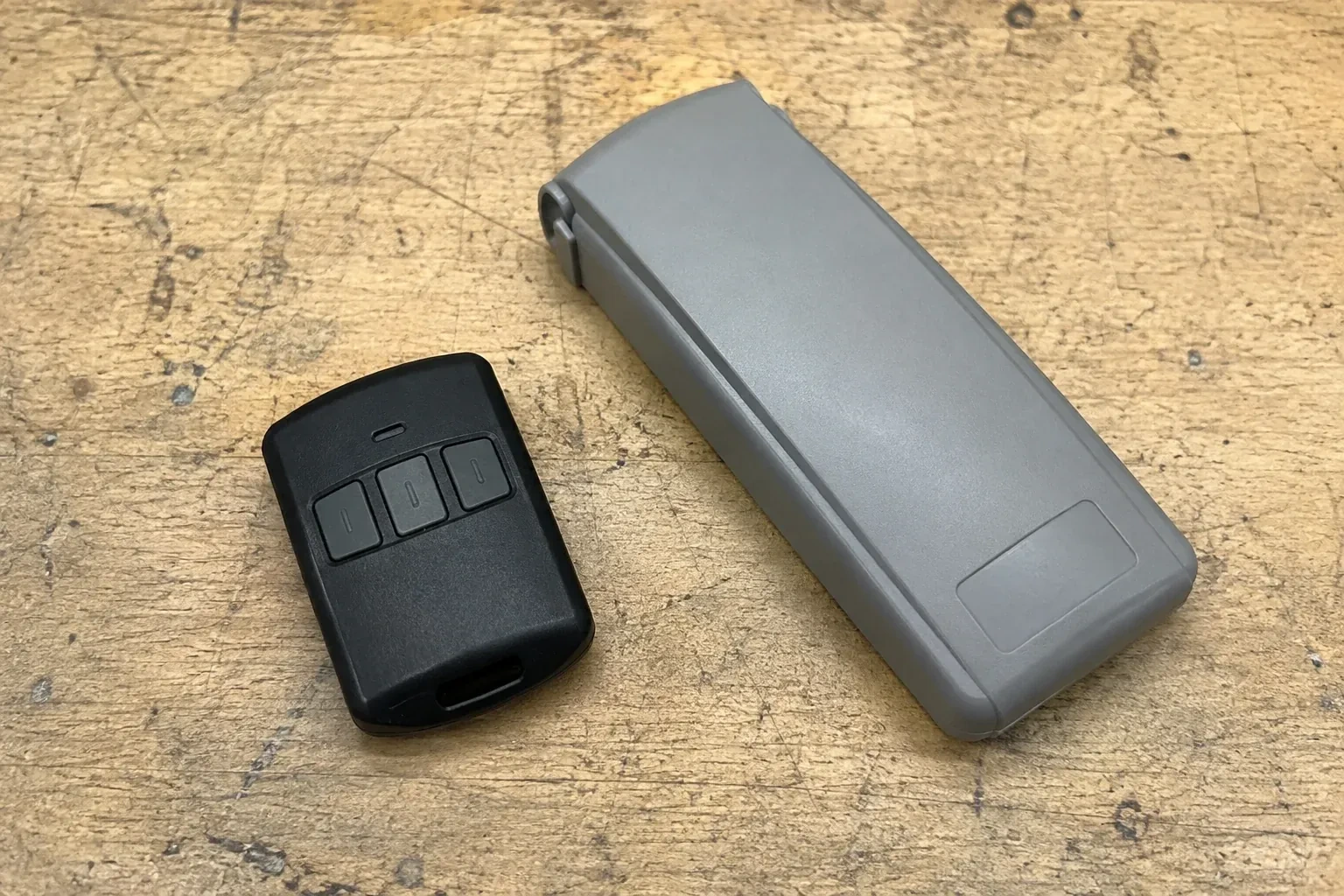
The opener is an older one with a row of tiny switches inside the remote. The last remote finally died, the maker stopped selling that model years ago, and the door itself still runs perfectly from the wall button.
Two garage openings sit side by side, and small differences in window spacing or decorative hardware would be obvious. You are looking for a measured installation with aligned panels and balanced proportions.
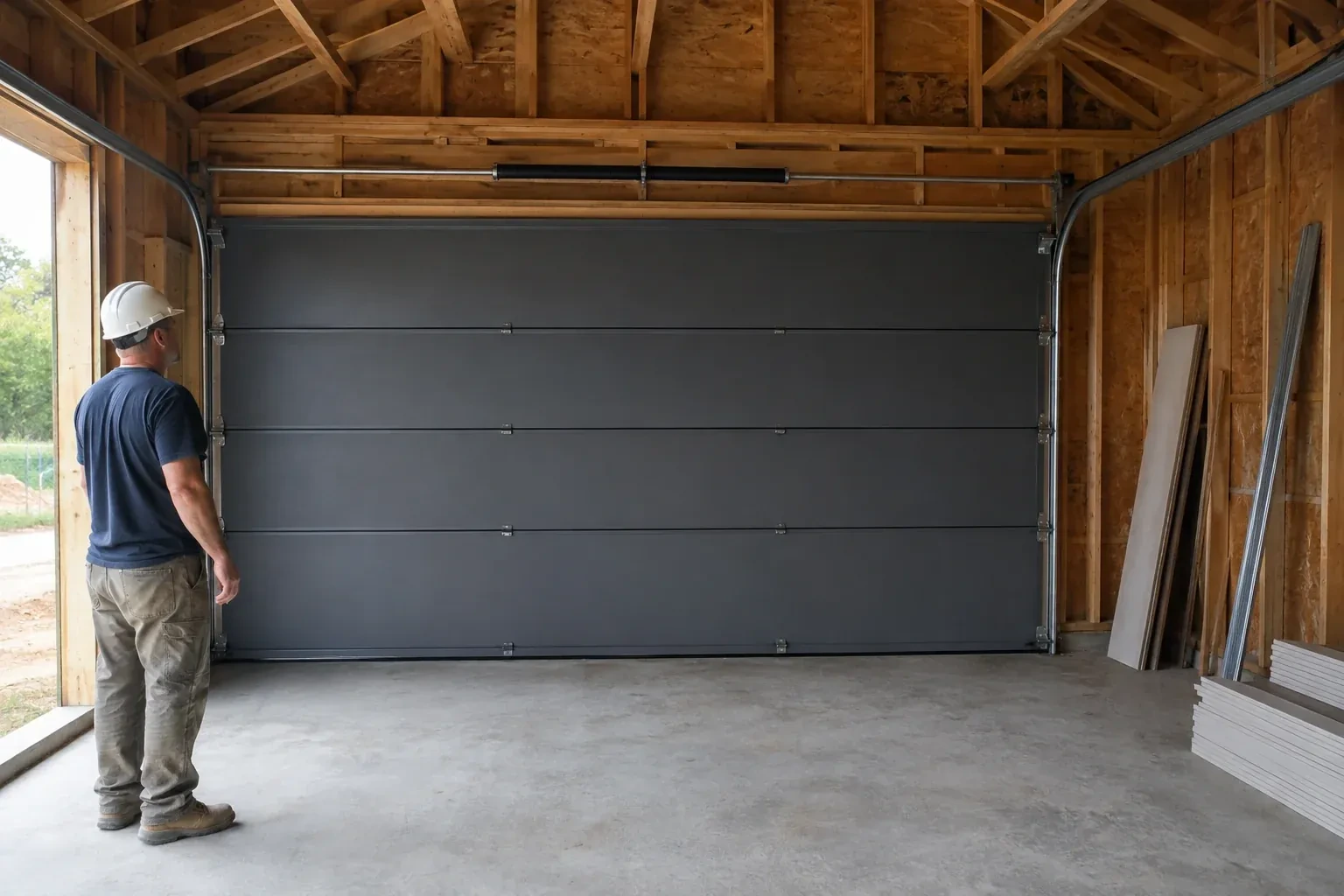
Two new garage openings sit side by side on the same elevation. Their door sections, window layouts and tracks need consistent alignment while each system remains properly matched to its own size and weight.
The hand chain takes far more effort than it did last month. The curtain feels heavy from the first pull, pauses around mid-travel, and settles downward instead of holding a steady position.
Sectional doors, carriage-house styles, full-view glass and insulated steel all sit in this group, along with the conversions and hardware upgrades that change how a door performs.
It is the contact-reversal check. A short length of 2x4 lies flat on the floor in the middle of the opening and the door is closed from the wall button. When the bottom edge meets the wood, the door should halt and travel back up without help. Passing shows the opener's down-force and travel limits are set to back off from something solid. The technician never substitutes a hand or foot for the board.
What happens during the visit, and do I need to move the car?
The technician needs clear access to both tracks from floor to ceiling, so moving vehicles out and shifting anything stored against the walls near the tracks helps. The visit itself runs in order: the door is watched in motion, every roller and its hardware is inspected, the door's balance is tested, the door is secured and the rollers are changed one position at a time, the track is cleaned and squared, moving parts are lubricated, and the door and opener are tested.
Will new hinges make the door quieter?
Often noticeably. A cracked or loose hinge is the source of many pops, clicks and rattles, and a hinge that holds its roller square lets the wheel run flat instead of scraping the track lip. Combined with fresh lubricant on the knuckles and rollers, the door settles into a steady rumble. Any noise that remains usually points to the rollers, the opener chain or the springs, which the technician can identify for you.
What makes a cable fray?
Fraying is individual wires breaking, and it comes from two things: bending fatigue where the cable wraps the drum or pulley, and rubbing where it touches something it should not, such as a bent track edge, a rough drum groove, a seized pulley or a bracket sitting crooked after a bump. Corrosion speeds both. The technician looks for the rough edge so the new cable does not meet it.
Can a spring be adjusted rather than replaced?
A spring that is intact but has relaxed slightly can be given a little more tension, within limits, to restore balance; this is a normal adjustment on a door that has settled. A spring with a broken coil is replaced as a unit, since the wire has reached the end of its life. The technician checks the condition of the steel and recommends whichever restores a balanced, safe door.
Should an opener from before the mid-1990s be replaced rather than repaired?
Manufacturers recommend replacing units made before 1993, since most lacked external entrapment protection such as a photo-eye pair, a sensing edge or a constant-contact close control. Identify the model rather than guessing its age or remote type, since a fixed-code remote with small switches is not proof by itself. Replacing rather than repairing brings the sensor beam, a contact-sensitive force setting, remotes whose code changes on every press and a console lock button.
Why does the outdoor keypad struggle in winter?
Small batteries lose output in sustained cold, so a keypad that was fine in autumn can light dimly and transmit too weakly when mornings drop below freezing. Frost and road salt also find their way into buttons and battery contacts over the years. Fresh cells fitted each autumn, clean contacts and a keypad with its slide cover closed carry most households through the season.
Which opener safety checks are completed after installation?
The technician confirms that photo eyes are aligned and respond when their beam is interrupted during closing. Contact reversal is tested according to the opener instructions, and open and closed travel limits are reviewed. Wall controls, remotes and the manual release are also operated. These checks connect the automatic equipment to the new door's actual movement instead of carrying forward former settings.
What regular care does a newly installed door need?
Follow the door and operator manuals for inspection and product-specific lubrication. Owners can keep the opening and sensor path clear, clean the section finish gently and watch visible cables, rollers, hinges and seals for change. Tracks are guides, so adding heavy grease can collect dirt. Any shift in balance, smooth movement or cable condition is useful reason to arrange a professional system assessment.
When is operator replacement considered?
A broader operator plan may be considered when major drive or control parts are extensively worn, suitable components are no longer supported, the unit is mismatched to the door or duty, or the desired control arrangement requires a different system. The door's balance, size, cycle pattern, protection devices, power and manual operation all inform that decision.
Request a visit
Every door in Heidelberg gets a safety check as part of the visit, whatever the reason we came. Photo-eyes are aligned, the auto-reverse is tested, the balance is confirmed and the cables are inspected. If something is close to failing, you hear about it plainly, with no pressure to act that day.