Springs · Heidelberg
Garage Door Roller Replacement in Heidelberg
Every morning the door announces itself: a rattle on the way up, a grinding squeal on the way down, loud enough that the neighbours know when you leave.
In plain words
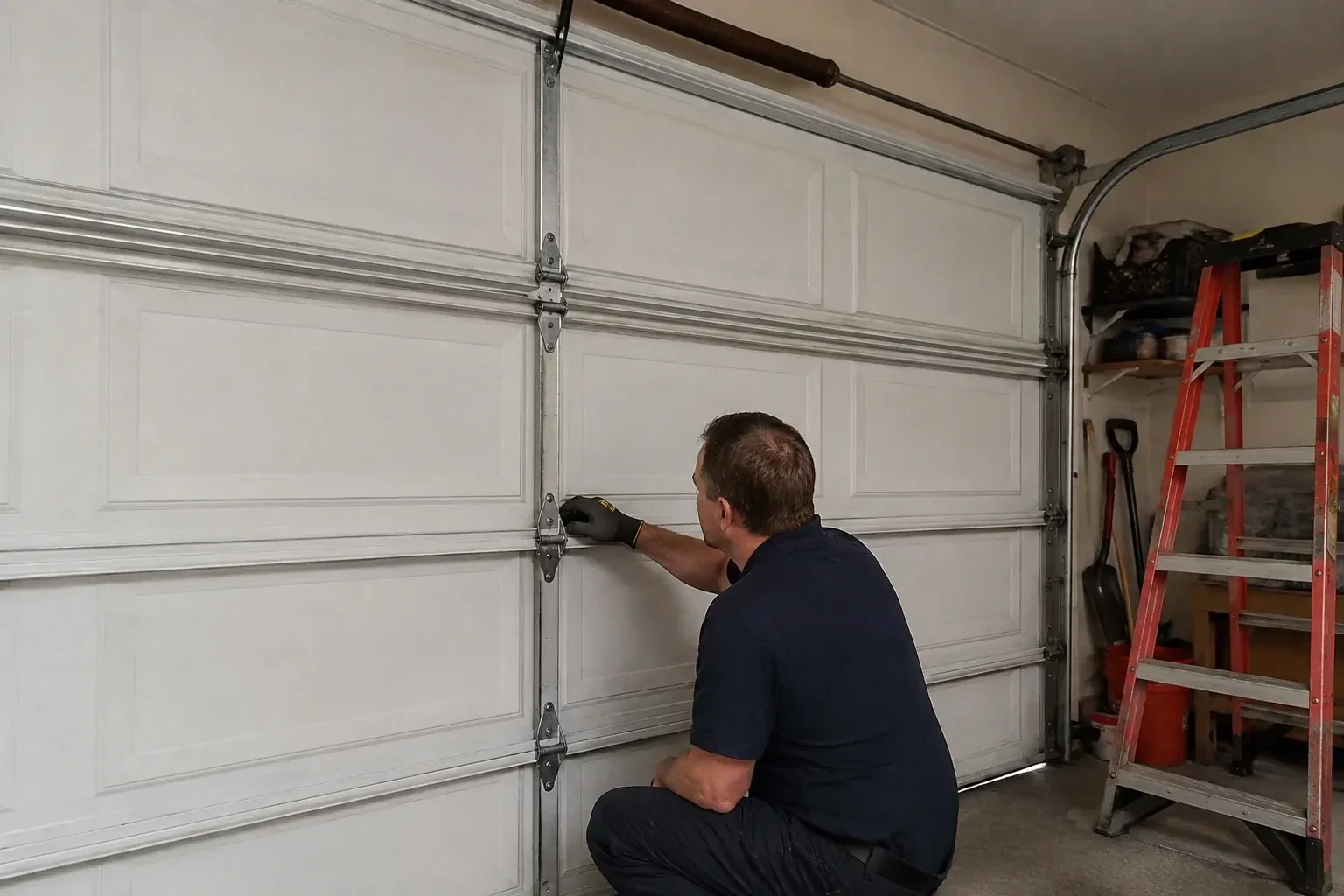
Rollers do more than reduce friction: they are what keeps the door in its track. A wheel worn oval, a bent stem, or a short stem sitting loose in a double hinge lets a section wander until the wheel rides up on the track lip, and from there a door can leave the track altogether. Replacing tired rollers before that point is a small job with a large effect on the door's future. The technician also checks hinge fasteners, jamb brackets and track alignment at the same time, since those are the other pieces that hold the door's path.
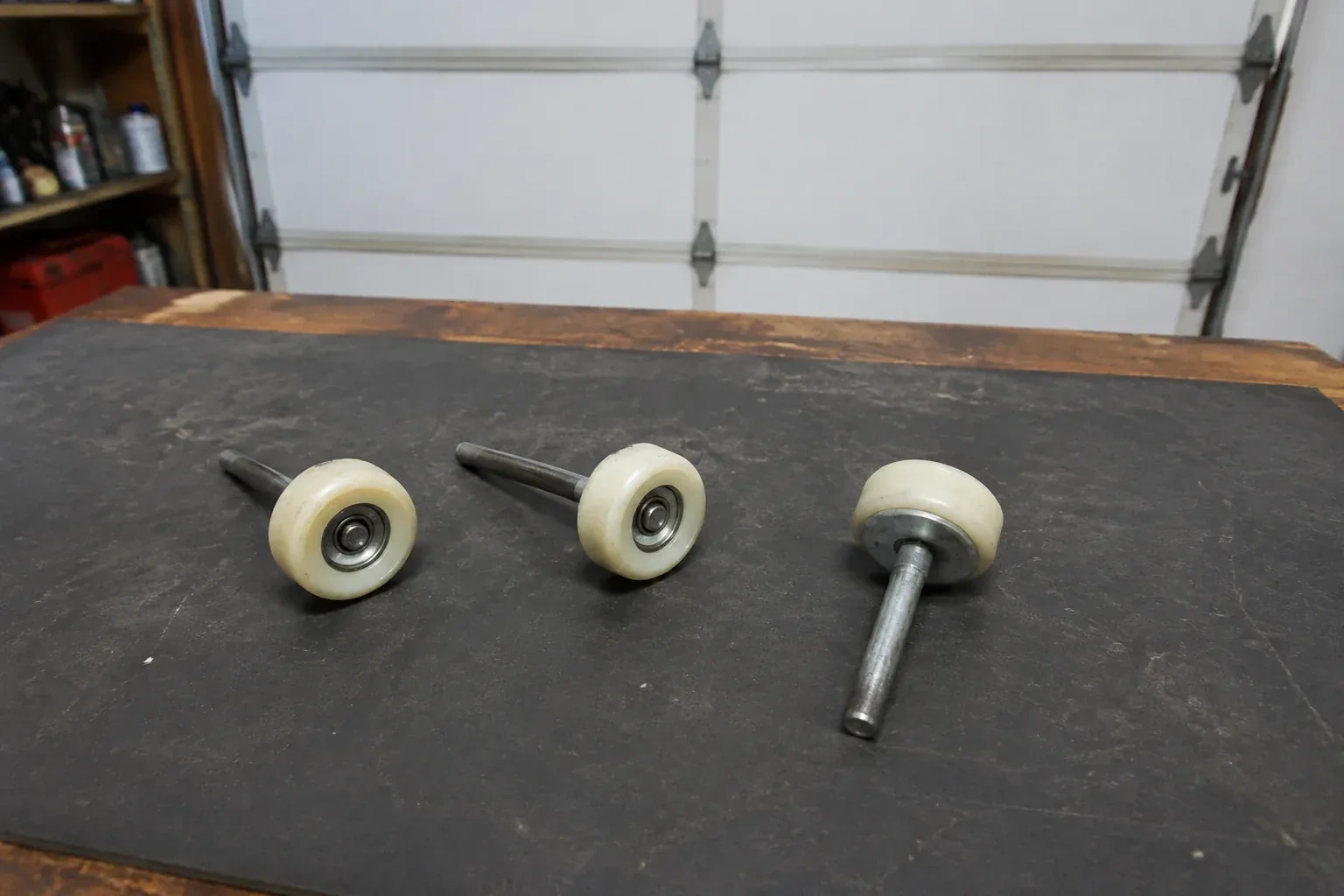
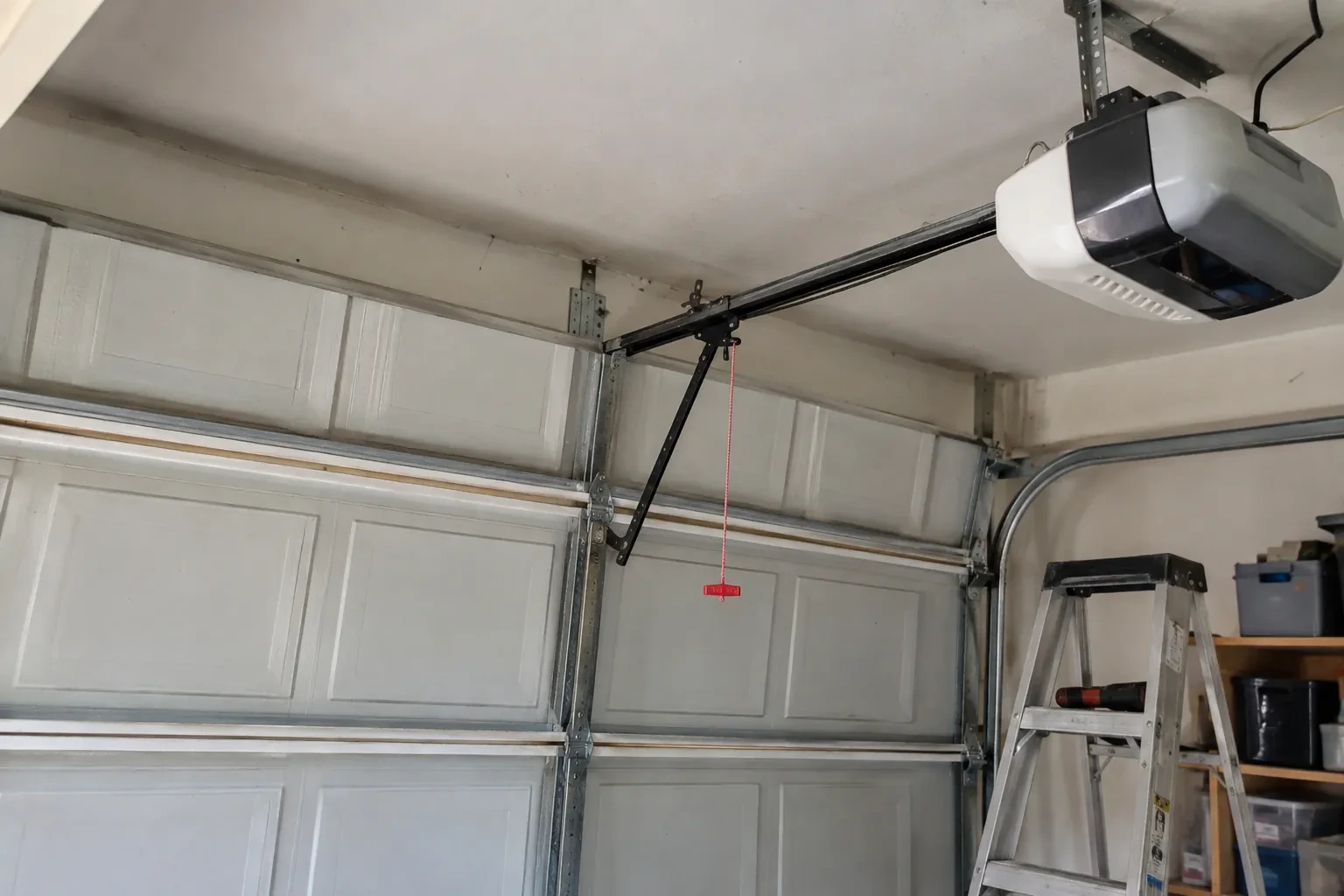
How the visit goesThe door is the one the builder installed and has never had a part changed. It works, but it clatters, the wheels are hard white plastic with no bearings in them, and the opener sounds like it is labouring more each season.
Garage Door Roller Replacement
How the visit goes
Every roller, one by one
Each roller is examined in place before anything is unbolted. The wheel is checked for flat spots, for chips and cracks in a nylon tire, or for a plastic wheel worn to an oval; the stem is checked for bends and for how much it wobbles in its hinge; the bearings are spun by hand for grit, roughness or the loose rattle of balls that have pitted their race. The technician also notes whether each wheel sits centred in the track or has been riding on one lip. Ten or twelve wheels take only minutes to read this way, and the pattern of wear across them tells the story of the door as a whole.
Fitting a matched set
The new rollers go in as one set of one type, with the same wheel material, stem length, bearing count and load rating at every position where the hinges allow it. Mixing a couple of new nylon wheels among old steel ones leaves the door running unevenly and sounding different from side to side, so even when only two wheels looked worn, the whole set is normally changed. Where a heavier door needs seven- or ten-inch stems at the double hinges, those positions get long-stem rollers and the single-hinge positions get standard ones, all from the same range so the wheels ride at the same height in the track.
Planning the next set
New ball-bearing nylon rollers on a residential door typically give seven to ten years of ordinary use before they are due again, and sealed-bearing types often longer, while a door that cycles many times a day wears everything sooner. A sensible rule is to have the rollers looked at whenever the door is serviced and to replace them as a set when the springs are next changed, since both wear on a similar timeline and the door is already secured for the work. Industry guidance suggests a professional look at the whole door once a year, with rollers on the list.
Garage Door Roller Replacement
In the van
Steel ball-bearing rollers
Adjustable top fixtures
Jamb bracket fasteners
Long-stem rollers for double hinges
1-1/2 inch reversal test block
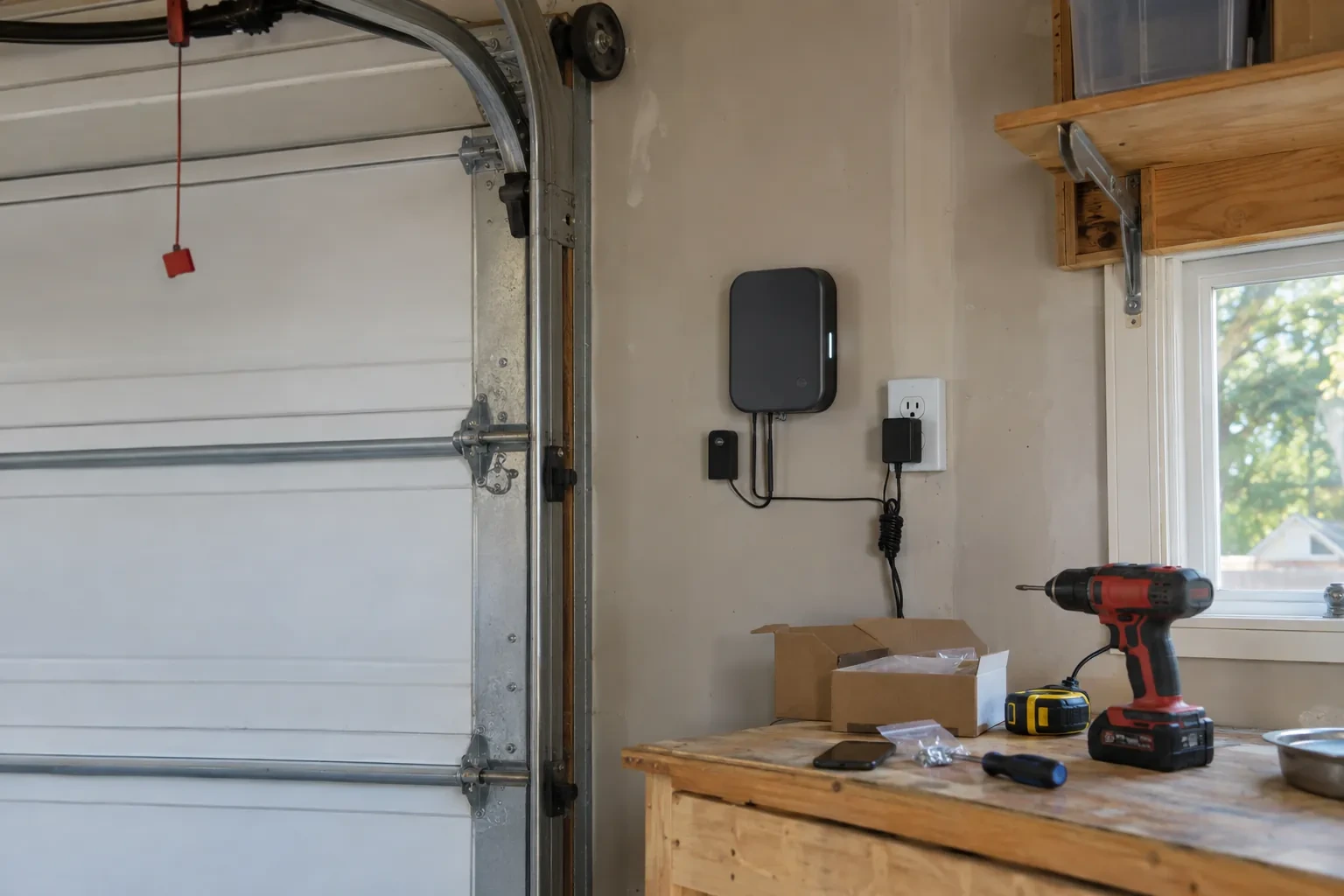
Garage Door Roller Replacement
What affects the quote
Hinges that need replacing
Cracked, elongated or rusted hinges found during the inspection are replaced with the correct numbered hinge, each priced as its own item alongside the rollers.
Relieving spring tension for the bottom rollers
When the bottom brackets have to be unbolted, the technician takes the spring load off first with winding bars, skilled extra work that is included in the figure for that position.
Combining with spring or cable work
If springs or cables are being replaced in the same visit, the door is secured once and the roller set is added to that job, which is often more economical than a separate call.
What to have ready
- How many sections does the door have, and is it wood, insulated steel or single-skin?
- Is the track the two-inch residential size or a wider commercial track?
- Are the wheels white plastic, bare steel, or a coloured nylon tire?
Garage Door Roller Replacement: questions
QuestionsMy door is heavy insulated steel. Which rollers suit it?
A heavier door needs rollers with a load rating to match, generally ball-bearing rollers rated around seventy-five to one hundred pounds each rather than the light plastic wheels many doors ship with. It often needs long-stem rollers at the double hinges on the end stiles, and the top rollers, which travel furthest under load, deserve the sturdiest in the set. Nylon with ten or more bearings suits most insulated residential doors; very heavy or commercial-weight doors may still call for steel.
What happens during the visit, and do I need to move the car?
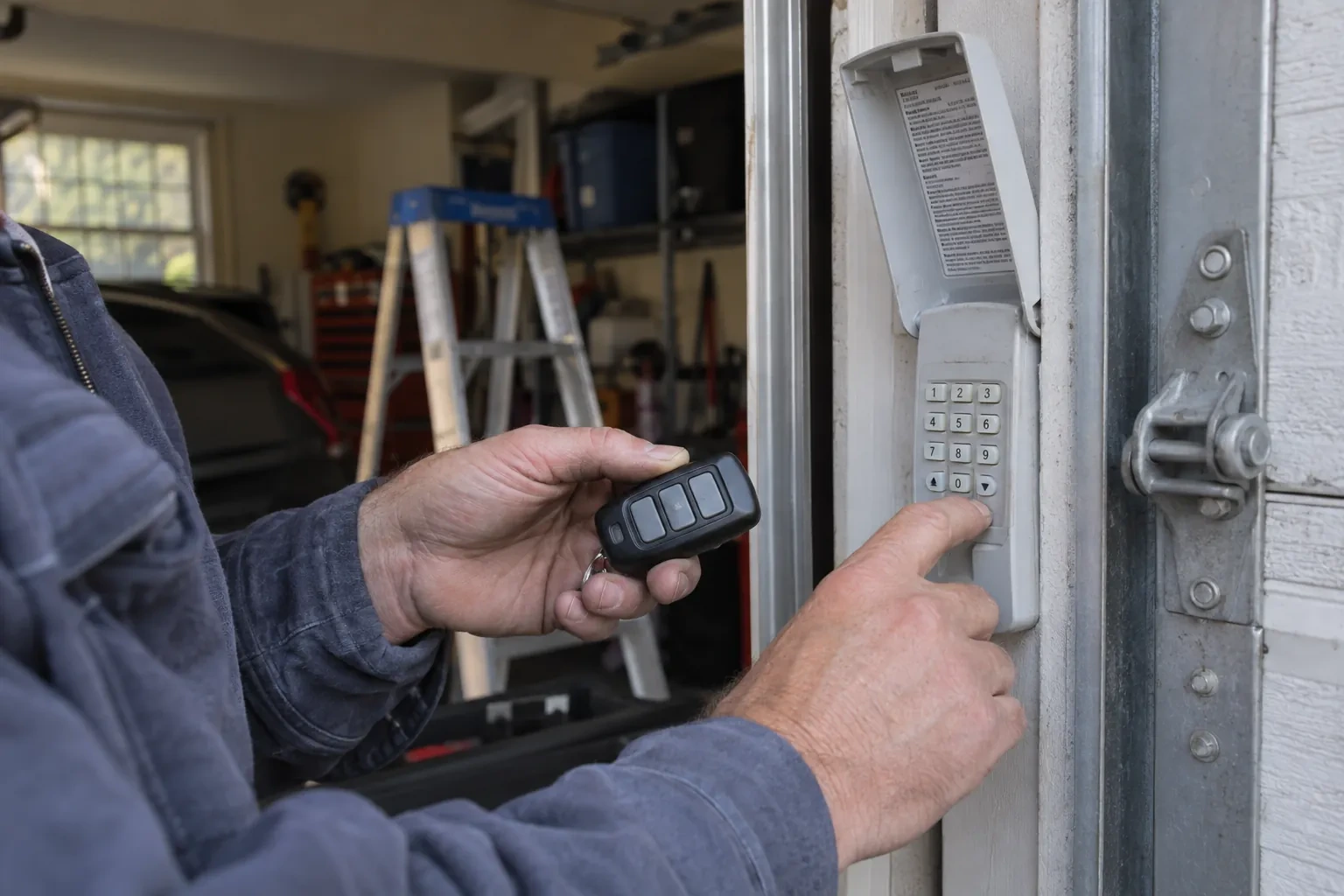
The technician needs clear access to both tracks from floor to ceiling, so moving vehicles out and shifting anything stored against the walls near the tracks helps. The visit itself runs in order: the door is watched in motion, every roller and its hardware is inspected, the door's balance is tested, the door is secured and the rollers are changed one position at a time, the track is cleaned and squared, moving parts are lubricated, and the door and opener are tested.
I lubricated everything and the grinding came back. Why?
Lubricant restores bearings and hinges that are still sound; it has nothing to offer a wheel worn oval, a nylon tire that has cracked, or bearings whose balls have pitted their race. When a spray settles the noise for a day or two and it returns, the wear is in the roller itself and replacement is the answer. Spray on the track or a plastic wheel can make matters worse by collecting grit, so the technician cleans that off as part of the job.
Related services
- Garage Door Track Repair or ReplacementAfter a decade of slushy winters the bottom foot of the track is flaking rust.
- Garage Door Cable ReplacementThere was a sharp crack from the garage, and when you went to look the door had dropped on one side and jammed.
- Torsion Spring ReplacementNothing broke outright, but the door has grown heavier each winter, opens more slowly and squeals as it moves.